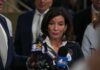


A recorded phone call claims James Talarico was discharged from an Ohio mental-health facility, colliding head-on with his on-record flu diagnosis and fueling a high-stakes credibility fight in a tight Senate race.
Story Highlights
- Talarico said on September 30 he had the flu and went virtual to avoid contact.
- Audio surfaced later claiming a facility employee said he was discharged from an Ohio clinic.
- He reappeared publicly at Austin City Limits and resumed campaigning.
- The claim remains unverified while partisans weaponize the gap in proof.
What Talarico Said And Did During The Absence
On September 30, Texas Senate candidate James Talarico told a virtual business forum that he had the flu. He said he felt sick for days, went to urgent care in Dallas, and had a fever. He explained he was most contagious, so he joined the event online instead of in person. News reports said his campaign moved or canceled appearances while he recovered. The campaign later said he would return to the trail after resting from the illness.
Coverage noted the time gap before his next in-person sighting. Reports varied on whether it spanned about nine to twelve days. The campaign did not release a doctor’s note, test result, or a detailed timeline. The lack of medical paperwork left the diagnosis based on his statement and a spokesperson’s comments. That gap created space for political attacks and rumors to grow around an already tense race.
The Disputed Audio And What It Actually Establishes
On October 11, outlets reported a recorded call in which a woman answering the Lindner Center of Hope’s phone allegedly said Talarico was discharged earlier that evening. The audio, posted by independent journalists, was offered as proof he spent part of his absence at an Ohio mental-health facility. The report itself admitted it lacked independent confirmation of the claim or the caller’s identity, leaving key facts unverified despite the allegation’s punch.
Advocacy and partisan sites amplified the recording’s claims and framed it as confirmation. Those stories did not add on-the-record confirmation from the facility or a named official. That made the audio a single thread tested against a privacy wall and federal health rules. Without clear verification, the tape became a political tool rather than established medical evidence. The reporting trail still hinges on an unnamed voice on a phone line.
Return To Public View And Ongoing Political Pressure
After days off the trail, Talarico reappeared in public at the Austin City Limits festival and spoke with voters. National and local outlets reported that he resumed campaign activity. His campaign said he had held over one hundred events before getting sick and would be back out meeting people. The return proved he was alive and well enough to engage, but it did not settle the dispute over where he was during the absence.
Texas Democratic Senate candidate James Talarico addresses his recent absence from the campaign trail, saying it was just a “nasty case of the flu.” https://t.co/8DQZfhqlWw
— NBC News (@NBCNews) October 12, 2026
Republicans seized on the gap and demanded “proof of life,” with high-profile figures echoing doubts about the flu story. The timing near early voting raised the stakes. Once a narrative hardens online, the facts can struggle to catch up. The pattern is familiar in modern campaigns: a health claim faces pressure for documents, while opponents push a scandal frame that travels faster than verification can.
Why This Fight Resonates Beyond One Candidate
This episode blends three forces that many voters distrust. Health privacy limits what campaigns can share without waivers. Partisan actors push attention-grabbing stories because they work. Online echo chambers turn a single audio clip into a torrent of claims. Scholars have long warned that scandal politics often run ahead of proof and feed cynicism about whether leaders are honest and institutions are fair.
The system often rewards speed and spectacle over clarity and care. That leaves citizens guessing and angry. People on the right see a media class that protects allies and hides the ball. People on the left see operatives stoking stigma around mental health to score points. Both feel the rules serve insiders first. That shared frustration is real, and episodes like this add to it when facts and proof arrive last.
What Would Resolve The Dispute
Three steps could close the gap. First, a narrow, patient-authorized confirmation from the Dallas urgent-care clinic could validate a flu diagnosis and date. Second, an on-record statement from the Lindner Center of Hope could deny or confirm any contact, within privacy rules. Third, the full, authenticated recording with metadata could be reviewed by an independent expert. Without these steps, the claim remains unverified and the doubt machine keeps running.
Until then, voters should focus on what is solid. Talarico publicly said he had the flu and avoided people while he felt contagious. He later appeared in public and returned to campaign events. The audio allegation exists but lacks independent confirmation. Those are the facts on the table today. In a government that too often dodges sunlight, clear records and named sources are the best cure for rumor-driven politics.
Sources:
townhall.com, nbcnews.com, cbsnews.com, justthenews.com, rvmnews.com, pjmedia.com, washingtonexaminer.com, abcnews.com