Russia freed American teacher Stephen Hubbard after President Trump publicly appealed to Vladimir Putin and sent a special envoy who confirmed the release on the ground.
Story Snapshot
- Trump said he asked Putin to free Hubbard; the release followed the next day.
- Special Envoy Steve Witkoff met Putin in St. Petersburg and confirmed Hubbard’s release.
- Russian state media and major outlets reported Putin announced the release during Witkoff’s visit.
- Reports described the release as not part of a prisoner swap, with no U.S. concession identified.
What Happened: A Detained American Is Heading Home
On October 21, Russian outlets and U.S. media reported that Stephen Hubbard, a retired American teacher held for years, had been released. The announcement came as U.S. Special Envoy Steve Witkoff met President Vladimir Putin in St. Petersburg. Witkoff confirmed that Hubbard was being freed and told Putin the decision meant Hubbard could reunite with his family. Coverage noted that Putin conveyed Hubbard’s status during the meeting, and that Hubbard was preparing to depart Russia.
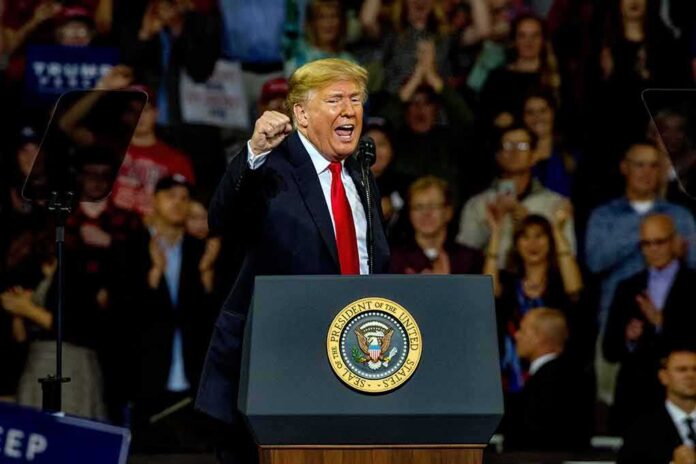
One day before the release, President Trump told reporters in the Oval Office that he had discussed Hubbard with Putin and asked for his release. Trump said he had been talking to Putin “at length” and wanted to bring Hubbard home. The timeline is clear: Trump’s remarks on October 20 were followed by news of Hubbard’s release on October 21 while Witkoff was on the ground in Russia.
How The Release Was Reported: Unilateral, Not A Swap
Major outlets described the release as unilateral. They did not identify any prisoner exchange, sanctions change, or other U.S. concession tied to Hubbard’s freedom. Russian state media framed the announcement as coming from Putin. U.S. reports echoed that framing and cited Witkoff’s confirmation from St. Petersburg. While terms were not detailed publicly, no exchanged detainee or U.S. trade-off was named in initial coverage.
Hubbard’s case already held a formal U.S. priority. Under the previous administration, the State Department designated him as “wrongfully detained.” That label triggers a whole-of-government approach and elevates the case for action. The designation set the foundation for continued efforts and made Hubbard’s situation a standing agenda item for U.S. officials when engaging Moscow.
Why It Matters: Hostage Diplomacy And U.S. Leverage
Russia’s handling of detained Americans fits what experts call “hostage diplomacy.” Governments use legal systems to hold foreigners for leverage, then weigh release when it suits larger goals. In this space, outcomes often reflect many pressures at once: personal appeals, private talks, and strategic choices. The fast sequence here—public ask, high-level meeting, and release—shows how access, speed, and focus can move a case to closure.
BREAKING: TRUMP ANNOUNCES RUSSIA HAS RELEASED AMERICAN STEPHEN HUBBARD — NO PRISONER SWAP REQUIRED
President Trump announced that Russia has released Stephen Hubbard, a 74-year-old retired teacher from Michigan who was detained in eastern Ukraine in April 2022. Trump says he… pic.twitter.com/UTzsaKgPYI
— Sergeant News Network (@sgtnewsnetwork) October 21, 2026
This event will spark a credit debate in Washington, but the practical stakes are larger. Families want their loved ones home fast, without hidden trade-offs that invite more seizures. Voters across the spectrum worry that powerful players cut opaque deals while regular people pay the price. Bringing an American home without a known swap looks like a win. The open question for U.S. strategy is how to make wins like this repeatable without rewarding state hostage-taking.
Sources:
facebook.com, abc7.com, edition.cnn.com, nytimes.com, bostonglobe.com, cnn.com, cbsnews.com, themoscowtimes.com, hawaiipublicradio.org, foxnews.com