
Four bodies recovered from flood-swollen streams in Ensenada show how one night of storm rain can turn everyday routes into deadly traps.
Story Snapshot
- Officials reported four bodies recovered after Storm Rachel’s rains swelled arroyos in Ensenada.
- Victims included a 13-year-old girl and a 4-year-old boy, according to state and civil protection sources.
- Recoveries occurred near La Bufadora and the Maneadero area, including arroyo El Pípila.
- Early tallies shifted as crews moved from rescues to recovery and identification.
Confirmed Recoveries Linked to Rachel’s Flooding
State and local officials in Baja California said four bodies were recovered in or near Ensenada after heavy rains from Tropical Storm Rachel swelled local streams and arroyos. Baja California Civil Protection Coordinator Ignacio Lozoya reported the recoveries, which included a 13-year-old girl found Sunday and three more victims found Monday: two women and a 4-year-old boy. The state prosecutor’s office also tied the deaths to flooding from the storm system that moved through over the weekend.
Reports described where the bodies were found, linking them to fast-rising waterways rather than isolated incidents. The 13-year-old girl was recovered from vegetation in an arroyo near kilometer 4 on the road to La Bufadora, a tourist route south of Ensenada. Three additional victims were reported in the Maneadero area, including near arroyo El Pípila, where sudden surges can trap people in low spots and under bridges when rain bands stall over coastal hills.
How Heavy Rain Turned Arroyos Into Killers
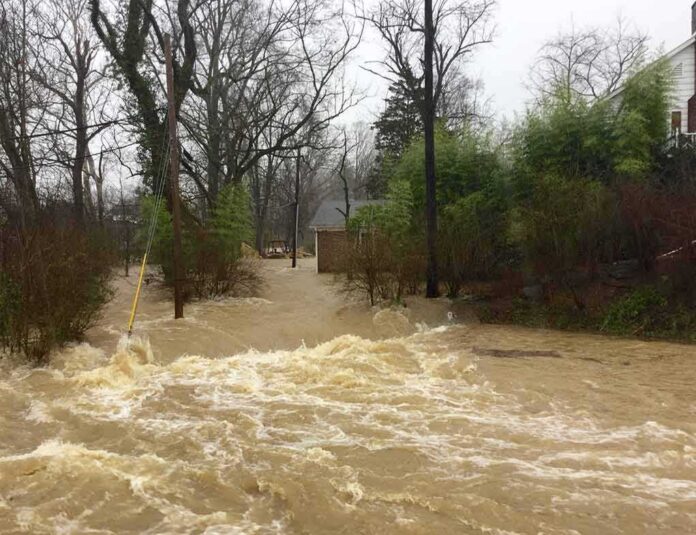
Storm Rachel drenched northern Baja California, filling dry channels and pushing water into urban low points. Arroyos that sit quiet most of the year became fast, cold torrents within minutes. Local media, citing state agencies, said flooding swept people away as the storm’s rain bands passed. Emergency crews then shifted from high-water rescues to search and recovery once currents dropped, allowing access to debris-choked banks and culverts where victims were later found.
Officials and outlets gave similar sequences: intense rain, rising arroyos, people swept away, and later recovery of bodies as water levels fell. The Associated Press summary, carried by regional outlets, echoed that account and cited Baja California authorities for the Ensenada deaths. That reporting placed the four local fatalities within a broader toll from Rachel and nearby Pacific systems that soaked parts of Mexico over several days.
Why The Numbers Changed During The Response
Early counts varied as teams took calls, logged missing people, and confirmed identities. Some reports first noted one death and multiple missing, others cited two deaths and more than ten missing, and later updates reported three and then four bodies recovered. That shift tracks normal disaster practice, where responders begin with rescue and unconfirmed alerts, then move to confirmed recoveries and identification as access improves and duplicate reports are cleared.
Baja California’s prosecutor and civil protection agencies were named in reports as the sources for the updated figures. Outlets documented when each new number came in and which official provided it. That paper trail supports confidence in the final count of four bodies recovered in Ensenada linked to Rachel’s flooding, even if individual timelines differed by several hours across publications as the situation evolved.
Local Geography And Risk Made Outcomes Worse
Ensenada’s south side mixes fast-growing neighborhoods with narrow flood channels. Maneadero and the road to La Bufadora sit between hills and the Pacific, where short, steep watersheds feed arroyos that rise quickly. When heavy rain hits paved areas and dry soils, runoff races into channels and bridges, creating hidden traps at night. Families trying to cross a road dip or footbridge can be caught by a surge that looks shallow but holds strong force and debris that knock people off their feet.
Researchers who study flood risk in northern Mexico have long warned about flash flooding in urban watersheds with limited drainage and rapid growth. While each event is unique, the pattern is familiar: brief, intense rain, sudden rises in arroyos, and danger at low crossings. Rachel’s impacts in Ensenada match that risk profile. The lesson is simple but hard to put into practice in the dark: avoid dips, bridges, and arroyo paths during and after heavy rain until crews declare them safe.
What Comes Next For Families And Officials
Prosecutors will complete identifications and confirm cause and manner of death, while civil protection teams assess where warnings, closures, and barriers worked and where they failed. Local leaders will face pressure to post clearer flood signage, add barriers at known danger points, and improve alert systems that reach drivers and pedestrians fast. Families will look for answers and help with costs. Clear updates and steady support can ease that burden in the days ahead.
Sources:
atlas-news.com, eldiariodechihuahua.mx, jornada.com.mx, amexi.com.mx