
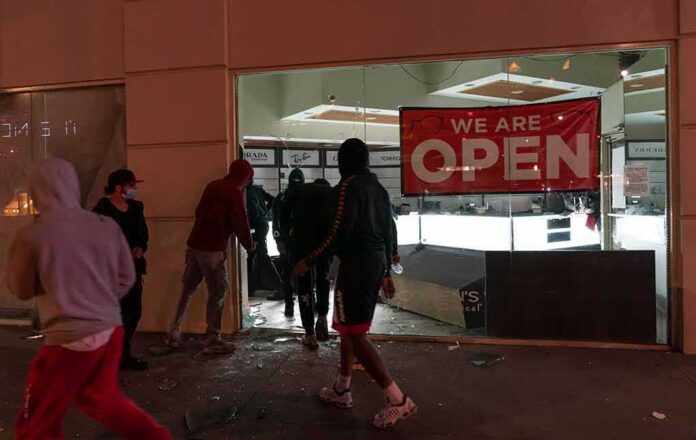
Hooded rioters looted stores and hurled firebombs in central Frankfurt after a youth-led protest spiraled into street violence on Halloween night.
Story Highlights
- At least two Frankfurt stores were looted and several more damaged, Reuters reported.
- Frankfurt police reported smashed windows, ongoing unrest, and Molotov cocktails thrown at responders.
- Germany’s interior minister called for tough penalties after the overnight rampage.
- Police sealed off Frankfurt’s main shopping street to regain control.
What Happened In Frankfurt
Reuters reported that at least two stores in Frankfurt were looted as protests linked to the Gen Z regelt campaign turned violent late on October 31, 2026. A Reuters witness described several more shops with broken windows and damage as police tried to restore order. The crowds formed after nationwide demonstrations over education funding and living costs. In Frankfurt, a masked group broke away and targeted shops. Police moved to contain the chaos as night fell.
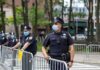
Frankfurt police posted that violent disturbances continued in the city center, saying shop windows were smashed and Molotov cocktails were thrown at emergency services. Local coverage said officers closed access to the Zeil, Frankfurt’s main shopping street, to stop further looting and assaults on police. These steps aimed to limit injuries and keep damage from spreading. Water cannons were used in some cities as officers pushed rioters back from the most at-risk blocks.
How Officials Responded
Germany’s interior minister praised the heavy police presence for blocking wider unrest but called for tough penalties for those who looted and attacked officers, according to Reuters reporting cited by Bild. That stance reflects a common pattern after disorder: rapid condemnation of violence, support for police, and promises of accountability. Authorities framed the looters as a smaller group that hijacked a large protest. The focus now moves to arrests, charges, and damage assessments in coming days.
Deutsche Welle reported that officers sealed off parts of central Frankfurt to regain control and direct bystanders out of hot zones. Steps like perimeter control and street closures are standard in large disturbances. They reduce the chance of copycat break-ins and help first responders reach fires or injuries faster. Police communications urged people not involved to leave the area. That message tried to separate peaceful attendees from opportunistic offenders.
Why This Moment Matters
The protests drew tens of thousands across Germany over education cuts and the rising cost of living, but the violence in Frankfurt risks drowning out those demands. Research on protest coverage shows that media often shifts attention to conflict and blame once violence occurs, which can harden opinions and lower public support for reform. That dynamic feeds a broader mood many Americans know well: people feel unheard while chaos, not solutions, gets the spotlight.
🚨 Footage of rioters smashing the window of a Gun Shop and attempting to loot it in Frankfurt, 🇩🇪 Germany, after a Gen Z protest turned violent on Oct 31. Police seized two weapons and made multiple arrests amid window-smashing, looting of other stores, and #Molotov Cocktails… pic.twitter.com/kCCLOALQ5c
— aal (@aaldillah) November 1, 2026
Historical data suggests looting is not the typical outcome of protests, even if it is a real risk during unrest. A review of over four thousand disturbances in the late 1960s United States found looting in a small share of events, showing violence is not inevitable when people gather to speak out. Still, once windows break, damage can spread fast. Social science points to wave-like copying in crowds rather than central planning inside most looted stores.
What To Watch Next
Police investigations will try to identify those who looted and attacked first responders. Officials will face pressure to show swift charges while keeping the right to protest intact. Organizers will likely stress that most marchers were peaceful and that violent actors were a separate group. The policy debate that fueled the marches—costs, education, and social services—will continue. Whether leaders address those core issues may shape if future rallies stay calm or risk new flashpoints.
Sources:
youtube.com, reuters.com, rmb.reuters.com, dw.com, internazionale.it, uk.news.yahoo.com, straitstimes.com, tandfonline.com, ijoc.org