
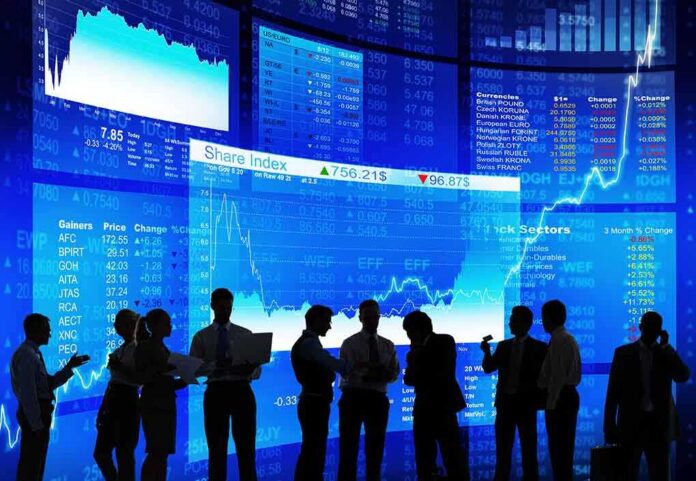
New York City’s mayor warned that a single tech leader’s personal turmoil briefly rattled markets tied to millions of workers’ retirements, exposing how much the economy leans on artificial intelligence stocks.
Story Snapshot
- The mayor said markets are “disproportionately dependent” on artificial intelligence stocks.
- He argued one executive’s personal life should not sway public pensions.
- Reports described Nvidia share swings around Jensen Huang’s departure and return.
- Huang has said artificial intelligence can fuel jobs and growth over time.
Mayor’s Warning About Market Dependence On Artificial Intelligence
Mayor Zohran Mamdani said the United States stock market is leaning too much on artificial intelligence companies. He linked that dependence to risks for everyday savers and city workers. He cited the recent leadership drama around Nvidia’s Jensen Huang as a sign of fragile concentration. He argued that workers did not agree to have their pensions moved by one executive’s private life. He said this setup weakens trust in the economy’s basic strength.
Reports described choppy trading in Nvidia shares surrounding Huang’s brief exit and reported return to the chief executive role. The episode became a talking point for the mayor’s claim that a single company holds outsized sway over retirement portfolios and indexes. Advocacy groups also called for Congress to review Nvidia’s governance and market power after the reinstatement, reflecting broader concern about concentration in artificial intelligence infrastructure.
Democratic Accountability, Wealth Concentration, And Pensions
Mamdani quoted Justice Louis Brandeis to frame his case: democratic health declines when wealth pools at the very top. He said artificial intelligence profits and power now cluster in a small set of firms and leaders. He warned that this can turn public policy into a tug-of-war among elites. He pointed to public pensions as concrete stakeholders that feel market lurches first. He urged greater distance between retirements and the fates of a few tech giants.
The mayor tied this argument to how workers experience risk in real time. He said a short burst of headlines about one executive moved billions in market value. He argued that is not a fair way to run retirement security for teachers, firefighters, and city staff. However, the available reports do not include pension portfolio data, specific loss figures, or trustee statements to verify direct impacts on benefits. That gap leaves the size of exposure unclear.
What The Other Side Says About Artificial Intelligence Growth
Nvidia’s Jensen Huang has made the opposite case in public forums. He said artificial intelligence is already creating many jobs and could drive several trillion dollars of new factories and equipment. He said each dollar in key parts of the artificial intelligence “stack” can unlock far larger gains across the economy. He framed artificial intelligence as a base technology that will raise output as useful tools and services get built on top.
Industry voices also argue that market power can shift as the technology matures. Some analysts expect spending to spread toward software and private artificial intelligence models run by banks, insurers, and automakers. That view holds that diversification and time can lower today’s hardware concentration. If that happens, retirement portfolios could become less exposed to any one firm. The mayor’s core concern would still matter, but the pathway to risk might change.
What We Know, What We Do Not, And Why It Matters
We know the mayor raised a real-world event to question market concentration. We know reports tied Nvidia’s leadership shifts to sharp, short-term price moves. We also know Huang and others forecast large growth, jobs, and tax revenue if artificial intelligence spreads across industries. What we do not have yet are audited numbers on public pension holdings or measured losses from that week. That missing data limits firm conclusions about pension harm.
Across politics, many Americans feel the system serves insiders first. This story taps that concern. People on the right see risk in overhyped tech and cozy ties with Washington. People on the left see risk in corporate power steering markets and policy. Both sides want retirements protected from avoidable shocks. The next step is simple and concrete: full pension disclosure on artificial intelligence exposure and stress tests for concentrated tech declines. Sunlight would help everyone judge the risk.
Sources:
youtube.com, commondreams.org, politico.com, economictimes.indiatimes.com, lavocedinewyork.com, news.meaww.com, epoch.ai, global.morningstar.com, thenation.com