A House committee has issued subpoenas that revive public scrutiny of past plea-deal handling and institutional responsibility in the Epstein affair.
At a Glance
- A congressional oversight panel subpoenaed two prominent former officials over their potential connections to Epstein’s case
- The subpoenas aim to examine how plea arrangements in sex-trafficking matters were executed
- The timing indicates renewed interest in systemic transparency following prior legal opacity
- The request sends clear signals to institutions about external accountability
- The action may lead to hearings exploring reform of federal plea protocols
Institutional Dimension
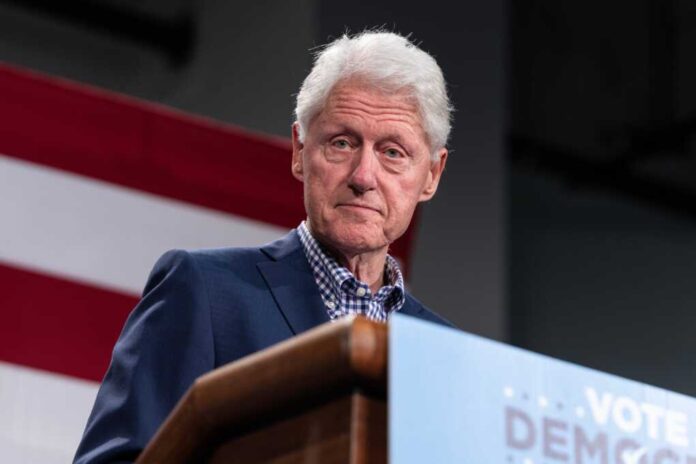
In mid-August 2025, the House Oversight Committee served subpoenas on a former U.S. President and another senior figure connected to previous Epstein-related proceedings. This step reflects growing congressional demand for clarity on how high-profile plea deals were negotiated and approved.
Watch now: House committee subpoenas Clintons and former DOJ officials for testimony on Epstein · YouTube
The action underscores the continuing relevance of Epstein’s case for public confidence in prosecutorial equity and institutional impartiality, especially amid concerns that elite networks may skew legal outcomes.
Investigative Mandate
The subpoenas concentrate on dissecting plea-deal processes, including decision-making protocols at Justice Department and supervisory levels. The inquiry could spotlight whether special treatment occurred around plea arrangements given Epstein’s connections, and whether standard prosecutorial checks were bypassed.
Implications for Reform
This move may catalyze legislative or policy proposals aimed at reinforcing transparency in plea negotiations, especially in sex-trafficking prosecutions. It reinforces the notion that institutions remain subject to scrutiny, even years after highly charged cases conclude.
Sources