
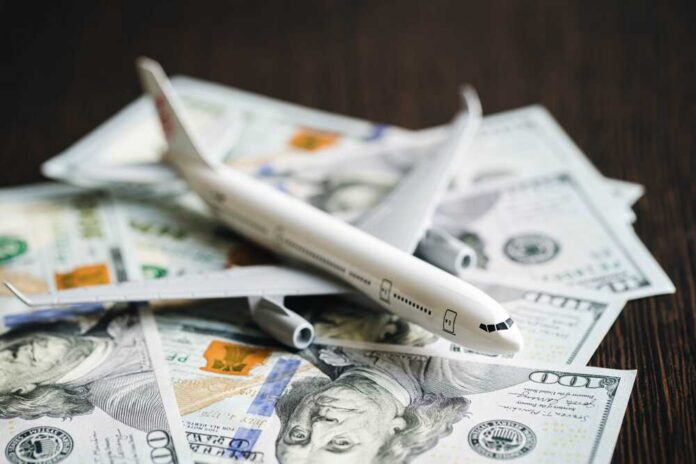
A Middle East fuel shock is poised to hit American families right where it hurts—at the airline checkout screen.
Quick Take
- Reports tied to late-February 2026 Middle East escalation point to a sharp jump in jet fuel costs, a major driver of airfare increases.
- U.S. airfare trends look mixed: recent U.S. price indexes show increases, while some travel-search data still shows year-over-year drops on certain routes.
- Analysts warn airlines are already testing fare hikes and surcharges, with premium cabins and long-haul international routes most exposed.
- Limited aircraft supply and ongoing consolidation give major carriers more pricing power, reducing the pressure to keep fares low.
Fuel Prices Are the Fastest Path to Higher Fares
Reports circulating in early March linked airfare anxiety to a fast-moving jump in jet fuel after the February 28, 2026 escalation involving the U.S. and Israel against Iran. One account cited jet fuel rising from about $2.50 per gallon in late February to roughly $3.95, a surge that airlines historically try to recover through higher ticket prices or added surcharges. Because fuel is a major airline cost, even short spikes can show up quickly in fares.
Henry Harteveldt of Atmosphere Research Group reportedly described airlines raising fares week by week while trying to find a “sweet spot” that covers costs without crushing demand. The practical takeaway for travelers is that fare hikes often arrive unevenly: popular travel days, nonstop routes, and long-haul flights can climb first, while less-crowded schedules may lag. That creates the appearance of “random” pricing, even when the underlying driver is fuel volatility.
Why “Soaring Airfares” Can Be True—Even When Some Prices Fall
Travel platforms tracking searches have described a split picture: some domestic fares showing year-over-year declines and some international pricing appearing lower in aggregate, even as peak-season interest rises. At the same time, U.S. inflation-index data has shown airfares ticking up year over year as of January 2026, with a notable month-to-month jump as well. These can all be true at once because averages hide route-level spikes and seasonal surges.
Consumers feel the pain when increases concentrate on the exact trips families actually take—summer departures, school-break windows, and major hub-to-hub routes. When seat supply is tight on those corridors, airlines can raise prices without losing many bookings. When demand shifts to less common cities or off-peak dates, deals can still appear, which helps explain why shoppers see both “cheaper flights” headlines and “tickets about to get much more expensive” warnings in the same week.
Consolidation and Limited Capacity Tilt the Market Toward Airlines
Longer-term pressures matter because fuel shocks don’t hit a neutral playing field. Multiple industry summaries have emphasized aircraft delivery delays and maintenance backlogs that constrain capacity growth. When airlines cannot easily add more seats, they rely more on price to balance demand. Consolidation reducing competition on certain routes, which can increase airlines’ ability to hold the line on higher fares rather than quickly discounting to fill planes.
Corporate travel dynamics reinforce that trend. Industry reporting has described business-travel spending rising and premium fares on key routes reaching extreme levels, with some business-class prices topping five figures. When airlines can sell a smaller number of high-margin seats, the incentive to protect premium revenue grows. That typically pushes carriers to raise prices first in business and first class, then let the ripple effect roll into main cabin pricing as load factors rise.
How Airlines Are Pricing in 2026: More Segments, More Fees, Less Transparency
Airlines leaning harder on dynamic pricing, segmentation, and ancillary fees—charging more for preferred seats, bags, or flexibility. Southwest’s move toward more tiered options has been highlighted as part of an industry-wide push to capture business travelers while still offering a lower “entry” price point. For families, that can mean the headline fare looks manageable until basic add-ons turn it into a materially higher total.
For conservative Americans already tired of years of Washington-driven chaos and cost-of-living pressure, the concern is straightforward: when global conflict jolts energy markets, everyday citizens pay first. The available data does not support a single verified “plane tickets to soar” headline, but it does support a credible risk of sharp, route-specific increases—especially international—if fuel remains elevated and capacity stays constrained. The smartest planning now is flexibility: consider alternative airports, midweek departures, and fewer add-ons.
Sources:
https://www.nerdwallet.com/travel/learn/travel-price-tracker
https://www.mensjournal.com/travel/plane-tickets-are-about-to-get-much-more-expensive
https://www.afar.com/magazine/will-airfare-prices-increase-in-2026-what-experts-predict
https://www.oag.com/blog/-air-travel-trends-that-will-shape-2026