
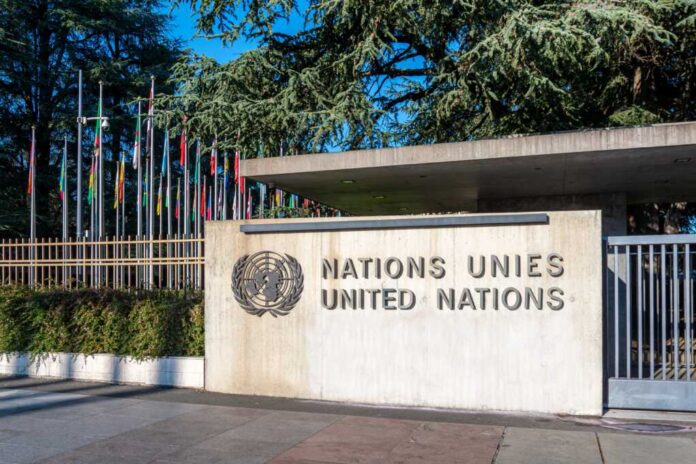
On January 1, 2026, Somalia assumed the rotating presidency of the United Nations Security Council (UNSC), a significant diplomatic milestone marking its first presidency in over 50 years. This month-long role offers the country a unique platform to lead the 15-member body, setting the agenda and advocating for crucial African security priorities, including counterterrorism and peacekeeping, amidst heightened global tensions. This re-emergence from decades of conflict positions Somalia as a key agenda-setter on the world stage.
Story Highlights
- Somalia assumed the rotating presidency of the United Nations Security Council on January 1, 2026.
- This marks Somalia’s first presidency in over 50 years, symbolizing its diplomatic progress.
- Somalia aims to advocate for African security issues like counterterrorism and peacekeeping.
- The presidency highlights Somalia’s emerging global credibility despite domestic challenges.
Somalia Takes the Helm at the UN Security Council
On January 1, 2026, Somalia assumed the rotating presidency of the United Nations Security Council (UNSC), marking a significant diplomatic milestone. This presidency allows Somalia to lead the 15-member body for one month, overseeing the agenda, chairing meetings, and facilitating debates on global security issues. The role comes amid heightened geopolitical tensions, offering Somalia an opportunity to advocate for African security priorities such as counterterrorism and peacekeeping.
Somalia’s presidency is its first since a brief term in the early 1970s, which was cut short by civil war. This new role is seen as a symbol of Somalia’s re-emergence from decades of conflict, state collapse, and isolation. The country has been making strides in state-building and political stability, despite ongoing issues like the insurgency by Al-Shabaab and internal political fragmentation. This presidency positions Somalia as an agenda-setter, rather than a perennial subject of scrutiny by the Council.
Somalia assumes the rotating presidency of the UN Security Council starting Jan 1, underscoring its global standing & commitment to the UN Charter. During its tenure, it will guide the Council’s work & advocate for multilateral diplomacy & peaceful solutions to global challenges. pic.twitter.com/s8c5qGnNQc
— Daud Aweis (@DaudAweis) January 1, 2026
Challenges and Opportunities
The UN Security Council faces divisions among its major powers, especially amid ongoing global crises. Somalia brings a unique perspective from the Horn of Africa, emphasizing multilateralism and African priorities. However, the country must navigate complex power dynamics, including opposition from permanent members like the US, UK, France, Russia, and China, who hold veto power. Somalia’s domestic tensions and the Al-Shabaab insurgency also pose challenges to its influence and authority.
Somalia’s previous advocacy for reviewing sanctions on Al-Shabaab based on ground realities indicates its intent to leverage its presidency for regional issues. This month-long leadership could bolster Somalia’s international profile and reinforce its commitment to multilateral diplomacy, provided it manages the delicate balance of global and domestic expectations effectively.
Impact and Prospects
The short-term implications of Somalia’s presidency include chairing debates and shaping resolutions on conflicts and peacekeeping. In the long term, this role could symbolize Somalia’s rehabilitation and enhance African representation in the UNSC, potentially leading to sustained influence if navigated well. The Somali government gains a platform for advocacy, while African states may benefit from its leadership. However, political opponents and insurgents might exploit the increased visibility for their agendas.
Economically, the presidency could indirectly influence funding for missions like the African Union Support and Stabilization Mission in Somalia. Politically, it enhances Mogadishu’s stature on the global stage, countering the narrative of crisis and instability. Socially, it promotes a narrative of state-building despite ongoing insurgency challenges.
Watch the report: Somalia Assumes Presidency of UN Security Council for January
Sources:
- Somalia assumes rotating presidency of U.N. Security Council in diplomatic milestone – Hiiraan Online
- Somalia assumes UN Security Council presidency for January | Shabelle Media Network
- Somalia takes UN Security Council presidency – Somali News today Live