A dramatically weak July jobs report collided with widespread downward revisions to earlier months and mounting tariff-related inflation fears, forcing the Federal Reserve to weigh urgent rate cuts to avert broader slowdown.
At a Glance
- U.S. nonfarm payrolls rose by just 73,000 in July, far below expectations of ~100,000
- May and June were revised downward by a combined 258,000 jobs
- Unemployment rose to 4.2%, labor force participation declined
- Two Fed governors dissented, arguing rate cuts are needed now
- Markets sharply increased probability of a September Fed rate cut
Labor Market Breakdown
In July, the U.S. economy added only 73,000 jobs—well under consensus forecasts of around 109,000. Combined with revisions, May and June were found to be dramatically overstated, reducing job totals by 258,000 in aggregate. Unemployment rose to 4.2%, while labor force participation slipped for a third straight month, signaling deepening labor market fragility.
Sectoral shifts align with political-economic trends: the private sector added roughly 85,000 jobs, while government employment dropped by 12,000 amid mass federal layoffs and “America First” staffing policies. Healthcare and social assistance saw modest gains, but these were overshadowed by broader employment softness. Construction and manufacturing numbers were especially sluggish, revealing sensitivity to rising materials costs and foreign supply disruptions.
Watch now: Fed Rate Cut Chances Rising🚀September Incoming · YouTube
Fed’s Policy Showdown
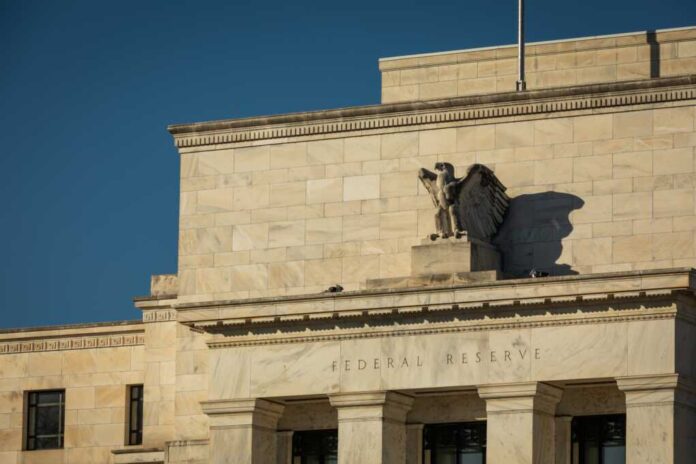
At its July meeting, the Federal Reserve held interest rates steady in the 4.25–4.50% range, citing elevated inflation and ongoing tariff-driven uncertainty. However, two sitting governors—Michelle Bowman and Christopher Waller—formally dissented, calling for immediate cuts to head off labor market deterioration.
San Francisco Fed President Mary Daly labeled it “reasonable” to expect two rate cuts before year-end, adding that the Fed must “remain nimble” in the face of softening job creation. Traders responded quickly: rate cut odds for September jumped from below 40% to above 80% within 24 hours, according to CME futures data. Bond yields tumbled, while the dollar dipped against major currencies.
Economic Fallout & Outlook
Equities slid on the news, with the Nasdaq down 2.2%, the S&P 500 off 1.6%, and the Dow shedding 1.2%. Safe havens rallied: gold rose 1.7%, and the 10-year Treasury yield sank below 3.5% for the first time since May. Investors increasingly believe the Fed will be forced into dovish action, even if inflation remains slightly above its 2% target.
The employment slump complicates the Fed’s twin mandate. Core inflation remains sticky—tariffs have pushed consumer prices for goods like autos and electronics higher—but slowing job creation introduces recessionary pressure. Politically, Fed Chair Jerome Powell faces increasing scrutiny, as President Trump openly criticizes the central bank’s restraint and continues to advocate for aggressive monetary easing.
What Comes Next
The Federal Reserve meets again in six weeks, and analysts predict a 25-basis-point cut is now likely. Whether this marks the start of a broader easing cycle or a single corrective move remains unclear. Market volatility is expected to persist as traders assess evolving labor and inflation data.
Internally, the Fed must manage ideological divides and mounting pressure from both the White House and Wall Street. Externally, economic softness could bleed into consumer confidence and corporate hiring plans, turning a brief stall into a more protracted downturn. With the 2026 election cycle approaching, the economic narrative may shift dramatically—and soon.