

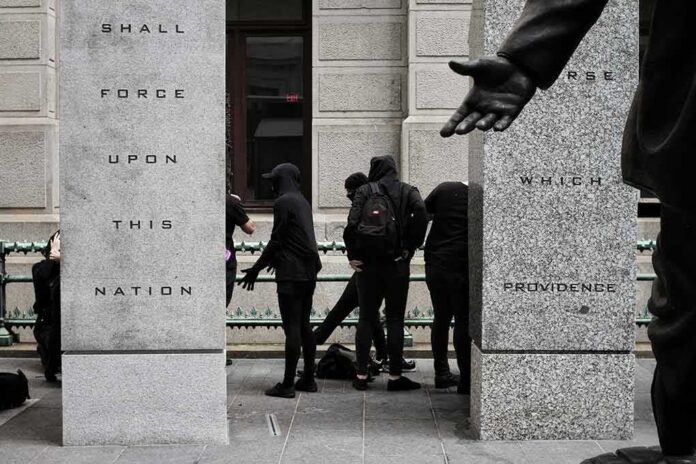
Looters hit high-end shops and masked groups stormed Marseille’s City Hall as police fired tear gas during nationwide French protests.
Story Snapshot
- Reporters saw dozens of Marseille shops looted, including a luxury boutique.
- Masked protesters forced into City Hall and damaged property inside.
- Police used tear gas as clashes spread in Marseille streets.
- Officials condemned vandalism and pledged prosecutions for looting.
What Happened In Marseille
Agence France-Presse reporters on the ground described widespread looting in central Marseille during the October 17 protests, including a Hermes boutique among the targets. The scenes unfolded alongside larger nationwide demonstrations that drew crowds in many cities. Witness accounts and photos showed broken windows, ransacked interiors, and debris in front of shops. Police units moved to block further break-ins. Street fires and scattered clashes added to a tense atmosphere as night fell across parts of the city.
Journalists and local officials confirmed a breach at Marseille City Hall. Reports said masked protesters pried open the main doors using street barriers. Furniture was overturned, a bust of Marianne was damaged, and graffiti appeared on interior walls before police cleared the building. Mayor Benoît Payan condemned the acts, calling them unacceptable and separate from the broader march, and said the damage was limited compared with what could have occurred. City workers began cleanup efforts early the next morning.
Police Response And Official Statements
The French Interior Ministry reported attempted looting, attacks on police, and arson in several cities. In Marseille, police fired tear gas during clashes with small groups that broke off from larger marches. National leaders urged order. President Emmanuel Macron stated there was “no place for violence” and said people responsible for vandalism and looting would face prosecution under French law. Local reports also noted damage to a police facility in the city during the unrest, compounding public safety concerns.
Arrests mounted across France as the night wore on, though national numbers shifted as police processed cases and cleared streets. Media tallies varied as updates came in from city to city, reflecting the fast pace of events. Officials blamed a mix of masked agitators and criminal opportunists for the worst incidents. Early accounts emphasized that most demonstrators marched peacefully, while a smaller share engaged in property damage and theft amid the confusion.
Why It Matters Beyond One Night
The Marseille unrest echoes a long pattern in France where large protests sometimes give way to smaller pockets of violence. Academic reviews note that urban clashes have recurred since the 1970s and can spark national debates about policing, social exclusion, and the line between protest and crime. The 2005 riots, which burned thousands of vehicles and hit hundreds of neighborhoods, still shape how leaders respond today. That history helps explain fast deployments, strong statements, and rapid legal action.
There is a clear right and wrong in the protests in France.
Hundreds of thousands of people took to the streets because the cost of living is too high — that is understandable. But a small group exploited the situation to smash the doors of Marseille City Hall, storm inside and… pic.twitter.com/Zl8SkIl35o
— Daniel.XRP (@danielng771) October 18, 2026
For Americans watching from afar, the lesson is familiar. When trust breaks down, people feel unheard, and a few bad actors can hijack a bigger cause. Citizens on the right and left both worry that institutions protect the powerful first and small businesses last. Looted storefronts and damaged public offices hit workers and taxpayers, not elites. Clear rules, equal enforcement, and transparent accountability are the basics people expect from any government, in Marseille or here at home.
Sources:
youtube.com, bbc.co.uk, fakti.bg, afp.com, ground.news, aol.com