Former President Donald Trump’s directive to prepare military options against Mexican drug cartels has escalated U.S.–Mexico tensions, with Mexico refusing to allow American troops on its soil while extraditions of cartel leaders continue.
At a Glance
- Trump signed a directive authorizing the Pentagon to prepare military options against cartels
- U.S. Treasury sanctioned Carteles Unidos and Los Viagras as foreign terrorist organizations
- Mexico extradited 26 cartel leaders to the U.S. with guarantees against the death penalty
- President Claudia Sheinbaum insists U.S. forces will not operate inside Mexico
- Tensions rise as U.S.–Mexico balance security cooperation and sovereignty disputes
Trump’s Military Directive
In early August, former President Donald Trump signed a secret order directing the Pentagon to explore potential military actions against cartels operating in Latin America. These included special forces operations, airstrikes, and intelligence missions. Trump’s move followed months of escalating rhetoric portraying drug cartels as foreign terrorist organizations, thereby expanding the legal and operational scope for U.S. action.
Watch now: Trump signs order authorising military action against cartels · YouTube
https://www.aljazeera.com/news/2025/8/8/trump-signs-order-authorising-military-action-against-cartels-reports
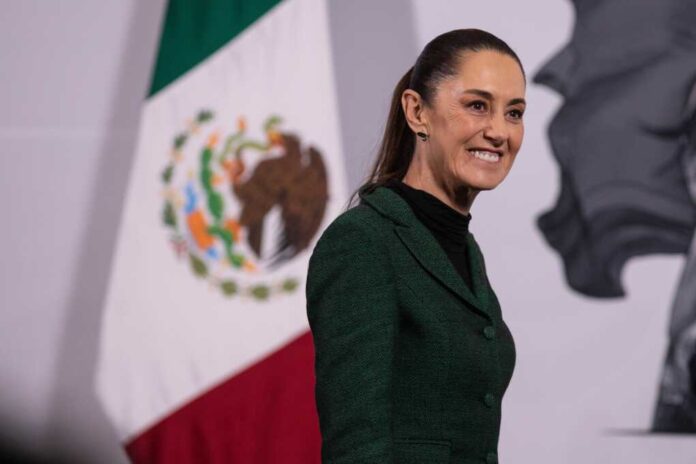
Mexico, under President Claudia Sheinbaum, responded immediately and firmly. She rejected any possibility of U.S. troops crossing the border, stressing that Mexico’s sovereignty would not be compromised. Her administration confirmed that cooperation with the U.S. would continue but only within diplomatic and judicial frameworks.
Cartels Face Sanctions
Soon after the directive, the U.S. Treasury Department imposed sanctions on Carteles Unidos and Los Viagras, freezing their assets and designating them as foreign terrorist organizations. These sanctions were coupled with criminal indictments against high-ranking figures. Washington argues this approach allows expanded enforcement measures and broader financial crackdowns on cartel-linked networks.
The designations also carried a symbolic weight, elevating the fight against cartels from a law enforcement challenge to one framed as national security. Analysts say this shift could reshape how the U.S. deploys resources in Latin America and may further strain cooperation with Mexico.
Mexico’s Extradition Moves
On August 12, Mexico extradited 26 cartel leaders to the United States. Among them were senior operatives connected to the Jalisco New Generation Cartel, one of the region’s most powerful syndicates. The agreement between the two governments included explicit assurances that the death penalty would not be pursued against the defendants.
This marked the second large-scale extradition of 2025, following a February transfer of 29 cartel figures, which included notorious drug lord Rafael Caro Quintero. Mexico’s moves show its willingness to cooperate with U.S. legal processes while drawing a line at military operations.
The Sovereignty Dilemma
The heart of the dispute remains sovereignty. Mexico has long resisted external interference in its internal security matters. Sheinbaum has maintained that while Mexico will continue to pursue extraditions and joint investigations, military operations by U.S. forces would cross an unacceptable boundary.
For the U.S., however, the push for expanded action reflects frustration with the scale of fentanyl trafficking and cartel violence spilling across the border. Trump’s directive has sharpened an already delicate relationship, forcing both nations to balance cooperation against the risk of escalation.
Sources