When a chain restaurant’s pasta promotion now demands stricter ID than some state elections, many Americans see it as one more sign that the system’s priorities are upside down.
Story Snapshot
- Olive Garden’s “Never-Ending Pasta Pass” requires a matching photo ID and is non-transferable, sparking a national voter ID debate.
- Conservative politicians and activists say it proves everyday deals are “more secure” than elections in states with weaker ID rules.
- Critics counter that a private discount pass is not the same as a constitutional right to vote and warn strict voter ID can block legal voters.
- The fight highlights a deeper frustration shared across left and right: systems seem built to protect institutions, not ordinary citizens.
How A Pasta Promotion Turned Into A Voting Fight
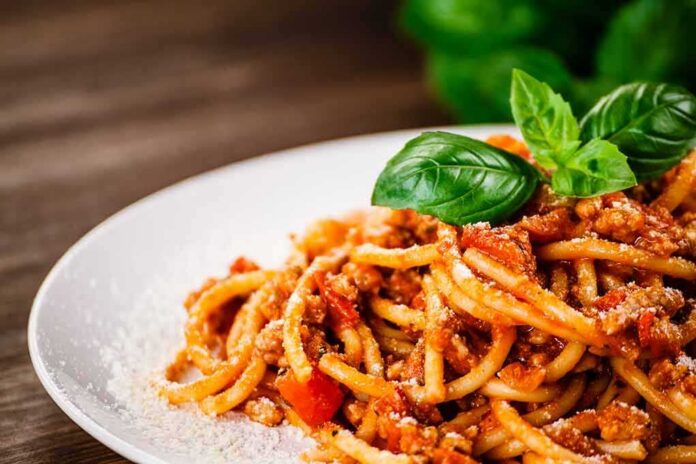
Olive Garden brought back its “Never-Ending Pasta Pass,” a $100 card that lets a customer eat unlimited pasta, soup, salad, and breadsticks for 13 weeks. The company’s terms say the pass is personalized, can only be used by the person named on it, and cannot be shared. To enforce that rule, Olive Garden tells customers they must show a valid photo ID that matches the name printed on the pass each time they order. That simple fraud rule, common in business, suddenly became political fuel.
After Olive Garden repeated this policy in a post on its X social media account, conservative commentators quickly tied it to the long-running fight over voter ID laws. Robby Starbuck joked that “our pasta deals are literally more secure than our elections,” and the line spread fast across right-leaning media. Indiana’s Attorney General Todd Rokita urged Congress to “make it make sense” and pass the federal SAVE America Act, which would tighten election ID rules. Utah Senator Mike Lee and Arizona Representative Eli Crane echoed that message, saying American elections should not be “less secure than Olive Garden’s endless pasta.”
What Olive Garden Actually Requires Versus What States Require
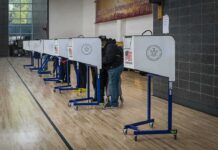
Olive Garden’s policy is clear: one person buys the pass, their name is printed on it, and they must show a matching photo ID every time to use it. The goal is to stop people from sharing, reselling, or faking the pass, which could cost the company money. Elections follow a different set of rules. As of 2024, 35 states require some form of identification to vote in person, but only 23 demand a photo ID; others accept documents like bank statements or utility bills, and several states still allow voting with no ID at the polling place at all.
Supporters of the Olive Garden analogy point to those “no ID” or non-photo ID states, many of them Democratic-leaning, and claim they are less strict than a restaurant chain selling discount pasta. Articles in conservative outlets argue that blue states “require less voter ID than Olive Garden’s unlimited pasta pass” and say this proves elites care more about protecting profits than ballot integrity. For many conservatives who have watched years of what they see as lax border enforcement and messy election rules, this story feels like confirmation that everyday systems are more secure than the nation’s most important civic process.
Why Critics Say The Comparison Misses The Point
Legal analysts and civil rights advocates push back hard, saying the Olive Garden comparison mixes up two very different things. A pasta pass is a private, paid perk that can legally exclude anyone for almost any reason. Voting is a constitutional right that the government must protect for every qualified citizen. Research on strict voter ID laws shows they can lower turnout among nonwhite voters more than among white voters, raising fears that tough rules hit poor and minority communities hardest. That makes ID choices in elections a civil rights issue, not just a security checklist.
Critics also note that claims of large-scale voter fraud remain weak. A review of a major conservative election fraud database found only a small number of proven noncitizen voting cases out of roughly a billion ballots over more than twenty years. Many recent fraud cases involve people who already had IDs and simply cheated the system, not anonymous outsiders sneaking in. From this view, stricter ID may not stop the fraud that does exist, but can block students, low-wage workers, and elderly voters who struggle to get updated documents. They see the pasta example as a catchy talking point that ignores these tradeoffs.
Deeper Anger At A System That Feels Rigged
Behind the jokes about breadsticks and fettuccine sits a more serious anger that spans party lines. Many conservatives over 40 blame years of “woke” agendas, globalist trade deals, and loose border policy for rising costs and lost control. Many liberals over 40 blame “America First” cuts to social programs, harsh immigration enforcement, and fossil fuel favoritism for widening the gap between rich and poor. Both sides increasingly feel that powerful elites and bureaucrats serve themselves first and the public last.
"The answer was a very firm "No" from Olive Garden.
The pass, it turns out, can only be used by the passholder, who must present the pass along with valid photo ID in order to access their plates of pasta."https://t.co/1a4ivTqkx2 pic.twitter.com/nUwiOggfSb
— The CSPAN Review (@CSpanreview) July 19, 2026
The Olive Garden story taps that shared mistrust. To some on the right, it proves big companies can lock down a food promo while politicians leave elections open to abuse. To some on the left, it shows how quickly everyday life gets pulled into culture wars while deeper problems like low wages, high housing costs, and health bills go unsolved. Nonpartisan experts note that voter ID debates often rely on simple analogies rather than careful legal or data work, which makes it easy for both sides to score points but hard for citizens to see what truly improves security without blocking honest voters.
Sources:
facebook.com, nypost.com, x.com, freedomeden.blogspot.com, m.olivegarden.com, thepostmillennial.com, thefederalist.com, legalinsurrection.com, instagram.com, click2houston.com, foxnews.com, wabcradio.com, ncsl.org