West Nile virus cases surged 40% above average this season, straining hospitals and forcing health officials to confront new vulnerabilities.
At a Glance
- U.S. reports 771 cases across 39 states, with nearly 490 severe infections.
- Italy records 500 cases and 32 deaths, its highest early tally ever.
- Older adults and immunocompromised individuals face the greatest danger.
- Health agencies warn that transmission zones are expanding into new regions.
Record Outbreaks Across Two Continents
The 2025 West Nile season has broken records in the United States and Europe. American health officials count 771 infections so far, with two-thirds listed as neuroinvasive. Hospitals are stretched as more patients present with nervous system damage.
Italy leads Europe’s crisis, reporting 500 infections and 32 deaths. Southern France has logged local cases for the first time. Officials say the season is not yet over, and further spread is expected.
Watch now: West Nile virus cases surge
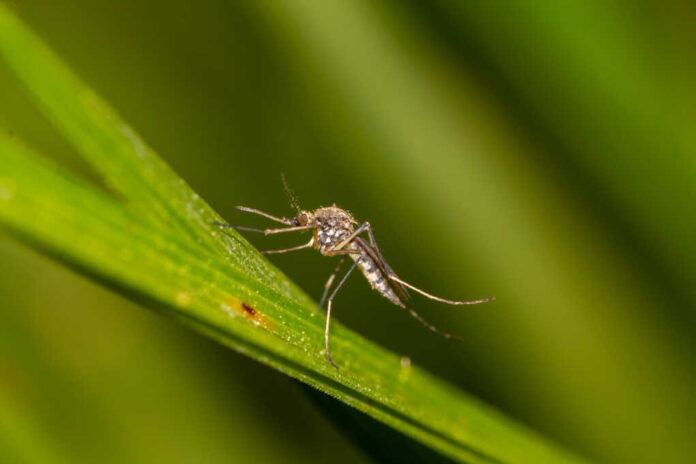
The virus, first found in Uganda in 1937, became entrenched in the U.S. after 1999. Outbreak intensity depends on mosquito cycles and weather. This year’s prolonged heat and damp conditions gave mosquitoes a longer breeding season, fueling transmission.
Vulnerable Groups and Expanding Risk
Severe infections fall hardest on older adults and those with compromised immunity. Among U.S. cases, nearly 490 are severe, leaving lasting neurological harm or leading to death.
In Europe, the spread into new provinces exposes weak health systems. Communities with limited hospital capacity now face escalating burdens. Families absorb the fallout as caregivers and breadwinners fall ill.
Public behavior is shifting too. People are reducing outdoor activity, driving down tourism revenues. Blood donations and veterinary services are also disrupted, reflecting the virus’s wider economic drag.
Public Health Response Under Fire
The CDC and the ECDC are coordinating surveillance and education campaigns. Residents are urged to drain standing water, use repellent, and cover skin. Officials insist most infections are mild, but acknowledge reporting gaps leave the true scale uncertain.
Watchdog experts argue that U.S. preparedness lags. Delayed reporting and bureaucratic hurdles fuel doubts about transparency. Health systems already battling shortages now absorb another hit.
Skepticism remains high. Some citizens distrust federal directives after years of contentious pandemic rules. Analysts warn that credibility gaps could blunt compliance with basic mosquito-control measures.
Constitutional Questions and Climate Future
Debates sharpen over government’s role in outbreak response. Critics like Dr. Scott Atlas highlight inefficiency and warn against one-size-fits-all mandates that weaken state autonomy. Proponents of decentralization urge stronger local capacity, not heavier federal oversight.
At the same time, climate science offers a blunt forecast. Rising heat and wetter seasons will push mosquito-borne diseases further north. Dr. Kristie Ebi and others warn of more frequent outbreaks unless infrastructure adapts.
That dual pressure—constitutional restraint versus climate reality—defines the challenge ahead. West Nile is not just a seasonal nuisance. It is a test of how societies balance liberty, resources, and survival.
Sources
EFSA/ECDC Surveillance Report, Europe, 2025
CDC West Nile Virus Data and Maps