A new directive to paint the U.S.-Mexico border wall black is raising questions over costs, effectiveness, and political motives as the Trump administration doubles down on deterrence.
At a Glance
- President Trump ordered the border wall painted black to increase surface heat.
- DHS Secretary Kristi Noem announced the initiative on August 19, 2025.
- Officials claim the paint will deter climbing and improve visibility.
- CBP is tasked with implementation and maintenance of the painted sections.
- Experts warn effectiveness is unproven and costs may rise.
Black Paint as Border Strategy
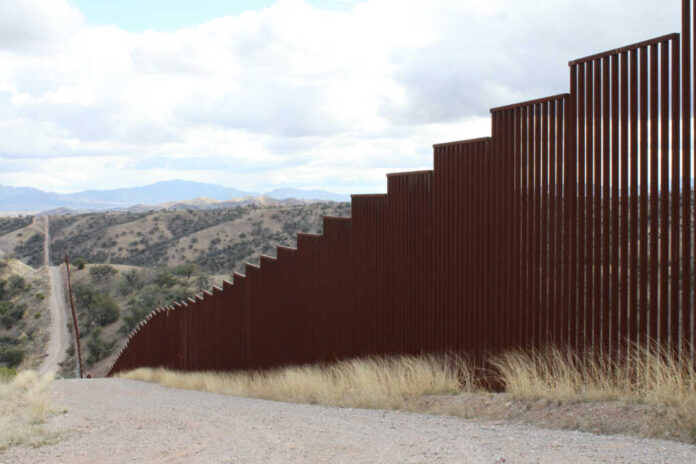
On August 19, 2025, Department of Homeland Security Secretary Kristi Noem announced that President Trump had directed the U.S.-Mexico border wall be painted black. According to DHS officials, the goal is to increase surface heat, making the barrier harder to climb. The announcement was made in New Mexico, where Noem emphasized that the paint would also enhance wall visibility for surveillance.
Watch now: Fiery Border Wall Strategy Explained · YouTube
The initiative expands on pilot programs tested during Trump’s first term, when select sections of the wall were coated in black paint to evaluate its deterrent effect. DHS now intends to extend this approach to the entire southern border, coupling it with sensor systems and upgraded surveillance technologies. Officials frame the move as part of a layered security strategy, rather than a stand-alone measure.
Political Messaging and Stakeholder Roles
The directive highlights both operational and political dimensions. President Trump and Secretary Noem are the central figures driving the initiative, positioning it as a visible reinforcement of border control policy. The U.S. Customs and Border Protection agency is responsible for carrying out the directive, ensuring both application and upkeep of the paint. Border Patrol agents are expected to provide feedback on whether the added heat influences climbing attempts.
For migrants and advocacy groups, the blackened wall poses added physical risks, potentially compounding humanitarian concerns already tied to border enforcement. Meanwhile, maintenance crews face higher logistical demands, as painted surfaces may require frequent reapplication due to environmental wear.
The announcement also underscores the Trump administration’s broader messaging: a commitment to border hardening measures as part of a larger narrative of strength on immigration policy. Political allies have praised the move as an innovative deterrent, while critics argue it symbolizes reliance on costly physical barriers over legislative reform.
Uncertain Effectiveness and Future Impacts
While DHS argues the initiative will discourage climbing, independent experts note that research on its effectiveness remains limited. Questions remain over whether paint alone can alter migrant decision-making or merely add an additional hazard. The wall’s long-term resilience may also be affected, as heat absorption could accelerate structural wear, raising upkeep costs.
Economically, resources are being redirected to cover painting and ongoing maintenance, potentially diverting funds from alternative enforcement or technology programs. The initiative could also stimulate demand in the border security infrastructure sector, as suppliers of coatings and maintenance services anticipate increased contracts.
Socially, the measure feeds into broader debates over deterrence-based strategies versus comprehensive immigration reform. Advocates for reform stress that physical modifications cannot substitute for legislative solutions, while supporters of the initiative see it as a practical enhancement to existing infrastructure.
Looking ahead, DHS will monitor the results of the black paint initiative to assess its impact on climbing attempts. However, until empirical evidence is gathered, the measure’s actual deterrent value remains uncertain, even as it reinforces the administration’s political message of border security toughness.
Sources
Department of Homeland Security