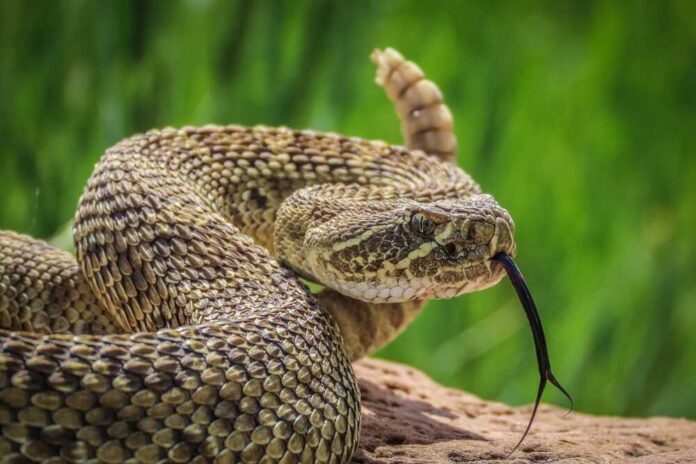
California has recorded three venomous snake deaths in just four months—a 300% spike that has shattered the state’s typical annual average and left authorities scrambling to explain why deadly encounters are surging across hiking trails, bike paths, and rural properties.
Story Snapshot
- Three Californians died from venomous snake bites between February and April 2026, compared to the state’s normal maximum of one death per year
- The California Poison Control System documented 70 rattlesnake bites in the first three months alone, against a typical annual total of 300-350 cases
- Authorities uncovered an illegal wildlife trafficking network selling venomous snakes, seizing 66 live specimens including cobras and vipers
- Experts link the spike to unusually warm weather following winter rains, which boosted rodent populations and triggered early snake surface activity
Unprecedented Fatality Spike Alarms Public Health Officials
The first death struck in February when a 25-year-old Costa Mesa mountain biker was bitten while riding in Irvine. On March 14, a 46-year-old Moorpark woman died after a rattlesnake bite at Wildwood Regional Park in Ventura County. The most recent fatality occurred April 8, when a 78-year-old Redwood Valley woman was bitten three times by an unidentified venomous snake on rural property. Autopsy results confirmed envenomation as the cause of death seven days later. These incidents represent a public safety crisis that has Californians questioning whether their government is adequately protecting citizens from environmental threats.
Environmental Conditions Fuel Snake Activity
Greg Pauly, curator of herpetology at the Natural History Museum of Los Angeles County, attributed the surge to a perfect storm of environmental conditions. Early winter rains followed by unusually warm temperatures created ideal conditions for plant growth, which in turn supported thriving rodent populations. The abundant food supply combined with warm weather triggered elevated snake surface activity far earlier than normal seasonal patterns. This explanation, while scientifically grounded, raises uncomfortable questions about whether state environmental policies have adequately prepared residents for the consequences of shifting climate patterns and wildlife behavior.
Illegal Trafficking Network Compounds Public Safety Crisis
The California Department of Fish and Wildlife conducted a major undercover sting operation that exposed a criminal network trafficking venomous snakes. Officers seized 75 animals, including 66 live venomous snakes such as Gaboon vipers, Egyptian cobras, and multiple rattlesnake species. Five individuals face charges related to the unlawful sale of these deadly reptiles. The discovery raises serious concerns about how non-native venomous species are infiltrating California ecosystems and whether regulatory agencies have been asleep at the wheel while black market operators endangered public safety.
Medical Experts Issue Urgent Treatment Warnings
Dr. William Woo of Kaiser Permanente emphasized the life-threatening nature of rattlesnake venom, which places intense stress on the body and can trigger organ failure and severe health complications. He stressed that antivenom represents the most effective treatment option and that prompt administration significantly improves survival outcomes. Jay Brewer of The Reptile Zoo clarified that rattlesnakes are not aggressive hunters and will not chase humans, noting that most bites result from accidental contact when people step on the snakes. Despite these expert assurances, the tripling of fatalities suggests more needs to be done to educate outdoor enthusiasts about risk mitigation.
Outdoor Recreation Communities Face Heightened Risks
Authorities have issued widespread warnings to hikers, mountain bikers, and rural property owners, urging them to stay on marked trails, avoid high grass, and seek immediate medical attention if bitten. The three deaths occurred across diverse settings—from urban bike trails in Irvine to remote hiking areas in Ventura County and rural properties in Mendocino County. This geographic spread indicates that no California outdoor enthusiast is immune from the threat. The crisis has created palpable anxiety among recreational communities who feel abandoned by state wildlife management agencies that should have anticipated and mitigated these risks before citizens paid the ultimate price.
Sources:
Snake bites, attacks and deaths in California
Second deadly rattlesnake bite on Southern California trail prompts warning
California’s Year of the Snake: Wildlife Sting Operation Uncovers Illegal Trafficking Network
Three dead as California faces invasion of killer snakes