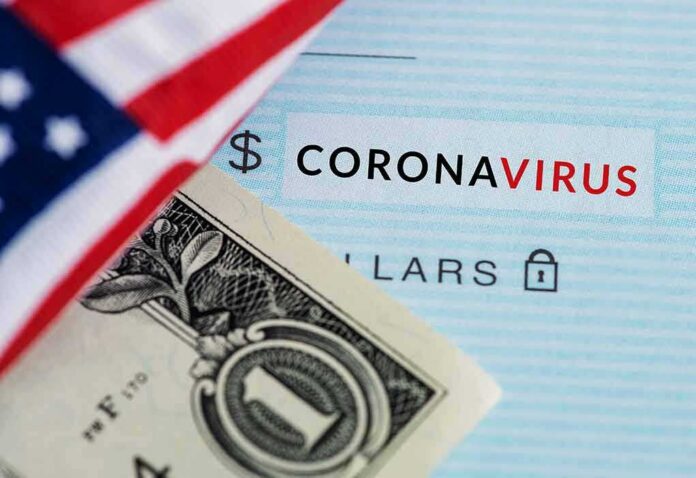
Vice President JD Vance said 870,000 people flagged for suspected pandemic loan fraud are now locked out of new federal small-business loans — a sweeping move that shows how big the COVID relief mess still is.
Story Highlights
- Vice President Vance said 870,000 suspected pandemic-fraud borrowers are barred from new federal loans.
- Justice Department reports hundreds of coordinated cases and billions in alleged COVID fraud prosecutions.
- Small Business Administration watchdog estimated more than $200 billion in potentially fraudulent loans.
- Investigators say speed, weak controls, and self-certification fueled fraud during the crisis.
What Vance Announced And Why It Matters
Vice President JD Vance said the federal government has placed a stop on future loans for about 870,000 people tied to suspected COVID-era relief fraud. The group appears drawn from large datasets flagged by investigators during reviews of the Paycheck Protection Program and the Economic Injury Disaster Loan program. The action signals a major effort to protect future funds, not just recover past losses. The White House and loan agencies did not release individual case details or a public list supporting the total.
The Justice Department has treated COVID relief fraud as a national problem. In August 2023, officials announced 718 enforcement actions, including criminal charges against 371 defendants, tied to more than $836 million in alleged fraud. In 2024, the department’s task force reported charging over 3,500 defendants overall and seizing or forfeiting more than $1.4 billion, with hundreds of civil cases also filed. Those figures show sustained pressure on fraud schemes as cases continue to move through courts.
How The Fraud Grew So Large
The Small Business Administration’s watchdog estimated more than $200 billion in potentially fraudulent loans across its main pandemic programs, about 17 percent of all funds disbursed. Reporters and outside reviews echoed the scale using that estimate. Committee staff who examined the breakdown pointed to key drivers: self-certification, extreme speed, weak controls, limited expertise, and a focus on optics during the crisis response. Those choices sped money to real businesses, but they also opened the door to bad actors.
Federal reviews describe how patterns in data helped reveal suspect loans after the fact. Investigators cited shared Internet addresses, recycled employer numbers, mismatched bank accounts, and bulk application clusters as red flags. The Justice Department’s own inspector general reported that prosecutors used agency loan data to spot repeat traits across applications, which pointed to organized schemes. That forensics work came late, after funds were already out the door, which made prevention harder and recovery more costly.
Who Is Affected Now — And What Comes Next
The bar that Vice President Vance described aims to block suspected bad actors from tapping fresh federal small-business funds. That can lower near-term losses while prosecutions and recovery continue. The government has also brought targeted criminal cases that show how the schemes worked, from false payroll claims to identity theft and shell companies, sometimes across several states. Officials say that, taken together, these actions are meant to deter new scams and to rebuild basic trust in relief programs.
People across the political spectrum see this as a failure of government basics. Many conservatives fault the rush, weak checks, and the cost to taxpayers. Many liberals blame poor oversight, profiteering, and a system that helped cheats while honest owners struggled. Both sides agree that fraud on this scale erodes faith. The lesson is simple but tough to deliver in emergencies: fast aid still needs built-in checks, real identity proof, and data sharing up front — not years later.
What Taxpayers Should Watch
Taxpayers should watch for how agencies validate the 870,000 figure and how appeals work for any person wrongly flagged. They should track how much money is actually recovered in court judgments versus seized assets and settlements, since dollars returned have lagged dollars stolen so far. They should also look for permanent design changes: identity proof at application, cross-database checks before disbursement, and routine audits that trigger quick holds. Those steps can limit fraud without stopping real aid.
Vance Announces Permanent Ban on 870,000 Borrowers Tied to Suspected Pandemic Loan Fraud
Vice President JD Vance said the Trump administration will permanently bar roughly 870,000 people from future federal small-business and disaster lending after linking them to an estimated… pic.twitter.com/yFYbxtEA4Z
— IT'S All RIGHT (@itsallrighty) September 14, 2026
The bottom line is that fraud enforcement remains active and large. The new borrowing bar, if executed with due process, could stop repeat scams. But prevention in the next crisis will matter more than punishment after the fact. Clear rules, simple verification, and transparent data are not partisan ideas — they are how the public knows its money goes where leaders say it will.
Sources:
cbsnews.com, smallbusiness.house.gov, justice.gov, cnn.com, oig.justice.gov