The Associated Press is promising wall-to-wall Election Day video and rapid race calls built on a vote-count system it has used since 1848.
Story Snapshot
- Associated Press plans continuous live video from voting sites, count rooms, and campaign events across the country.
- Associated Press says it will report results from local election officials and call about 5,000 races when trailing candidates have no path to win.
- Associated Press will distribute updates on its website, app, media feeds, and via push alerts and banners.
- Associated Press will support broadcasters with multi-language correspondents and live stand-up locations in key states.
What Associated Press Says It Will Do On Election Day
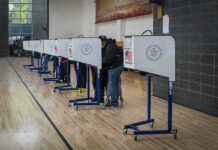
The Associated Press announced a nationwide operation that mixes live video, on-the-ground reporting, and real-time race calls. The plan includes “continuous live video coverage” that shows voting and vote counting, plus watch parties, rallies, and speeches. Named reporters Meg Kinnard and Sagar Meghani will host a produced livestream. Associated Press says cameras will be placed around the country to follow major contests and reaction as results arrive. The focus is speed with structure, not just a results dashboard.
Associated Press says it will distribute updates across its major channels and services. Those include the Associated Press website, the Associated Press News app, push alerts, breaking-news banners, and feeds for professional media customers through the Associated Press Media application programming interface and Associated Press Newsroom. This network is designed to move confirmed vote updates and race calls to the public and to partner outlets at the same time. The goal is to keep audiences informed without long gaps in critical moments.
How Associated Press Says It Will Count Votes And Call Races
Associated Press states it will collect vote totals from local election officials nationwide and publish them as they are reported. A specialized Decision Team will call winners when its analysis shows that trailing candidates no longer have a path to victory. Associated Press notes it has tabulated votes since 1848 and expects to declare winners in roughly 5,000 general-election races this cycle. That approach aims to separate journalistic race calls from later legal certification by states.
Independent explainers describe the same basic process: a call is a projection based on vote data and other evidence, not a legal result. Associated Press says it weighs current returns, historical patterns, and information about early and advance votes to judge whether more counted ballots could change the outcome. The Decision Team waits to call a contest until it is fully confident the outcome will not flip based on remaining votes. That timing helps reduce confusion between a newsroom decision and the final canvass.
Why The Operation’s Design Matters To Voters And Newsrooms
Associated Press also markets election services, including vote data, live video, and its VoteCast survey, to other outlets and platforms. That dual role—journalism and data provider—means its speed and accuracy can shape what millions see on election night. When coverage shows count rooms, watch parties, and quick alerts, one early error or correction can ripple across screens. The same speed can also deliver clear news faster when systems work as planned.
Americans across the political spectrum want clear facts without spin or delay. Many worry that elites and institutions put business and brand ahead of citizens. This plan tries to meet both urgency and clarity by pairing live scenes with sourced vote updates. It also tries to draw a bright line: Associated Press calls a race when the math closes the door on a comeback, while states later certify the result. Knowing that difference can lower confusion on a tense night.
Sources:
youtube.com, ap.org, customerzone.ap.org