People are dying in Bolivia because protesters have blocked roads for 50 straight days — cutting off food, fuel, and medicine to entire cities — and now the military has been called in.
Story Snapshot
- Bolivia’s President Rodrigo Paz declared a state of emergency on June 21, 2026, after 50 days of road blockades choked off supplies to the capital, La Paz.
- At least 17 people have died — most because blockades stopped them from reaching hospitals in time.
- The crisis started when Paz cut long-standing fuel subsidies, triggering inflation and mass protests demanding his resignation.
- Paz struck a deal with Bolivia’s main trade union just before declaring the emergency, but then deployed the military anyway to clear remaining blockades.
Roads Blocked, Cities Cut Off
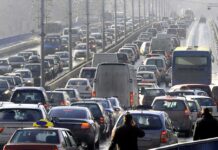
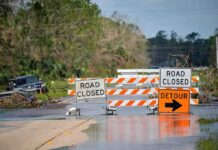
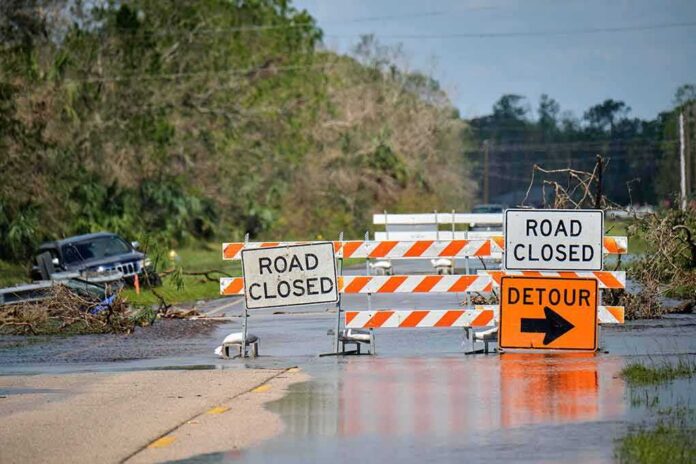
Bolivia’s capital, La Paz, has been effectively surrounded. Protesters erected barricades on key roads leading into the city, leaving tanker trucks stranded and shelves running empty. Fuel, food, and medicine all ran short. The government says at least seven people died because patients could not reach hospitals. Bolivia’s ombudsman put the overall death toll from the crisis at 17 or more, with most deaths tied to blocked medical access.
At its peak, more than 100 blockade points were active across six of Bolivia’s nine regions. Industry groups estimated economic losses of up to $2.8 billion from the shutdown, with daily damages running around $60 million. Violent clashes broke out between protesters — some armed with dynamite — and riot police, resulting in at least 365 arrests and 37 injuries, according to authorities.
What Started This Crisis
The unrest began in May 2026 when President Paz abruptly cut long-standing fuel subsidies to reduce Bolivia’s deficit. The move caused gas prices to spike and worsened already painful inflation, which has hit a 40-year high. Bolivia’s economy was already in deep trouble — natural gas exports had collapsed, the central bank’s foreign currency reserves were nearly empty, and the International Monetary Fund (IMF) projected the economy would shrink by 3.3 percent this year.
Paz took office in November 2025, ending almost 20 years of rule by the leftist Movement Toward Socialism party. He won with support from labor groups and Indigenous communities who helped vote him in, promising to fix fuel shortages and stabilize the economy. But those same groups turned on him quickly. They say he broke his promises, pushed market reforms that favor big business, and built a cabinet of technocrats who don’t represent ordinary Bolivians.
Who Is Protesting — and Who Is Behind It
The protest movement includes labor unions, rural workers, Indigenous communities, and supporters of former President Evo Morales. Union leaders from the Bolivian Workers’ Confederation called for blockades to be expanded nationwide and demanded Paz resign. Morales has backed the movement publicly and called for early elections. Paz has accused Morales of stirring up the unrest. Morales denied it in an interview with Reuters, saying the protests reflect real economic suffering, not political manipulation.
Bolivian President Rodrigo Paz has declared a state of emergency after talks with trade unions collapsed. The move follows the rapid passage of a controversial new law that expanded presidential powers and allows the military to intervene if police cannot control the unrest. Two… https://t.co/GQRjx93vFK
— LATINAR (@Latinar_rybar) June 21, 2026
The picture is messy. Some protest groups — including cooperative miners and rural teachers — agreed to talks with the government and stood down. Others, mainly peasant groups, refused to negotiate at all. A significant portion of ordinary Bolivians oppose the blockades because of the economic pain they cause. Some analysts say parts of the movement are being driven by political actors tied to the old ruling party rather than purely by grassroots grievances.
Emergency Declared — But a Deal Was Also Struck
Hours before declaring the state of emergency, Paz announced a deal with the Bolivian Workers’ Confederation to end the protests. The confederation confirmed it would lift blockades nationwide, with the government promising to honor the agreement right away. But Paz declared the emergency anyway, giving the military broad power to dismantle any remaining barricades. He said the move was made “after exhausting all avenues of dialogue” and was meant to “give freedom back to the people.” The emergency is set to last up to 90 days.
The situation captures a dilemma that will feel familiar to many Americans: a government caught between painful but arguably necessary economic reforms and a public that is out of patience. Paz inherited a broken economy and tried to fix it. His cuts hurt people who were already struggling. Now the response to that pain is itself killing people by blocking roads. There are no clean hands here — only a country stuck between a crisis it can’t afford to ignore and a political fight neither side seems willing to lose.
Sources:
[1] YouTube – Bolivia president declares state of emergency as blockades choke …
[2] Web – Bolivia’s Paz declares state of emergency over blockades – DW.com
[3] YouTube – Bolivia at ‘breaking point’ as protests spark fuel and food shortages
[4] Web – Bolivia’s president declared a state of emergency following 50 days …
[5] Web – Bolivian Congress allows deployment of troops to quell protests – BBC
[6] Web – Protests/road blocks in Bolivia, how to travel around? – Reddit
[7] Web – Bolivian union leaders called for nationwide blockades to be …
[8] Web – What to expect in Bolivia due to social unrest? – Facebook
[9] Web – Bolivia – South America | UPDATE: there are not more blockades …
[10] Web – Bolivia’s president declares state of emergency over blockade crisis