Eight Iranian troops were reported killed after U.S. strikes hit Bandar Abbas, but the number remains disputed because officials have not confirmed it.
Quick Take
- Iranian state media said eight members of the armed forces were killed in strikes on southern Iran.
- U.S. Central Command said it hit military targets and did not mention Iranian personnel deaths.
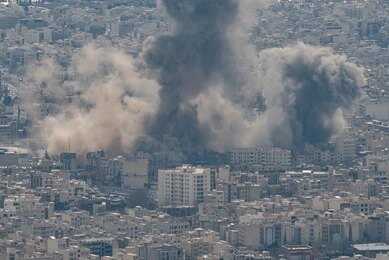
- Reports from BBC and other outlets described explosions, fire, and injuries in Bandar Abbas.
- The gap between the two accounts shows how fast wartime claims can outpace proof.
What Was Reported in Bandar Abbas
Reports from Iranian and international media described explosions in Bandar Abbas and nearby areas after U.S. strikes. Iranian state media said the blasts followed attacks near the Strait of Hormuz, while BBC coverage showed fire burning in the city after the strikes. Those reports support that significant damage happened, but they do not by themselves verify the exact death toll.
One outlet cited Iranian state media in saying eight troops were killed, including members of the Iranian army’s air and naval forces. That claim was repeated by the Caspian Post, which said the deaths occurred in Bandar Abbas and Bushehr. At the same time, other reporting in the same news cycle emphasized explosions, injuries, and damage, not a confirmed count of the dead.
Why the Casualty Count Is Still Unclear
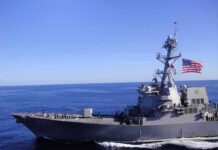
The strongest counterpoint comes from U.S. Central Command, which said the strikes targeted a drone control station and other military infrastructure. NBC News also reported that CENTCOM said it had finished attacking targets in Iran. Neither account included a confirmed Iranian death toll, which leaves the claim of eight killed unverified in the public record available here.
That gap matters because wartime casualty claims often move faster than independent checks. In this case, the available reports show a clash between a state-media death claim and a U.S. military statement focused on targets, not people. For readers, that means the core facts are clearer than the final toll: strikes happened, damage was reported, and the casualty count remains uncertain.
Why This Story Resonates Beyond Iran
This episode fits a pattern that often fuels public distrust on all sides. Governments talk in polished language, while citizens see explosions, fear, and incomplete answers. Supporters of a hard line against Iran may see the strikes as proof of resolve. Critics may see another example of leaders escalating first and explaining later, with ordinary people left to sort out the truth.
ATHENUM WORLD MAP
Iran · Geopolitical Risk
Iran absorbed a fresh wave of US strikes in the last hour, with reported hits on Bushehr, Chabahar, Bandar Abbas and Jask killing at least one person in Iranshahr and knocking out power across Chabahar, as Tehran released footage of… pic.twitter.com/JSpq4yqLnG
— Athenum Map (@AthenumMap) July 9, 2026
The wider political issue is not just one battle report. It is the widening gap between official messaging and what people can verify for themselves. When one side says military targets were hit and the other side says troops were killed, the public is asked to choose before the evidence is complete. That fuels suspicion, anger, and the feeling that powerful institutions control the story more than the facts do.
Sources:
insiderpaper.com, aljazeera.com, militaryspend.org, facebook.com, youtube.com, bbc.com, instagram.com, nbcnews.com, centcom.mil, nytimes.com, time.com, reuters.com