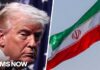
President Trump and President Putin both blamed Joe Biden for the war in Ukraine, framing it as a shared talking point and reshaping the summit’s narrative.
At a Glance
- Both leaders publicly blamed Biden for the war in Ukraine
- The summit produced no cease-fire or territorial resolution
- Trump hosted Putin in Alaska with full ceremonial welcome
- Putin gained symbolic legitimacy from the U.S. visit
- Trump shifted from cease-fire demands to broader peace terms
The Message That Echoed
At the joint Alaska summit on August 15, 2025, both Donald Trump and Vladimir Putin appeared to align in assigning responsibility for the Ukraine war to President Joe Biden. The public remarks drew significant attention, overshadowing the absence of any tangible progress toward ending the conflict.
Watch now: Donald Trump points the finger over who caused Ukraine war · YouTube
Diplomatic Theater, Strategic Void
The Alaska meeting unfolded with significant staging, including a red-carpet arrival and a symbolic ride in Trump’s presidential limousine. Despite the spectacle, no formal agreements emerged to de-escalate the war in Ukraine. Trump notably shifted from earlier calls for a cease-fire to supporting a more general “peace agreement,” which aligned more closely with Putin’s language.
Narrative Shift, Territorial Questions
Putin left Alaska with enhanced diplomatic stature, having stood on equal footing with a U.S. president in a high-profile setting. Trump’s original goal of pressing for a cease-fire was not achieved. Instead, the summit highlighted unity in criticism of Biden, while the practical questions of territory, sovereignty, and military withdrawal were left unresolved.
Broader Stakes Remain Unresolved
Analysts warned that the summit delivered symbolic gains for Russia without producing measurable outcomes for peace. Experts from the Atlantic Council and other policy institutes stressed that negotiations without Ukraine’s direct involvement cannot deliver a sustainable resolution. They cautioned that transactional diplomacy risks sidelining the central issue of sovereignty in favor of political messaging.
Sources