Warren Buffett has delivered a rare and direct warning to President Trump’s White House on the state of the U.S. economy, triggering unease among investors and fueling urgent questions about America’s financial direction.
At a Glance
- Warren Buffett criticizes current White House economic policies in an uncharacteristic public statement
- The billionaire investor highlights urgent risks tied to government debt and market volatility
- U.S. stock indexes plunged in response to Buffett’s remarks
- Business leaders and financial strategists echo concerns about economic uncertainty
- The Trump administration faces growing pressure over fiscal and market management
Buffett’s Stark Message to the Administration
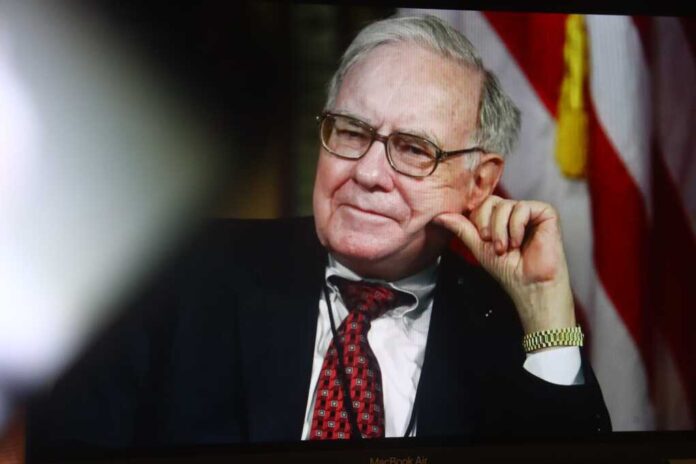
Warren Buffett, legendary investor and CEO of Berkshire Hathaway, broke his usual public silence to issue a direct critique of the Trump administration’s handling of the economy this week. In remarks circulated across financial networks, Buffett singled out ballooning government debt and unpredictable fiscal policy as primary drivers of economic instability.
He described the current approach as “unsustainable,” sparking alarm among Wall Street analysts and everyday investors alike.
Read more: Buffet’s Warning on Economy
The fallout from Buffett’s comments was immediate. The Dow Jones Industrial Average lost more than 500 points in a single trading session, while both the S&P 500 and Nasdaq posted steep declines. Experts say investors are now bracing for prolonged turbulence unless fiscal policy signals a clear change of course.
Wall Street Shaken, Confidence Sinks
Prominent figures across the business community responded quickly to Buffett’s warning. Financial strategists reported a surge in client inquiries about moving assets to safer investments or rebalancing portfolios. Many echoed Buffett’s concern that rising debt, policy shifts, and unpredictable spending could undermine long-term growth.
Inside the White House, officials have attempted to highlight positive economic indicators—such as recent job growth and GDP gains—to counter Wall Street’s anxiety. However, market watchers argue that high-profile warnings from figures like Buffett carry weight with global investors and the American public. Persistent volatility and falling confidence threaten to overshadow any short-term gains.
Political Fallout and Policy Debate
President Trump and key economic advisers now face intensified scrutiny from lawmakers and market observers. Both Republican and Democratic members of Congress have called for new measures to rein in federal deficits and reassure investors. Analysts note that criticism from Buffett—one of the world’s most respected investors—may further complicate the administration’s public messaging on the economy.
With national elections approaching, the political stakes are high. Any sustained downturn or spike in market volatility could influence both public opinion and policy debate in the months ahead. The administration’s ability to address mounting fiscal concerns may prove decisive for economic and political fortunes alike.
What’s Next for the U.S. Economy?
The aftershocks from Buffett’s intervention may stretch far beyond this week’s market moves. Business leaders warn that persistent uncertainty could slow investment, hiring, and consumer confidence. Economists say continued growth in government debt—without corresponding fiscal discipline—risks destabilizing both domestic and global financial systems.
As investors, business owners, and policymakers assess the path forward, the spotlight remains fixed on the Trump administration’s economic strategy. America’s financial future, and its leadership’s response to Buffett’s warning, will shape the next chapter in the country’s economic story.