Federal agents’ immigration raid outside a California redistricting event has triggered a high-stakes clash over the limits of federal authority and local autonomy.
At a Glance
- Federal immigration raid occurred during Governor Newsom’s redistricting launch in Los Angeles
- Mayor Bass and state officials accused federal authorities of political provocation
- Federal agencies denied political intent, citing a targeted criminal case
- Location outside Japanese American National Museum heightened symbolic tensions
- Incident has spurred calls for investigation and strained federal–local relations
Raid Overlaps With High-Profile Event
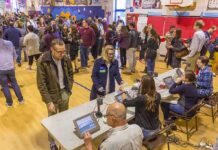
On August 14, 2025, federal immigration agents from ICE and Border Patrol carried out an enforcement operation in Little Tokyo, Los Angeles. The location was directly outside the Japanese American National Museum, where Governor Gavin Newsom and Democratic leaders were unveiling a new congressional redistricting campaign. The timing coincided so precisely that Mayor Karen Bass publicly accused federal authorities of staging the action as a political provocation.
Watch now: Immigration Raid at Gov. Newsom Event · YouTube
Federal agencies insisted the operation was unrelated to the political gathering and focused on apprehending a specific individual with a criminal record. However, the proximity to a major Democratic event intensified public scrutiny and fueled accusations that the Trump administration was leveraging enforcement to send a political message.
Symbolism and Historical Resonance
The setting outside the Japanese American National Museum carried symbolic weight. The institution commemorates the wartime internment of Japanese Americans, a history that civil rights advocates argue adds sensitivity to any law enforcement action on its grounds. Historians, including Greg Robinson, have pointed out that such a venue inherently magnifies the perception of government overreach, especially in a sanctuary city like Los Angeles.
California’s sanctuary policies have long placed the state at odds with federal immigration priorities. Between 2018 and 2020, the Trump administration increased targeted immigration enforcement in California, citing insufficient cooperation from local jurisdictions. This history provided fertile ground for allegations of political intent in the August raid.
Political and Legal Repercussions
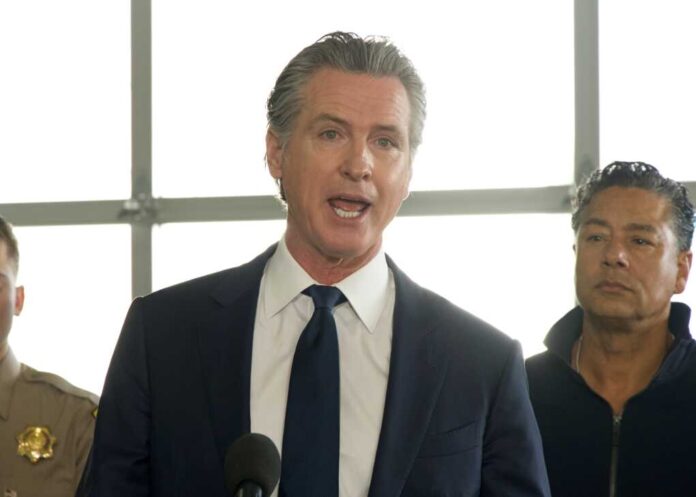
Governor Newsom claimed in a press conference that former ICE Director Tom Homan and other Trump administration figures were involved in approving the operation, though these claims remain unconfirmed. Mayor Bass labeled the event a deliberate act of intimidation, while DHS Secretary Kristi Noem and Assistant Secretary Tricia McLaughlin reaffirmed the federal position that the raid was routine.
Local police, limited to managing traffic and public safety during the incident, played no role in the operation itself. The detained individual—a strawberry vendor—quickly became a rallying point for community activists, symbolizing the human toll of immigration enforcement. Businesses in Little Tokyo reported immediate losses due to the disruption, according to the Los Angeles Daily News and local merchant associations.
Broader Implications and Continuing Fallout
The raid’s impact extends beyond immediate legal questions. Immigration advocates argue that such high-profile operations erode community trust, deterring residents from reporting crimes or engaging with public services. Political scientists, including Melissa Michelson of Menlo College, have noted that the event exemplifies “performative federalism,” where visible federal actions serve to reinforce political identity and energize partisan bases.
As of August 15, 2025, the status of the detained individual remains uncertain, and calls for formal investigation are mounting. Activists are mobilizing on both sides, framing the incident either as a justified enforcement measure or an inappropriate political maneuver. With California’s elections approaching, the event is likely to influence debates over the scope of state sovereignty, federal jurisdiction, and the politicization of law enforcement.
Sources