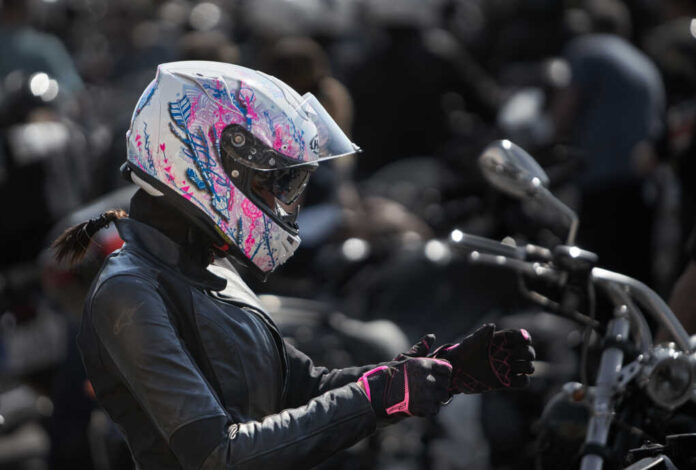
Iranian women disguised as men ride motorcycles in defiance of clerical restrictions, fueling a broader fight for personal freedom.
At a Glance
- No written law bans women from motorcycles, but licenses are denied.
- Women face harassment, confiscation, and denial of insurance coverage.
- Riders link their struggle to Mahsa Amini protests.
- Motorcycle resistance signals wider push for personal autonomy.
Disguises on the Streets
Farah Ahmadi transforms herself each morning to ride through Tehran. Masculine clothing hides her identity as she joins a growing movement. Women conceal themselves to bypass police attention, though many still face harassment or fines.
There is no formal law banning women from motorcycles. Yet authorities block licenses, arguing that riding exposes female figures. This unwritten policy has endured since the revolution, cloaked in religious justifications.
Watch now: Iranian women ride motorbikes in defiance of Islamic rules | REUTERS
Legal Ambiguity as a Weapon
Iran’s traffic code speaks only of men when outlining license eligibility. This gap enables police to reject women’s applications at will. No clear regulation exists, but the state manipulates bureaucracy to impose control.
Clerics have issued fatwas declaring motorcycle riding improper for women. They invoke morality concerns, yet ignore constitutional principles of equal rights. This blurred legal terrain creates a state of permanent uncertainty for female riders.
Many riders share evidence online, documenting the arbitrary denial of licenses. Their stories reveal how governments extend control through technical loopholes instead of transparent laws.
From Protest to Movement
The motorcycle defiance links directly to protests sparked by Mahsa Amini’s death in 2022. Those demonstrations spread across Iran, demanding dignity and autonomy. Motorcycles now symbolize a rolling protest against the same oppressive system.
Women like Saqar Zaeri and Bahareh Tahan have become visible figures in this fight. They risk harassment and confiscation to assert their right to move freely. These acts echo universal principles of liberty cherished in open societies.
Every ride through Tehran’s streets carries both risk and meaning. Resistance spreads not through speeches, but through the hum of engines breaking imposed silence.
Social and Economic Ripples
Beyond protest, motorcycles provide practical benefits. Women riders slash commuting costs and some find work in delivery services. Yet insurers refuse coverage since licenses are denied, deepening financial strain.
The state resists change, but attitudes shift slowly among citizens. Public support for women riders has grown, even as police enforcement remains strict. Each confrontation makes the restrictions harder to justify in daily life.
The movement highlights how small acts of resistance fuel cultural transformation. When citizens refuse to bow to unfair rules, governments find their authority tested on every street corner.
Sources