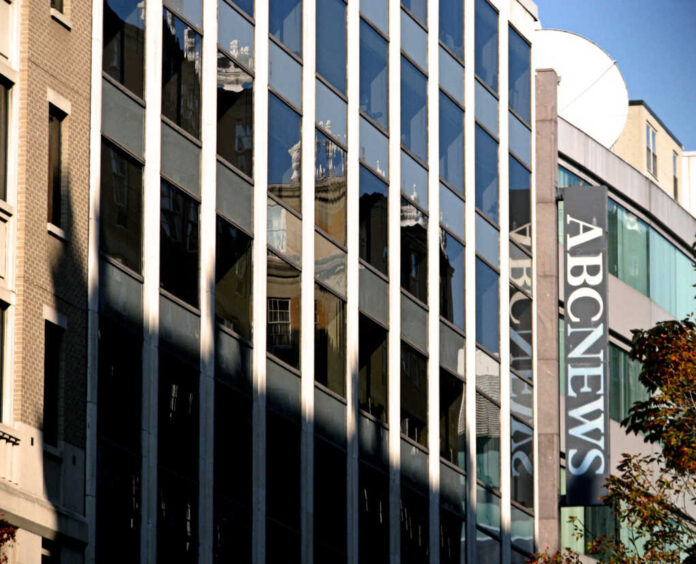
A new fault line in the ongoing tension between a president and the media has emerged after President Trump suggested revoking a major broadcaster’s license following a heated Oval Office exchange. The alarming threat, which followed an ABC News reporter’s question about the Jeffrey Epstein files, has ignited a national debate over the potential abuse of regulatory power, the protections of a free press under the First Amendment, and the future landscape of media regulation.
Story Highlights
- President Trump suggests revoking ABC’s broadcast license after a heated exchange.
- The exchange took place during an Oval Office event with Saudi Crown Prince.
- ABC News reporter Mary Bruce questioned Trump about the Epstein files.
- Trump’s remarks spark debate on press freedom and media regulation.
Trump’s Challenge to ABC News
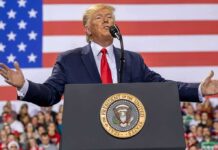
On November 19, 2025, during a diplomatic meeting with Saudi Crown Prince Mohammed bin Salman, President Trump suggested revoking ABC’s broadcast license. This followed an exchange with ABC News correspondent Mary Bruce, who questioned Trump about his decision to delay the release of the Jeffrey Epstein files. Trump’s reaction included criticisms of Bruce’s attitude and allegations of “fake news,” which he claimed justified his call to consider revoking ABC’s license.
The incident underscores the ongoing tension between Trump and mainstream media, particularly concerning sensitive topics like Epstein. This interaction highlights the adversarial relationship Trump maintains with the press, often accusing them of bias and negative coverage. Such exchanges raise concerns over potential executive overreach and the impact on press freedom.
President Trump just spent SEVERAL MINUTES eviscerating ABC and their “reporter” — calls for ABC’s broadcast license to be REVOKED. pic.twitter.com/hgvBeF2aGf
— Scott Adams (@scottadamsshow) November 18, 2025
Implications of Trump’s Remarks
Trump’s remarks have ignited a debate over the potential abuse of regulatory power and the constitutional protections of free press under the First Amendment. While the Federal Communications Commission (FCC) regulates broadcast licenses, revoking one for editorial content remains a rare and legally contentious action. Legal analysts agree that such a move would face significant constitutional challenges, emphasizing the protections afforded to media organizations.
The broader implications of Trump’s comments include a possible chilling effect on journalistic inquiry, as threats to licenses could become normalized. This scenario poses risks to journalists and media outlets committed to public accountability and investigative reporting. It also threatens to erode trust in media and government institutions, potentially intensifying partisan divides over media credibility and government transparency.
Reactions and Future Outlook
ABC News has yet to issue a formal response to Trump’s comments, while the FCC has not indicated any plans to take action against the broadcaster’s license. The incident remains a focal point in debates over press freedom and the balance of executive power. Industry specialists stress the importance of maintaining journalistic independence and warn against the dangers of politicizing media oversight.
As the situation develops, it remains crucial to monitor both the legal responses from media organizations and the FCC’s position on such threats. The incident’s resolution will likely shape the future landscape of media regulation and the ongoing discourse around press freedom in a politically charged environment.
Watch the report: Trump Threatens ABC Station Licenses After Epstein Questions
Sources:
Trump lashes out at ABC reporter over Epstein question, threatens to revoke network’s license
Trump calls for ABC broadcast licenses to be revoked after reporter’s question | Reuters
Trump again threatens ABC’s broadcast license, this time over Epstein questions – POLITICO
Trump’s anti-press outburst hits differently with a Saudi prince by his side | CNN Business