

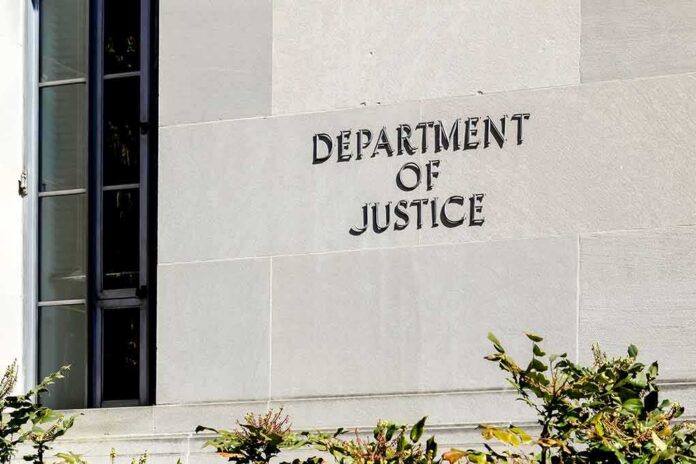
President Trump ordered the Justice Department to examine Democrats’ alleged “threats,” escalating a clash over where oversight ends and criminal coercion begins.
Story Snapshot
- Trump told the Justice Department to “look into” alleged Democratic threats tied to impeachment and donors.
- News outlets reported Trump provided no evidence identifying specific criminal communications.
- Democrats framed their actions as routine oversight, including letters and possible subpoenas.
- Published letters to White House ballroom donors sought records, not imprisonment.
What Trump Ordered And Why It Matters
On November 7, 2026, President Trump posted that Democrats were “threatening” people, including the attorney general, with impeachment and “other forms of punishment.” He wrote, “I am ordering the Department of Justice to look into this criminal act, immediately.” The post labeled the conduct “extortion at the highest level,” and singled out Democratic lawmakers. News reports said the statement did not include proof of specific threats or extortionary demands, which raises immediate questions about scope and evidence.
Reuters and other outlets reported that Trump’s directive lacked named messages or witnesses showing a crime, even as it called for fast action by the Department of Justice. That gap sets up a legal and political test: whether the department treats the order as an intake review or opens a formal case. The difference matters for public trust. A review can assess claims quickly. A formal criminal probe without clear facts could look like punishment of political rivals.
What Democrats Actually Sent And Said
Politico and others described Democratic plans to use hearings, document requests, and possible subpoenas as part of oversight. Leaders did not rule out impeachment but stressed investigations first. One focal point was a set of letters from Senator Richard Blumenthal to donors tied to the White House ballroom project. Those letters asked for records and warned of possible subpoenas for noncompliance. They did not threaten imprisonment, which undercuts Trump’s claim of criminal threats toward donors.
The Blumenthal letter collection is public and identifies recipients and sought materials. It shows a standard oversight path: request documents, then consider subpoenas if ignored. That is a common method for Congress to obtain information when assessing potential conflicts or improper influence. While tough in tone, the letters speak to process, not to jailing people. This documentary record is key to judging whether rhetoric crossed into a criminal threat, or stayed within normal legislative oversight.
The Line Between Oversight And Coercion
Congress has broad power to investigate, including sending letters, holding hearings, and issuing subpoenas. That power is implied by the Constitution and shaped by court decisions and long practice. Impeachment is also a constitutional tool that can serve investigative and accountability functions. These tools are not crimes by themselves. They become legal risks only if tied to unlawful demands, like extracting money or personal favors in exchange for stopping official action.
TRUMP ORDERS DOJ REVIEW OF ALLEGED POLITICAL THREATS
President Trump has directed the Department of Justice to review allegations of threats and pressure tactics directed at administration officials and allies. In a public statement, he specifically referenced Michigan Senator… pic.twitter.com/ZBGi36kLqV
— Jonathan Gregory (@TrumpNews_Baby) November 7, 2026
Trump’s post frames Democratic steps as extortion, a felony that needs specific elements, such as a wrongful demand for value. The available reporting cites no such exchange. Democrats frame their letters and talk of subpoenas as normal oversight after concerns about administration conduct. This tension is familiar in Washington. One side calls it accountability. The other calls it persecution. The key test is evidence of a concrete threat beyond hard-nosed politics.
Why Voters See A System Stacked Against Them
Many Americans on the right and left think the system protects insiders. They watch leaders trade charges of “weaponization” while costs rise and public services lag. This episode adds to that fatigue. If the Department of Justice races in without a clear case, people will see politics first. If Congress uses legal tools to score points, people will also see politics first. Either path can deepen the belief that elites fight each other, not for the public.
What To Watch Next
Watch whether the Department of Justice confirms a formal investigation, names a lead office, or treats this as an intake review. Look for any cited messages, emails, or calls that show a threat to donors or officials. Track whether Democrats continue to publish their letters and follow committee rules. Concrete documents, not posts, will decide if this is criminal coercion or hard oversight. Until then, the facts point to letters and subpoenas, not jailing threats.
Sources:
yahoo.com, politico.com, cnbc.com, trumpstruth.org, thehill.com, abcnews.com, academic.oup.com