
El Salvador said its helicopters helped level a 400 Mawozo stronghold in Haiti as police drones struck a compound tied to gang boss Wilson “Lanmò San Jou” Joseph.
Story Highlights
- President Nayib Bukele said forces destroyed the 400 Mawozo headquarters near Croix-des-Bouquets.
- Independent reporting says Haitian police drones led the strike, with Salvadoran troops and helicopters supporting.
- The raid followed the October 18 disappearance of four Salvadoran aviation technicians in Haiti.
- Gang leader Wilson Joseph sought United Nations talks as clashes intensified.
What Authorities Say Happened in the Raid
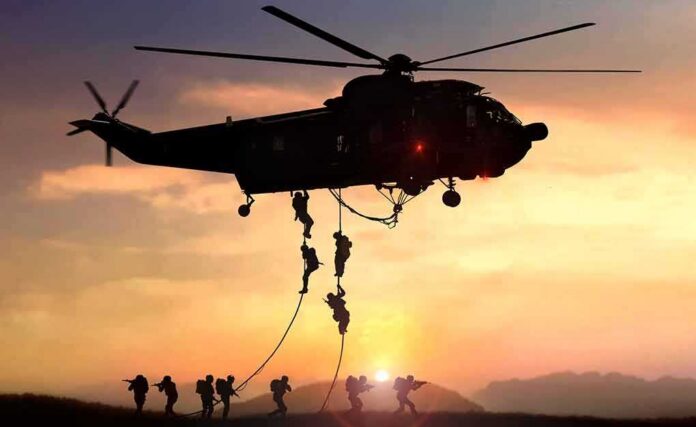
President Nayib Bukele posted that Salvadoran forces destroyed the house of Wilson “Lanmò San Jou” Joseph and the 400 Mawozo headquarters, sharing video of helicopters firing on a large compound near Croix-des-Bouquets. The Miami Herald reported that a Haitian National Police drone task force carried out the primary strike, with four helicopters overhead, including two flown by Salvadoran personnel. Haitian government statements praised the action, which targeted a known 400 Mawozo stronghold.
Reporters identified the site as a residence or operational hub used by Joseph, whose gang is infamous for kidnappings and roadblocks around the capital region. Accounts from the scene described the compound taking heavy fire from drones and aircraft as ground units pressed the assault. The timing followed weeks of stepped-up operations against armed groups around Port-au-Prince. Officials did not issue a full timeline of the strike or release a public after-action report.
Why El Salvador Is in Haiti Right Now
El Salvador surged forces into Haiti after four Salvadoran aviation technicians disappeared in an armed attack on October 18 near Port-au-Prince, according to the United Nations. The UN said most additional Salvadoran personnel were not under the mandate for the international Gang Suppression Force, which limits what the UN can confirm about their activities and oversight. That gap matters for questions about who authorized targets and how force was controlled during the raid.
The troop buildup has shaped the politics of the mission. Supporters point to quick action against gangs that terrorize neighborhoods and disrupt aid routes. Critics focus on command lines, rules of engagement, and risks to civilians if strikes expand without clear coordination. The basic facts of the raid are not in dispute, but officials have not released casualty lists or a detailed public accounting of damage at the site.
The Gang Leader’s Response and What Comes Next
Wilson Joseph, also known as “Lanmò San Jou,” told the Associated Press he sent a letter to the United Nations on November 1 seeking dialogue between international forces and 400 Mawozo amid the clashes. United Nations communications acknowledged the widening conflict and reiterated a focus on restoring security, while keeping institutional distance from Salvadoran deployments outside the formal mandate. That stance underscores concerns about accountability as more actors join operations in Haiti.
Haiti 🇭🇹 and El Salvador 🇸🇻 Hammer 400 Mawozo Gang Stronghold in Joint Airstrike
Security forces in Haiti teamed up with El Salvador's military early Sunday to unleash a helicopter and kamikaze drone assault on a compound outside Port-au-Prince used by notorious 400 Mawozo gang… pic.twitter.com/orkUhbtnUF
— Sagive 𓂆 (@SagivEnduser) November 10, 2026
For Americans watching from home, the story hits familiar nerves. People want gangs stopped, roads reopened, and kidnappings ended. But they also want clear lines of authority, real transparency, and care for civilians. This raid shows both sides of that balance. Haitian police and Salvadoran troops teamed up and hit a major target. Now the hard work is proving who did what, under which rules, and how success will be measured beyond one strike.
Sources:
youtube.com, news.un.org, apnews.com, globalsecurity.org, latinamericadailybriefing.substack.com, bbc.com