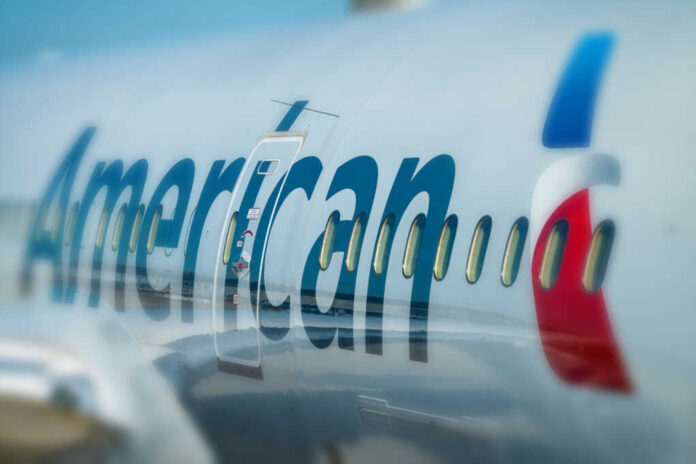
On October 14, 2025, an American Airlines flight en route to JFK International Airport from Los Angeles International Airport (LAX) made an emergency return to LAX after passengers and crew reported experiencing symptoms consistent with exposure to fumes in the aircraft cabin. This incident follows a similar event involving a Delta Airlines flight earlier the same week, prompting increased scrutiny of air quality and safety protocols within commercial aviation.
Story Highlights:
- American Airlines Flight 274 returned to LAX due to reports of fumes in the cabin.
- Pilots utilized oxygen masks and reported tasting the fumes before a safe landing.
- Seven passengers received medical evaluations; none required hospitalization.
- A subsequent aircraft inspection found no hazardous substances.
- This marks the second reported fume incident for a major airline within one week.
Emergency Return and Initial Response
American Airlines Flight 274 departed LAX for JFK International Airport on October 14, 2025, when individuals on board began reporting symptoms related to cabin fumes. The flight crew initiated an emergency return to LAX, with pilots reportedly donning oxygen masks and communicating a taste of contamination. Upon landing, the Los Angeles Fire Department paramedics evaluated seven passengers, none of whom required hospitalization.
Investigation and Industry Context
Following the incident, American Airlines removed the aircraft from service for a comprehensive inspection. The inspection did not detect any hazardous substances, despite the reported symptoms from multiple individuals.
This event occurred shortly after a Delta Airlines flight experienced similar issues with cockpit smoke, necessitating an emergency landing at Heathrow Airport. These types of incidents, referred to as “fume events,” have been documented in commercial aviation over several decades, often linked to oil contamination or other pollutants entering ventilation systems. Regulatory bodies have increased their attention to the frequency of such occurrences, particularly as flight crews report ongoing health concerns from repeated exposure to cabin air quality issues.
Current aircraft air filtration systems are effective against pathogens but may not adequately address chemical contaminants that can cause acute symptoms. The aviation industry’s approach to these incidents has often focused on post-event inspection rather than proactive monitoring.
Airline and Regulatory Response
American Airlines issued a statement acknowledging the disruption to customers’ travel plans and apologizing for the inconvenience. The Federal Aviation Administration (FAA) maintains an oversight role in such incidents. Passenger advocacy groups have called for stronger preventive measures and increased transparency in fume event investigations. The current system primarily relies on airline self-reporting and internal maintenance protocols.
Watch the report: Cabin Fumes, SICK PASSENGERS Cause AA Crew to Turn Back to DFW [ATC audio]
Sources:
American Airlines incident fumes – The Express