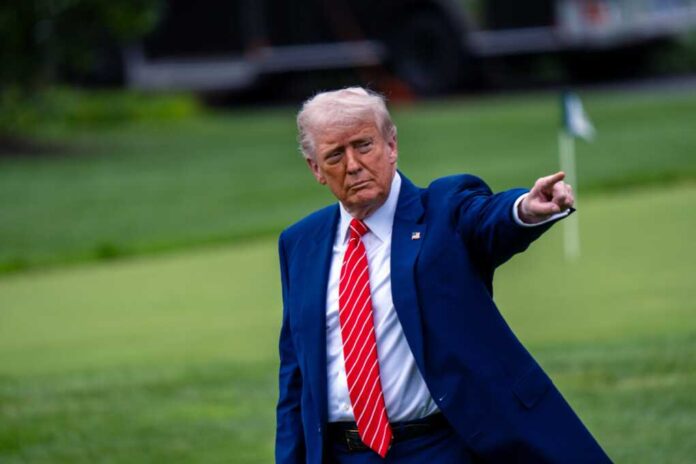
Donald Trump’s appearance at the US Open final sparked loud boos, disrupted play, and raised questions about politics intruding on sport.
At a Glance
- Trump appeared at the US Open men’s final on September 7, 2025.
- Loud boos erupted when he appeared on the stadium screen.
- The USTA asked broadcasters to suppress crowd reactions.
- Security delays tied to Trump’s arrival pushed back the match start.
The Entrance and the Boos
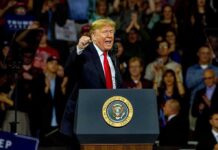
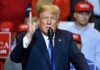
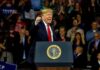
When Trump entered Arthur Ashe Stadium, boos rolled through the arena. The reaction peaked when his face filled the jumbotron during the national anthem. Cheers did surface, but they were swallowed by the jeers echoing under the roof.
The United States Tennis Association had warned networks not to highlight disruptions. The aim was to keep the focus on the match between Carlos Alcaraz and Jannik Sinner. Yet ESPN and ABC broadcast the noise as it overwhelmed the anthem, making it impossible to mute.
Watch now: Donald Trump Get Booed & Cheered at U.S. Open Men’s Final
Crowds at the Open have long been vocal, but this scene crossed into raw politics. Trump had not attended the event in a decade. His return was framed less as fandom, more as a staged political show.
Security Delays and Fan Frustration
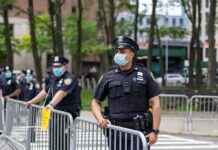
Trump’s arrival brought a massive security sweep. Fans waited in long lines while Secret Service teams secured entrances. Reports put the delay between thirty and forty-eight minutes.
The men’s final, a marquee moment for the sport, started late. Agitation inside the stadium built before Trump even appeared. The boos that followed were likely sharpened by this disruption.
Some attendees posted videos of the crowd’s impatience outside the gates. The frustration fed into the louder than usual rejection once Trump was visible on screen. The delay made his presence a central part of the evening narrative.
Media Handling and Fallout
Broadcasters faced pressure to walk a line. The USTA did not want the event overshadowed, yet the live feed betrayed the reality inside the stadium. The boos came through clearly, repeated at several points during the match.
Commentators such as Laura Robson acknowledged the reaction, sparking debate online. Her remark that the boos defined the moment went viral, bringing more attention than the play on court. Critics saw her words as confirmation of sport becoming theater for protest.
Analysts suggested Trump sought exactly this outcome. The loud dissent reinforced his combative political image. A night designed for tennis turned into a display of public division, with Trump again at the center.
A Match Overshadowed
Alcaraz and Sinner contested a tight final, yet much coverage focused on the atmosphere. New York crowds had booed Trump at the Open before, back in 2015. This year’s encore showed little had changed.
Writers framed the boos as a snapshot of polarized America. On one side, loyal cheers, on the other, a roar of disapproval. The mix reflected the political trench lines that now spill even into a tennis arena.
For the USTA, the effort to silence dissent on broadcasts backfired. The attempt only amplified scrutiny, fueling headlines about censorship, fan fury, and the risks of mixing politics with sport.
Sources