The Justice Department is now stripping citizenship from naturalized Americans at a pace never seen before in modern history — and a Tennessee congressman wants to make it permanent law.
Story Snapshot
- Rep. Andy Ogles introduced the Remigration Act to make it easier to strip citizenship from naturalized Americans convicted of serious crimes or fraud.
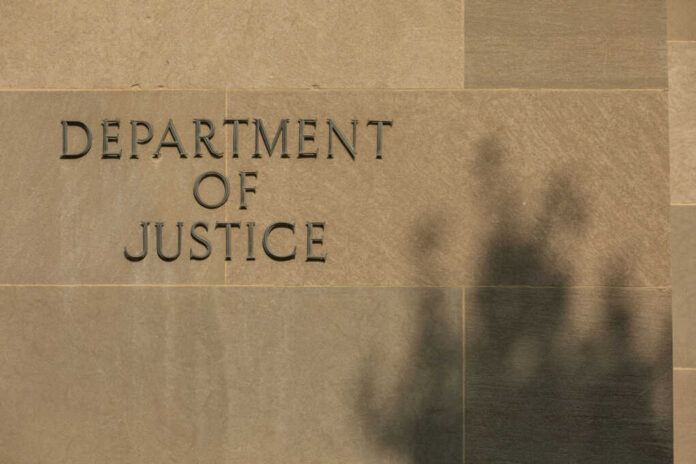
- The Justice Department filed 15 denaturalization complaints in May 2026 alone — more than the entire yearly average for most of the past three decades.
- A 2017 Supreme Court ruling requires that fraud must have directly caused someone to get citizenship — a legal bar the DOJ’s expanded rules may not clear.
- The DOJ shifted most cases from criminal to civil court, where defendants have no right to a government-appointed lawyer and the burden of proof is lower.
Ogles Pushes to Codify Denaturalization in Law
Tennessee Representative Andy Ogles went on Newsmax in March 2026 to call for deportation and denaturalization of naturalized citizens who commit crimes or fraud against the government. He has also introduced the Remigration Act, a bill that would create a formal legal path for revoking citizenship from naturalized Americans found guilty of serious offenses. Ogles argues the country cannot protect its citizens if it cannot remove bad actors who cheated their way into citizenship.
Ogles has also pushed a broader immigration overhaul that would end chain migration — the practice of sponsoring extended family members — and eliminate the diversity visa lottery. Together, these proposals represent one of the most sweeping legal immigration reform packages introduced in Congress in years. Whether they gain enough support to pass in the Republican-controlled House and Senate remains to be seen.
DOJ Ramps Up Citizenship Revocation to Historic Levels
Between 1990 and 2017, the Justice Department filed an average of just 11 denaturalization cases per year. During President Trump’s first term, that number rose to 42 per year. In May 2026, the DOJ filed 15 cases in a single month — a dramatic jump that signals a sharp change in how aggressively the government is pursuing this tool. The clearest example is the case against Emmanuel Oluwatosin Kazeem, accused of leading a massive identity theft and tax fraud ring. The DOJ filed a civil complaint to strip his citizenship on the grounds that his criminal conduct made him ineligible for naturalization in the first place.
President Trump made his position clear at the Detroit Economic Club in January 2026, saying his administration would revoke citizenship from naturalized immigrants convicted of defrauding American citizens. The Justice Department backed that up with a memo issued June 11, 2025, making denaturalization one of its top five enforcement priorities and directing attorneys to pursue it in every case the law and evidence allow. The memo also expanded the types of conduct that could trigger a case — including crimes committed after someone became a citizen, used as retroactive evidence of fraud during the naturalization process.
Legal Guardrails Could Slow the Push
The Supreme Court drew a clear line in its 2017 ruling in Maslenjak v. United States. The Court said the government can only strip citizenship if the fraud directly caused someone to receive it. Simply lying on a form is not enough — the lie must have been the reason citizenship was granted. Critics argue the DOJ’s new memo conflicts with that standard by pointing to crimes that happened after naturalization as proof of earlier fraud.
There is also a procedural concern that cuts across party lines. The DOJ has moved most of these cases from criminal court to civil court. In civil cases, defendants have no constitutional right to a court-appointed lawyer, and the government only needs to prove its case by “clear and convincing” evidence rather than “beyond a reasonable doubt.” That lower bar makes it easier to win — but it also raises real questions about fairness, especially for people who may have made paperwork errors rather than committed deliberate fraud. For Americans who already distrust a system they believe protects the powerful, that gap in legal protection is hard to ignore.
Sources:
townhall.com, foxnews.com, newsmax.com, bipartisanpolicy.org, justice.gov, law.cornell.edu, ilrc.org, yalelawjournal.org, aila.org