New York City’s mayor says he’s saving bodegas and wallets, but his $70 million “public grocery” experiment may end up using taxpayer money to undercut the very corner stores he praises.
Story Snapshot
- The city will spend about $70 million to build five taxpayer-funded grocery stores that pay no rent or property taxes.
- Supporters say the plan will cut prices and fix food access; critics warn it rigs the game against bodegas and small grocers.
- Key sites, including East Harlem, already have grocery options, raising doubts that this is only about “food deserts.”
- City officials admit they have done no formal small‑business impact study, even as costs reach tens of millions per store.
What Mamdani’s “Public Option” Grocery Plan Really Does
Mayor Zohran Mamdani is pushing a network of five city-owned grocery stores, one in each borough, as a “public option” for food meant to keep prices low rather than earn a profit.[4] The city will own the land, pay for construction, and cover big overhead costs like rent so a private operator can sell staples more cheaply than regular stores.[4] On paper, this sounds like help for families squeezed by years of rising grocery prices.
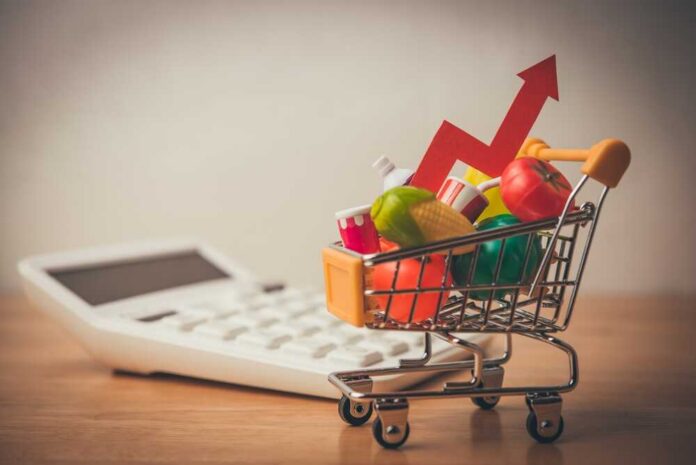
The numbers behind the plan show how aggressive the subsidies are. New York City has set aside about $70 million in capital money for the five stores, with the East Harlem La Marqueta location alone carrying a $30 million price tag for a 9,000‑square‑foot store.[4][2] That works out to more than $3,000 per square foot in public construction costs.[2] Unlike private grocers, these stores would not pay rent or property taxes, which is exactly how they are supposed to beat competitors on price.[2][4]
Why Bodega Owners See an Unfair Fight
For many New Yorkers, bodegas are not just businesses; they are neighborhood lifelines. That is why so many owners, especially immigrants and minorities, are sounding the alarm about Mamdani’s plan.[18] They argue that when City Hall builds a shiny new supermarket that does not pay rent or property tax, it stacks the deck against every small shop that does.[2] Critics say the city is using taxpayer money to create direct competition for stores that already struggle with thin profit margins and rising costs.[6]
These owners are not only talking in theory; they fear losing their actual customers. Public reports describe concern that the government-backed stores will offer “rock-bottom” prices that bodegas cannot match because the city absorbs the biggest bills.[1] A Vital City analysis warns that public stores “will pay no rent and no property taxes,” advantages that none of the thousands of private food sellers in the city receive.[2] That writer says lower prices, if they appear, will come only from constant subsidies that small businesses cannot access.[2]
Food Deserts, Or City-Subsidized Competition?
Mamdani argues that the grocery network is about fixing “food deserts” and improving access in poor neighborhoods, starting with a large 20,000‑square‑foot store set to open in Hunts Point in the Bronx.[3] That site sits inside an affordable housing project in a high‑poverty area, and the city frames it as a way to bring lower‑cost staples closer to residents who often travel far for full‑service supermarkets.[3] Many New Yorkers across the political spectrum agree that food access in these neighborhoods is a real problem.
The East Harlem location tells a different story. The La Marqueta store, planned for 2029, will be built in an area that critics say is “hardly a ‘food desert.’”[2][4] There are already grocery options within a short walk, meaning the new public supermarket may not be filling a gap so much as entering an already competitive market.[2] That is why business groups and commentators say this looks less like emergency help and more like the city choosing winners and losers in the private economy.[1][2]
Missing Impact Study, Growing Public Skepticism
Despite the high price tag and clear competitive edge these stores will enjoy, city officials admit they have not completed a serious study on how the plan will affect nearby small businesses.[13] That means no one at City Hall can say, with data, whether neighborhood bodegas will survive or lose customers once subsidized stores open. For many voters who already feel ignored by “experts,” this feeds the sense that the political class experiments first and worries about the fallout later.
This fight taps into a deeper frustration shared by both conservatives and liberals. Supporters of the plan see corporate grocery chains and big landlords driving up prices while families fall behind.[16][15] Critics see a different elite failure: a city government pouring tens of millions into a risky retail scheme while small, taxpaying shops get buried under regulations, crime, and higher bills.[2][6] On both sides, people suspect that the real winners will be consultants, developers, and political insiders—not the cash‑strapped shoppers or the corner stores that have served them for decades.
Sources:
[1] Web – The Mayor Who Loves Bodegas Is Building Taxpayer-Funded Competitors
[2] Web – Mamdani’s East Harlem grocery store site already got $25M in NYC …
[3] Web – How Mamdani’s Government-Backed Grocery Stores Will … – Vital City
[4] Web – Mamdani’s First City-Owned Grocery Store Is Planned for the South …
[6] Web – Mamdani’s Plan for Government-Run Grocery Stores: Will It Help?
[13] Web – Zohran Mamdani’s plan for city-run grocery stores draws pushback …
[15] Web – New York City Mayor Zohran Mamdani announced that East Harlem …
[16] Web – Experts slam Mamdani’s taxpayer-funded grocery stores – Yahoo
[18] Web – How City-Owned Grocery Stores Can Tackle Food Insecurity