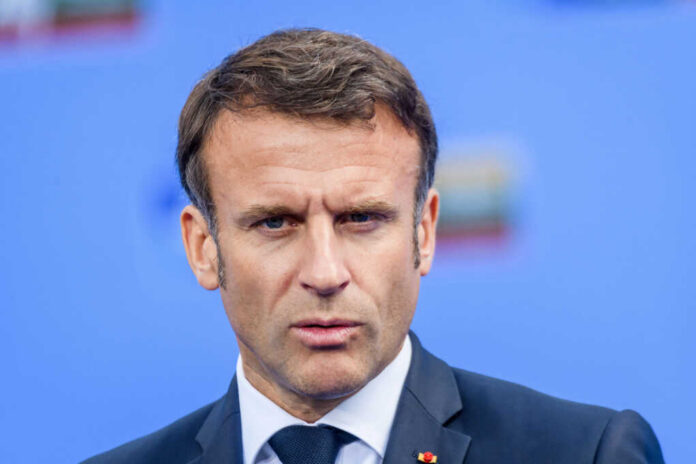
Two bombs exploded near the Damascus hotel where French President Emmanuel Macron had stayed during his landmark visit to Syria, underscoring the country’s continuing security challenges as Western governments expand ties with its new leadership.
Story Snapshot
- Two blasts in central Damascus wounded 18 people near the hotel where Macron had stayed, exposing major security gaps during a high-profile visit.
- Macron’s trip, backed by French energy and shipping giants, aims to lock in lucrative reconstruction and infrastructure deals in post‑Assad Syria.
- The visit makes Macron the first European Union leader to openly embrace Syria’s new Islamist‑linked president Ahmed al‑Sharaa, whose rise followed the fall of Bashar al‑Assad.
- The attack renewed debate over balancing security, diplomacy, and economic engagement with Syria’s new government.
Blasts Hit Damascus As Macron Showcases New Ties
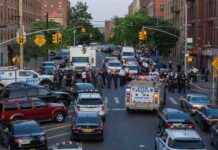
Two explosions struck near the Four Seasons Hotel in central Damascus, close to where French President Emmanuel Macron had spent the night during his historic visit to Syria. Local reports say at least 18 people were wounded, including civilians and professionals leaving nearby offices, as security forces and medical teams rushed to the scene. The blasts did not injure Macron, but they immediately led Syrian authorities to cancel parts of his schedule in the city, including planned neighborhood tours and public events.
Macron’s trip was billed as a major moment in Syria’s return to the world after the Assad regime fell in late 2024 and Islamist‑led forces took power. French and regional media had already framed the visit as a “landmark” and “historic,” with Macron cast as the first Western head of state to meet openly with President Ahmed al‑Sharaa in Damascus. The bombs, striking within earshot of his hotel, turned that symbolism on its head and highlighted how fragile security in the capital remains.
From War To Business: What Macron Came To Do
French government plans and regional reporting show Macron came to Damascus with a clear twin mission: tighten political ties and open doors for French business. He is traveling with senior executives and investors from major French companies, including energy firm TotalEnergies and shipping giant CMA CGM, to explore reconstruction, offshore energy, and port management deals. These firms already have understandings or long‑term agreements for offshore exploration and for running the port of Latakia and dry ports near Damascus and Aleppo.
The visit builds on earlier moves. In May 2025, Macron hosted al‑Sharaa in Paris and promised to push both the European Union and the United States to ease or lift sanctions on Syria’s new government. Since then, many of the most damaging sanctions have been relaxed or removed, clearing the way for foreign investment. Analysts say France is seeking to establish an early role in Syria’s reconstruction alongside other regional and international investors.
A New Syrian Leader With A Hard Past
The political backdrop to this visit is uneasy. Al‑Sharaa rose to power after an opposition alliance led by the group Hayat Tahrir al‑Sham toppled Bashar al‑Assad’s regime in December 2024. Hayat Tahrir al‑Sham has historic links to al‑Qaeda, and Western think‑tank studies describe a tense effort to turn this former insurgent movement into a governing force while large parts of Syria remain under non‑government or Kurdish control. That history fuels criticism that France and other Western states are normalizing a leadership many still see as tainted by jihadist roots.
Since taking office, al‑Sharaa has tried to present himself as a pragmatic statesman, traveling to Paris, Washington, and the United Nations and cutting deals to integrate Kurdish‑led Syrian Democratic Forces into a unified national army. At the same time, experts warn that old patterns of abuse and central‑versus‑periphery tensions could repeat under the new rulers. Critics argue Western governments risk overlooking unresolved human-rights concerns and the new leadership’s past while pursuing diplomatic and economic engagement.
Security, Kurds, And Sanctions: The Fault Lines
The twin bomb attack underscores a basic fear shared by many ordinary people: leaders keep declaring “new eras,” yet violence and instability remain close to the surface. Crisis‑group reporting has already warned that restoring security in post‑Assad Syria is uneven and heavily dependent on regional power plays. The fact that attackers could strike in the center of the capital, near a hotel hosting a major Western president, suggests that armed groups or spoilers still have the means to send brutal messages when foreign dignitaries arrive.
Aftermath of the Damascus explosions
Syrian security personnel and Red Crescent teams responded after two blasts injured 18 people near the hotel where French President Emmanuel Macron had stayed.
Macron was unharmed and later met interim President Ahmed al-Sharaa, saying his… pic.twitter.com/QRmyUc8BJ4
— SAMAA TV (@SAMAATV) July 7, 2026
Beyond bombs, Macron’s agenda touches sensitive issues that anger both conservatives and liberals at home. For conservatives, deeper business deals and sanctions relief with a former Islamist commander look like another elite gamble that may risk terrorism and migration shocks later. For many on the left, working hand‑in‑glove with energy and shipping giants in a war‑scarred country raises fears of corporate exploitation and widening gaps between rich and poor. The unresolved status of Kurdish autonomy, the integration of their forces under Damascus’s control, and disputes over repatriating foreign fighters’ families add further strain.
Why This Matters Far Beyond Syria
Macron’s Damascus visit sits inside a larger rush by Western and regional powers to re‑enter Syria now that Assad is gone. Studies of the transition show at least a dozen diplomatic missions in the past year and a half, all trying to secure influence, energy access, and reconstruction contracts before competitors do. In the United States, President Donald Trump has already lifted most economic sanctions on Syria to “give Syria a chance,” while keeping restrictions on figures from the old regime. Europe is moving more slowly, but Macron is clearly trying to put France in the lead.
The visit illustrates the difficult balance between encouraging Syria’s recovery and managing the security and political risks that remain after years of conflict. The bombs in Damascus did not hit Macron, but they did injure 18 Syrians going about their lives and forced a quick reset of a visit that was supposed to show that the war years were past. Instead, the blasts highlighted how quickly violence can return and how fragile promises of “stability” and “business as usual” really are when deep political and social wounds remain.
Sources:
insiderpaper.com, i24news.tv, apnews.com, jpost.com, youtube.com, reuters.com, dailymotion.com, facebook.com, liberties.aljazeera.com