Europe may yank hundreds of millions in aid to Sierra Leone over a Dutch narco fugitive, exposing how Brussels uses taxpayer cash as leverage while cocaine floods the West.
Story Snapshot
- The Netherlands is pressing the European Union to cut Sierra Leone aid until it acts on Dutch trafficker Jos Leijdekkers [2].
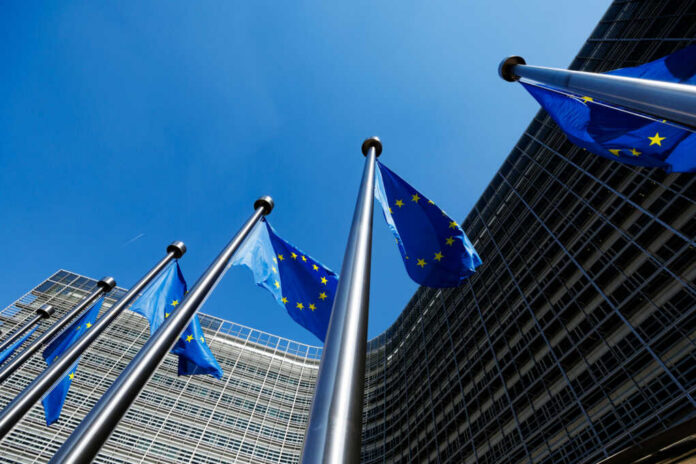
- The European Commission set aside about €352 million in grants for Sierra Leone from 2021 to 2027 [5].
- Dutch officials say months of diplomacy stalled, so financial pressure is next [2].
- Reports differ on the exact number, but both €325 million and €352 million figures appear in coverage [2][6].
Dutch Pressure Tied to a High-Profile Drug Fugitive
Dutch Justice Minister David van Weel said talks with Sierra Leone about extraditing Dutch national Jos Leijdekkers hit a wall. He said the government will now try to push the European Union to use its aid budget as leverage. Media in the Netherlands reported the shift came after months without progress. This move links development cash to law enforcement cooperation in a very public way. It raises questions about how Europe wields aid in crime fights abroad [2].
Leijdekkers, known as “Bolle Jos,” has been tied in reporting to major cocaine trafficking cases. Dutch outlets say he remains at large and that Sierra Leone has not delivered action that satisfies The Hague. The Netherlands offers almost no direct aid to Sierra Leone, so European Union funds are the pressure point. The Dutch proposal aims to halt or reduce that flow until Sierra Leone cooperates on extradition steps tied to the case [2].
How Much Money Is at Stake and Why It Matters
The European Commission describes a €352 million grant package for Sierra Leone for 2021 through 2027. That money targets governance, democracy, jobs, and human development. Some reports cite a €325 million figure, showing variance across coverage. The core point remains the same: a large, multi‑year aid stream is in play. If reduced or paused, projects tied to basic services and reforms could face delays or cuts, depending on how the European Union structures any decision [5][2][6].
Dutch media say diplomatic pressure began earlier this year and did not achieve results. That set the stage for using money to force the issue. This tactic mirrors broader trends in “aid conditionality,” where donors link funds to cooperation on security, rule of law, or governance. Supporters argue it defends taxpayers and deters crime networks. Critics warn it can punish citizens more than leaders and weaken Western influence on the ground if programs stall [2].
Sierra Leone’s Response and the Evidence Gap
Sierra Leone has pushed back on claims it protects Leijdekkers, according to regional coverage, but detailed public records are thin. The available reports do not show arrest warrants, court filings, or clear extradition steps taken by authorities. Dutch accounts also state that talks stalled for months, and that claim has not been publicly rebutted with documents. This lack of concrete, public proof makes the European Union debate sharper and the stakes higher [2][3].
🚨 Sierra Leone Risks Losing €352m in EU Funding
The Netherlands has called on the European Union to cut development aid to Sierra Leone over its failure to extradite fugitive drug trafficker Jos Leijdekkers, known as "Bolle Jos."
The move could put €352 million in funding at…
— AfricanQuarters (@AfricanQuarters) June 4, 2026
Several outlets in the region frame the issue as a test of political will and anti‑corruption claims. They highlight suspicions about elite protection in the drug trade. These are serious charges, and they travel fast in the media. But the hard legal trail matters most. Until court records or official filings surface, the European Union’s decision will hinge on internal briefings, police cooperation notes, and member state pressure led by the Netherlands [3][2].
What This Means for U.S. Readers and Conservative Values
American readers know the cost of cocaine on our streets and at our border. When foreign partners stonewall on top targets, cartels profit and violence spreads. Conditioning aid on real cooperation is common sense. Europe’s debate shows a tool Washington also uses: tie funds to results. The goal is not to abandon the poor. The goal is to stop governments from ignoring traffickers while asking Western taxpayers for more money and trust [5][2].
Conservatives should watch two things. First, verify outcomes. If Sierra Leone takes clear legal steps, pressure should ease in a measured way. Second, demand transparency from Brussels. Publish the benchmarks and timelines so citizens see what success looks like. That approach protects taxpayers, squeezes drug networks, and avoids blank checks that feed waste or corruption. It respects the rule of law and backs law enforcement without signing up for endless spending with no proof of progress [5][2].
Next Steps Inside the European Union
The Netherlands must persuade other member states and the European Commission to act. Officials will weigh the legal basis, the timing, and the scope of any cut or suspension. They will also map which projects would pause first and how to shield the most vulnerable if changes occur. Expect debate over the size of the package, given the €325 million and €352 million figures cited in different reports, and how to calibrate any pressure tool [2][5][6].
Bottom line for readers: this case is a stress test for aid as leverage against transnational crime. If Sierra Leone cooperates with documented steps, funds can continue with stricter oversight. If it does not, the European Union may tighten the purse strings. Either way, the message is clear. Western taxpayers should not bankroll governments that fail to help stop cocaine pipelines that harm our communities and fuel lawlessness across borders [2][5].
Sources:
[2] YouTube – Netherlands Moves to Cut €325 Million EU Aid to Sierra Leone Over …
[3] Web – Government pushes EU to cut Sierra Leone aid over drug smuggling
[5] YouTube – US to Close Embassy in Freetown, EU Cuts Aid to Sierra Leone
[6] Web – Sierra Leone – International Partnerships – European Commission