Federal law enforcement agencies including the FBI, CBP, and NYPD circulated training materials claiming common emojis like trains, swords, and strawberries could indicate Venezuelan gang membership, sparking outrage from those who called the practice “baseless” and dangerous to civil liberties.
Story Highlights
- FBI, CBP, Army, and NYPD distributed reports linking everyday emojis to Tren de Aragua gang affiliation
- Immigration attorneys condemned the practice as “ludicrous” and potentially harmful
- Four separate law enforcement reports disseminated emoji indicators between 2024-2025
- DHS defended intelligence practices but provided no evidence supporting emoji claims
Federal Agencies Circulate Unsubstantiated Emoji Guidelines
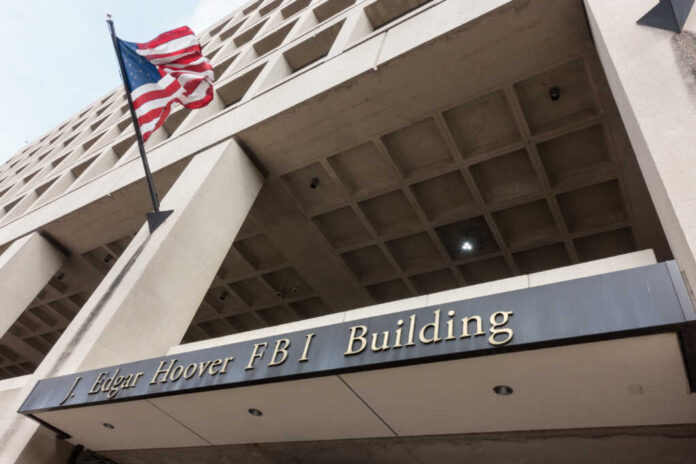
Internal records obtained through transparency requests revealed that multiple federal agencies distributed training materials suggesting that basic emojis could signal gang membership. The FBI led briefings in December 2024, sharing these questionable indicators with the Army National Ground Intelligence Center and other agencies. CBP later amplified these claims in March 2025 briefings, while the NYPD incorporated similar guidance into their internal materials.
Oh, FFS.
US law enforcement claimed emojis could signal Tren de Aragua affiliationhttps://t.co/vODLntry00— Jeff (Gutenberg Parenthesis) Jarvis (@jeffjarvis) September 20, 2025
Community Condemns Baseless Intelligence Methods
Gang specialists and immigration attorneys delivered scathing criticism of the emoji-based identification system. These professionals characterized the approach as fundamentally flawed, warning that such practices mirror previous controversial uses of tattoos as gang indicators that led to wrongful deportations. The lack of supporting evidence for these digital markers raised serious concerns about due process violations and potential civil rights abuses.
Constitutional Concerns Over Digital Surveillance Overreach
The emoji controversy highlights broader constitutional issues regarding government surveillance and free expression. Law enforcement’s attempt to criminalize common digital symbols represents a troubling expansion of federal power that could chill social media expression and violate First Amendment protections. Venezuelan immigrants and asylum seekers face particular risk of misidentification under these unproven methods, potentially leading to wrongful targeting and deportation proceedings.
Trump Administration Doubles Down on Gang Threat Narrative
Despite criticism, the Trump administration continues citing Tren de Aragua to justify aggressive immigration enforcement and military actions. DHS officials defended their intelligence practices while declining to provide specific evidence supporting the emoji indicators. This approach aligns with the administration’s broader strategy of highlighting transnational gang threats to build public support for stricter border security measures and expanded law enforcement powers.
Sources:
Revealed: US law enforcement claimed emojis could signal Tren de Aragua affiliation
Reuters reporting fails to mention Biden administration released two Tren de Aragua
ICE arrests Tren de Aragua gang member illegally residing in Houston area
Tren de Aragua Venezuelan gang Trump