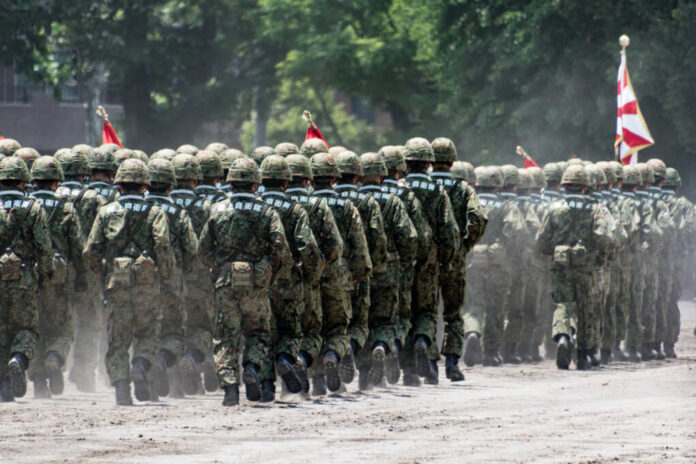
Japan’s unprecedented deployment of military troops to combat daily bear attacks demonstrates what decisive government action looks like when citizens face genuine threats to their safety and livelihoods.
Story Highlights
- Over 100 people have reportedly been attacked and 12 killed by bears since April 2025, Japan’s deadliest wildlife crisis on record
- Japanese Self-Defense Forces deployed to Akita and Iwate prefectures to patrol towns and assist hunters
- Bears threatening schools and tourist areas, forcing closures and devastating local economies
- Crises are attributed to climate disruption, food shortages, and rural depopulation, leaving communities vulnerable
Military Intervention Shows Strong Leadership
Prime Minister Sanae Takaichi declared the bear crisis a national priority and deployed Japan Self-Defense Forces to northern prefectures in November 2025. Military personnel actively patrol affected towns, set traps, and support local hunters in containing the threat. This decisive action protects families and communities when local resources proved insufficient, demonstrating how government should respond to genuine public safety emergencies rather than manufactured crises.
Japan has deployed military troops to help contain a surge of deadly bear attacks in the northern prefecture of Akita.
At least 12 people have been killed and over 100 injured across Japan since April, as bears forage for food near residential areas ahead of hibernation.
The… pic.twitter.com/qHEFnkF8YY
— True Crime Updates (@TrueCrimeUpdat) November 6, 2025
Record Death Toll Exposes Rural Community Vulnerabilities
Since April 2025, bears have killed twelve people and attacked over one hundred others across Akita and Iwate prefectures. Bears entered homes, attacked shoppers, and threatened schools and tourist destinations, creating widespread fear among residents. Rural depopulation left these communities with fewer hunters and more abandoned land, making them particularly vulnerable to wildlife encroachment. Hardware stores report surging sales of bear deterrents, including bells, sprays, and alarms, as citizens take personal responsibility for protection.
Environmental and Economic Factors Drive Crisis
Poor acorn harvests reduced natural food sources, forcing bears to seek sustenance in populated areas. Warmer winters disrupted hibernation patterns, keeping bears active when they should be dormant. These environmental disruptions highlight how natural changes, not political posturing, create real challenges requiring practical solutions.
School closures and restricted outdoor activities disrupted daily life while tourism declined in affected regions. Local businesses suffered economic losses as visitors avoided areas known for bear encounters. The crisis demonstrates how environmental factors can devastate rural economies already struggling with demographic decline, emphasizing the need for policies supporting rural communities rather than abandoning them.
Effective Response Prioritizes Citizen Safety
Government officials increased hunting quotas and implemented faster response times to contain the threat. Military support continues through November 2025, ensuring adequate resources remain available for community protection. This approach contrasts sharply with bureaucratic inaction that often characterizes government responses to citizen concerns, showing how leadership prioritizes real safety over political theater.
Watch the report: Japan Deploys Military Amid Growing Deadly Bear Attacks | Vantage with Palki Sharma | N18G
Sources:
Japan sends in the military to deal with surge in bear attacks
Japan deploys troops after wave of deadly bear attacks
Japan deploys the military to counter a surge in bear attacks
Japan deploys military after record bear attacks across country