
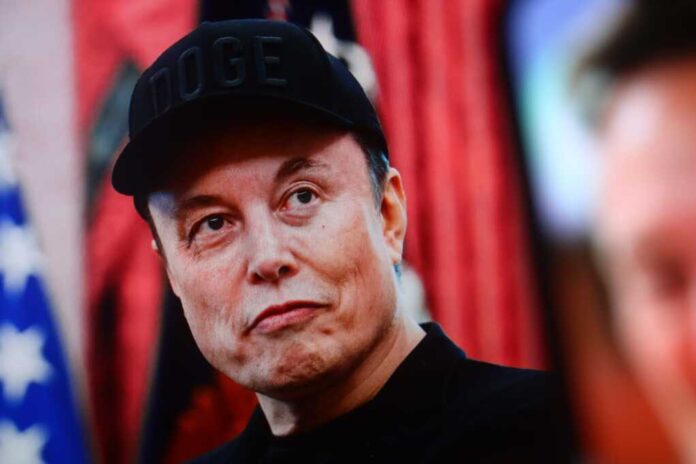
A federal judge has just opened the door for Elon Musk to drag Sam Altman’s OpenAI and its Big Tech backers before a jury, putting the credibility of elite tech “trust us” promises on trial. The core of Musk’s 2024 lawsuit, now cleared for a March trial, argues that he funded OpenAI based on assurances it would remain a nonprofit serving humanity, not a profit machine tied to Big Tech. This high-stakes case could expose whether powerful tech leaders misled donors and the public about AI’s true mission, and a verdict against OpenAI or Microsoft could fundamentally reshape how AI giants handle money, power, and public-benefit claims.
Story Highlights
- A U.S. judge ruled Elon Musk’s lawsuit against OpenAI, Sam Altman, Greg Brockman, and Microsoft will go to a jury trial in March.
- Musk says he funded OpenAI based on promises it would stay a nonprofit serving humanity, not a profit machine tied to Big Tech.
- The case could expose whether powerful tech leaders misled donors, partners, and the public about AI’s mission.
- A verdict against OpenAI or Microsoft could reshape how AI giants handle money, power, and public-benefit claims.
Judge’s Ruling Sends High-Stakes AI Case to a Jury
U.S. District Judge Yvonne Gonzalez Rogers has cleared the way for Elon Musk’s 2024 lawsuit against OpenAI, CEO Sam Altman, co-founder Greg Brockman, and later-added defendant Microsoft to be heard by a jury this March. In a January 2026 hearing in Oakland, she said there is “plenty of evidence” that OpenAI’s leaders made assurances about keeping a nonprofit, public-benefit structure, and that disputed facts over those promises must be decided by citizens, not tossed out early.
The ruling is not a declaration that Musk is right, but it is a firm rejection of efforts by OpenAI and Altman to shut the case down before any testimony. The judge emphasized that questions about fraud, breach of contract, and whether Musk sued in time under statutes of limitations all hinge on factual disputes that require a trial. For Americans wary of unaccountable tech elites, this keeps the door open for real scrutiny under oath instead of quiet deals behind closed doors.
A judge just handed Elon Musk a massive win. His fraud lawsuit against OpenAI is heading to a jury trial.
Musk claims he was "hoodwinked" into funding a nonprofit that turned into a $500B profit machine.
Testimony under oath is coming for Sam Altman? 🤖⚖️ pic.twitter.com/xV6F0JfRwI
— BMs (@bmsquantum) January 8, 2026
How OpenAI Shifted from Nonprofit Promise to For-Profit Powerhouse
OpenAI began in 2015 as a nonprofit research lab, promising to ensure advanced artificial intelligence would “benefit all of humanity.” Musk says he relied on that mission, contributing about $38 million—roughly sixty percent of early funding—plus credibility and strategic guidance because he believed the organization would remain nonprofit and open. According to his complaint, those founding assurances were central: he was not investing in just another cash-hungry startup, but in a public-minded institution supposedly insulated from Wall Street pressures.
By 2018, Musk left OpenAI’s board and severed formal ties, while internal discussions intensified about raising far more money to compete in frontier AI. In 2019, OpenAI created a “capped-profit” limited partnership structure and began deep, multibillion-dollar collaboration with Microsoft, giving the company exclusive cloud access and enormous influence. Critics argue that, mission language aside, this effectively commercialized OpenAI’s breakthroughs, pivoting from open research to tightly controlled products and lucrative enterprise deals that look far more like Big Tech consolidation than charitable work.
Musk’s Claims Versus OpenAI and Microsoft’s Defense
Musk’s lawsuit alleges OpenAI and its leaders breached contractual and fiduciary commitments and abandoned the founding nonprofit mission by embracing a for-profit model anchored to Microsoft’s commercial interests. He argues that key licensing arrangements and structural changes violated promises that OpenAI would remain an independent, public-benefit focused lab, not a captured corporate asset. The complaint seeks damages, potential unwinding of Microsoft’s licensing rights, and legal recognition that the organization’s direction betrayed the terms on which he gave money and support.
OpenAI, Altman, and Brockman call the claims baseless and part of what they describe as Musk’s pattern of harassment now that he runs rival AI company xAI. Their position is that Musk knew about, discussed, and even supported the move toward a hybrid or for-profit structure as early as 2018, when the need for massive capital became obvious. Microsoft, added as a defendant in late 2024, argues there is no evidence it aided or abetted any wrongdoing and has pushed to be dismissed. The judge’s decision to proceed signals that these competing narratives are substantial enough to warrant full discovery and a jury’s judgment.
Why This Trial Matters for Power, Transparency, and AI’s Future
This case matters far beyond Musk and Altman’s personal rivalry because it tests whether powerful institutions can make sweeping public-benefit promises, raise money and influence on that basis, and later pivot to profit without legal accountability. For a conservative audience already skeptical of Big Tech censorship, globalist narratives, and elite double standards, the lawsuit highlights a core question: do commitments to the public good mean anything once billions of dollars and corporate alliances enter the picture, or are they discarded as soon as they become inconvenient?
If a jury finds that OpenAI misled Musk about staying nonprofit, it could chill similar “trust us, we’re mission-driven” pitches from other tech ventures and nonprofits that later flip to for-profit structures. Even if Musk ultimately loses, the discovery process alone may expose emails, board discussions, and internal evaluations showing how leaders weighed public messaging against financial opportunity. For citizens who value limited government, free markets, and honest dealing, that sunlight could be a rare window into how the AI industry really operates.
Sources:
- Elon Musk’s Lawsuit Over OpenAI’s For-Profit Move Heads to Trial | eWEEK
- Musk lawsuit over OpenAI for-profit conversion can go to trial, US judge says
- Judge indicates Elon Musk’s fraud lawsuit against OpenAI will head to trial | AP News