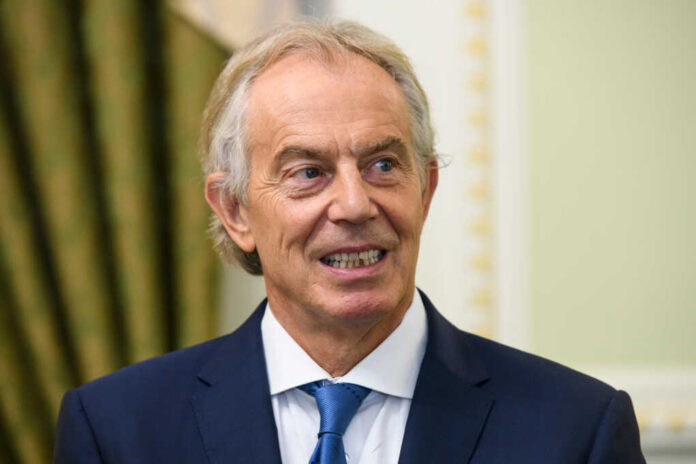
A newly revealed memo details a meeting between former UK Prime Minister Tony Blair and financier Jeffrey Epstein at Downing Street in May 2002. The meeting, which occurred six years before Epstein’s 2008 conviction for soliciting prostitution from a minor, has brought renewed attention to the vetting processes for individuals granted access to political figures.
Story Highlights
- Former UK Prime Minister Tony Blair and financier Jeffrey Epstein had a meeting at Downing Street in May 2002.
- The meeting was arranged at the request of Peter Mandelson, a senior Labour politician.
- A briefing memo prior to the meeting described Epstein as a “super-rich” financial adviser.
Blair-Epstein Meeting Details Emerge
Documents have surfaced indicating that former UK Prime Minister Tony Blair met with Jeffrey Epstein in Downing Street in May 2002. This meeting was arranged by Peter Mandelson, a senior Labour politician. The revelation has prompted discussion regarding political vetting processes during Blair’s administration.
The meeting was documented in a memo authored by senior civil servant Matthew Rycroft, which briefed Blair on Epstein’s financial status, describing him as a “super-rich” financial adviser. This information has raised questions about the criteria for access to policymakers and the motivations behind such introductions.
Sir Tony Blair met Jeffrey Epstein in Downing Street while he was prime minister after a recommendation by Peter Mandelson, newly released papers from the National Archives show. pic.twitter.com/U5awEGXsKg
— The Federalist Press 🇻🇦🇺🇸 (@FederalistPress) October 12, 2025
Political Implications and Reactions
The disclosure of this meeting in 2025 has drawn attention to Blair and Mandelson, with calls for transparency regarding the circumstances of Epstein’s access to Downing Street. Mandelson’s role as an intermediary has been noted in discussions about political connections. As of now, public statements from Blair and Mandelson on the matter have not been released.
The ongoing discussion in the UK political landscape, which has previously addressed associations with Epstein, suggests that these revelations could have various implications. Potential short-term outcomes include public reactions and increased examination of Labour-era governance. In the long term, there could be consideration of reforms in how political figures’ associations are vetted and accountability is managed.
Broader Concerns of Influence
Beyond the immediate political context, this incident contributes to broader societal discussions about the influence of wealthy individuals on governance. Epstein’s ability to establish connections with global leaders before his criminal convictions highlights the potential for influence among those with significant wealth. This also underscores the importance of thorough vetting processes to prevent similar situations.
As further details emerge, there are increasing calls for transparency and stronger accountability measures. The outcomes of this meeting may contribute to a re-evaluation of the interactions between political figures and influential individuals outside of government.
Watch the report: Tony Blair met Jeffrey Epstein in Downing Street at behest of Peter Mandelson
Sources:
Tony Blair met Jeffrey Epstein while prime minister
Tony Blair met Jeffrey Epstein in No 10 on advice of Peter Mandelson, documents reveal
Tony Blair met Jeffrey Epstein in Downing Street while serving as UK premier: report