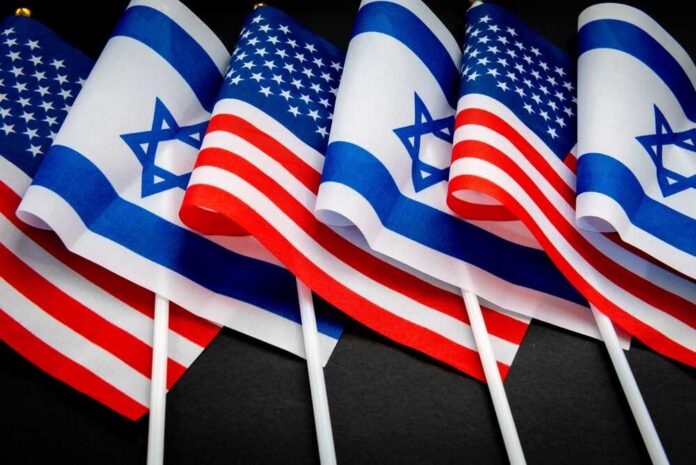
As the United States advances plans for a permanent embassy in Jerusalem and Somaliland announces its first overseas embassy there, the city is once again becoming a focal point of international diplomacy.
Story Snapshot
- The U.S. is moving from a temporary compound to a permanent embassy site in Jerusalem, locking in Trump’s 2018 decision.
- Somaliland says it has opened its first overseas embassy in Jerusalem following Israel’s recognition, though its international status remains disputed.
- Arab and Islamic states, plus Somalia, condemn the Somaliland embassy and still reject Jerusalem as Israel’s capital.
- These moves deepen the split between powerful governments and citizens who feel global games ignore their economic struggles.
Jerusalem Becomes a Stage for Power Politics
U.S. and Israeli officials are now holding ceremonies to mark the site of a permanent American embassy building in Jerusalem, moving beyond the quick 2018 relocation ordered by President Donald Trump. That earlier move shifted the embassy from Tel Aviv to Jerusalem and broke with decades of U.S. policy that treated the city’s final status as part of peace talks. Legal and policy analysts argue the shift marked a significant departure from longstanding U.S. diplomatic policy and remains disputed under international law by many governments. Supporters view the move as recognition of Israel’s chosen capital, while critics argue it complicates efforts toward a negotiated Israeli-Palestinian settlement.
Research on the embassy issue shows how both parties in Washington often talk about “national security” while ignoring everyday costs. The Jerusalem Embassy Act of 1995 pushed for the move years ago, but presidents kept signing waivers, claiming security concerns. Trump finally used the law to relocate the embassy, and now the permanent site cements that choice for future leaders. Supporters say this corrects a “historic wrong” against Israel. Critics say it undercuts hopes for a fair deal for Palestinians and adds more fuel to a region already on edge.
Somaliland’s First Embassy and Israel’s Search for New Partners
While the U.S. embarks on its permanent embassy project, Somaliland has quietly opened its first‑ever embassy anywhere in the world in Jerusalem. Somaliland is a self‑declared republic that broke away from Somalia in 1991 and has waited decades for recognition. In December 2025, According to reports, Israel became the first U.N. member state to formally recognize Somaliland, a move that remains highly controversial internationally. In June 2026, Somaliland President Abdirahman Mohamed Abdullahi visited Jerusalem and inaugurated the new embassy, calling it a path built on trust and dialogue. For Somaliland’s people, this is sold as a victory after “35 years of diplomatic isolation,” but it does not yet bring broad global recognition or direct economic relief.
Israel’s leaders see clear strategic gains from this new partnership. Reports and speeches describe planned cooperation on water, agriculture, security, and technology. Analysts say Israel gains a friendly partner on the Red Sea, near key shipping lanes like the Bab el Mandeb Strait, and may be expanding intelligence and security ties there. Israel has also appointed its first ambassador to Somaliland and plans an embassy in Hargeisa. This fits a wider push by Israel to convince more countries to open embassies in Jerusalem, following the U.S., Guatemala, Honduras, Kosovo, Papua New Guinea, and Paraguay. For many observers, these diplomatic moves highlight how governments often prioritize long-term strategic interests while domestic economic concerns remain pressing.
Global Backlash and the Deepening Trust Gap
Israeli officials, meanwhile, argue that each country has the sovereign right to choose the location of its diplomatic missions. The Organization of Islamic Cooperation also condemned what it called the “so‑called Somaliland” embassy. Somalia’s government, which still claims Somaliland’s territory, denounced Israel’s recognition as a direct attack on its sovereignty. These reactions show how major regional powers can move quickly when their own maps or status are touched, even while problems like joblessness and corruption at home drag on.
Legal scholars point out that many countries still refuse to recognize any sovereignty over Jerusalem, whether Israeli or otherwise. For decades, Western nations kept their embassies in Tel Aviv and ran special consulates in Jerusalem that were not formally tied to Israel. That careful setup tried to avoid picking sides while final status talks were still a hope. As more governments reconsider their diplomatic positions on Jerusalem, the city continues to symbolize broader debates over sovereignty, international recognition, and the role of diplomacy in one of the world’s most enduring geopolitical disputes. People on both the right and the left, in the U.S. and abroad, see this pattern and wonder why governments move faster on flags and buildings than on fixing the economic and social crises that block the basic promise of the American Dream and its global cousins.
Sources:
i24news.tv, somaliguardian.com, youtube.com, facebook.com, themedialine.org, instagram.com, qil-qdi.org