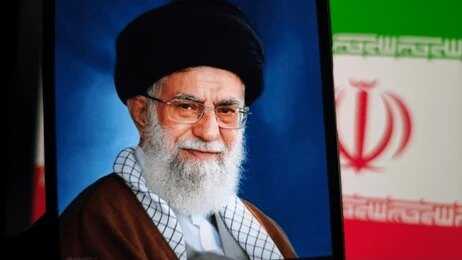
Foreign leaders are filing past Ali Khamenei’s coffin in Tehran even as many Iranians and outsiders see his death as both a turning point and a warning about how unchecked power and secret wars can shape their lives without their consent.
Story Snapshot
- Iran’s state media and global outlets agree Ali Khamenei was killed in a joint United States–Israeli airstrike in February 2026, ending his nearly four-decade rule.
- Tehran’s farewell ceremonies now draw delegations from across the world, even as many victims of the regime remember years of repression and brutal crackdowns.
- A delayed funeral schedule, a long mourning period, and talk of “martyrdom” show how Iran’s rulers are using his death to rally support at home and abroad.
- The slow and tightly controlled transition raises big questions for Americans and others about secret wars, elite decision-making, and the growing gap between rulers and ordinary people.
How Khamenei Was Killed And Why It Matters
Ali Khamenei, Iran’s supreme leader since 1989, was killed on February 28, 2026, in an airstrike on his residence that both the United States and Israel publicly claimed as their operation. International reports describe a coordinated attack that hit his compound during an ongoing conflict with those two countries. Iranian state television later aired a statement from the Supreme National Security Council confirming his death, while visibly emotional anchors called it “martyrdom” and announced a 40-day public mourning period. This mix of military power, media control, and religious language shows how leaders can turn battlefield decisions into emotional stories that shape millions of lives, often without open debate or clear oversight.
For Americans on both the right and the left, this should feel familiar. Wars are launched, “surgical” strikes are carried out, and only later do citizens learn which leaders were targeted and what risks were taken in their name. Under Donald Trump’s second term, the United States has leaned harder into the idea of hitting enemies first and explaining later, while many in Congress focus more on staying in office than on holding anyone truly accountable. That pattern feeds the growing belief that a distant national security class decides who lives and dies, while regular people at home and abroad deal with the fallout.
The Farewell Ceremony And Delayed Funeral
Iran’s current farewell events in Tehran are part of a funeral plan that has already been delayed once by war. State media first talked about major public ceremonies in early March, but those plans were pushed back as fighting with the United States and Israel continued. Later announcements set a new schedule: mass events in Tehran starting July 4, further ceremonies in the religious city of Qom on July 7, and final burial in Khamenei’s hometown of Mashhad on July 9. Reports say the coffins of Khamenei and several family members killed in the same strikes are being placed on public display ahead of these events. A three-day farewell ceremony at the Imam Khomeini prayer hall in Tehran was designed to let citizens pay their respects, but even that was reportedly postponed at least once without a clear public explanation. The result is a somber ritual wrapped in confusion, where ordinary Iranians are told to mourn on a schedule set by clerics, generals, and media managers.
International delegates attending the farewell in Tehran now stand at the center of a carefully staged message. Footage and reports show foreign religious leaders and officials from countries such as Iraq, Lebanon, Pakistan, and others arriving to pay tribute. This allows Iran’s ruling class to claim broad support and to frame Khamenei as a victim of foreign aggression, not just as an aging ruler whose grip on power faced growing protests in his final years. At the same time, many Iranians who suffered under his rule see these ceremonies as hollow. Rights groups and independent reports have described mass arrests, a wave of political executions, and thousands killed during protests and crackdowns over the past several years. For them, the giant banners, chants, and tight security around the coffin highlight a familiar truth: powerful men can rewrite their own legacy even as the graves of their victims remain unmarked.
Succession, “Martyrdom,” And Information Control
Khamenei’s death forced Iran’s tightly controlled system to confront who comes next. Under the constitution, officials announced that a temporary leadership council would step in while a new supreme leader is chosen, involving the president, the head of the judiciary, and a jurist from the Guardian Council. Analysts long expected hardliners to keep control of most major institutions once Khamenei died. Many reports now point to his son, Mojtaba Khamenei, as the likely successor, continuing the same network of clerics, military officers, and media chiefs that shaped Iran for decades. Still, the lack of an immediate clear successor when the death was first announced showed how secretive that process is. Ordinary Iranians learned more from rumors and foreign news than from their own government.
The coffins of Ali Khamenei and members of his family have been placed on public display ahead of a mass farewell ceremony in Tehran.
Large crowds are expected to attend the ceremony, with mourners gathering to pay their final respects before the funeral proceedings. Authorities… pic.twitter.com/vzftuGkSFp
— Pakistan Economic Network (@NetPakistan) July 3, 2026
The way Iran’s rulers talk about Khamenei’s death also fits a common pattern in authoritarian systems. By calling him a “martyr” killed by the United States and Israel, they link grief to anger and turn mourning into political fuel. This framing can help justify harsher crackdowns at home and more dangerous moves abroad, all in the name of revenge or national honor. Research on recent Iranian protests shows that state media has repeatedly blamed unrest on foreign plots and labeled demonstrators “terrorists,” while restricting internet access and silencing independent voices. Today’s funeral coverage follows the same script: cameras focus on crowds and prayers, not on dissent or on the deep economic pain many Iranians feel after years of sanctions, mismanagement, and war. That kind of information control is not unique to Iran. Many Americans, whether they lean conservative or liberal, worry that their own government and major media also filter out uncomfortable truths, especially about war, debt, and the growing divide between rich insiders and everyone else.
What This Moment Says About Power And Ordinary People
Khamenei’s assassination and the carefully choreographed farewell ceremony should matter to people far beyond Iran’s borders. They show how powerful states, including the United States, now treat targeted killings of foreign leaders as tools of policy, even when citizens are barely informed and rarely asked to weigh long-term risks. They also show how regimes use religion, patriotism, and grief to hold on to power after a crisis, instead of opening up real debate about past abuses or future reforms. For many Americans watching from home, the scene in Tehran is another reminder that global decisions are being made over their heads, by leaders and institutions that seem more focused on survival and profit than on honesty and justice. Whether you worry most about secret wars, runaway spending, human rights, or the erosion of faith in government, Khamenei’s final journey from airstrike to grand funeral is a warning: when elites control both force and information, regular people—here and abroad—are the ones who pay the price.
Sources:
youtube.com, aljazeera.com, en.wikipedia.org, axios.com, apnews.com, facebook.com, nbcnews.com, us.dk, hudson.org