Kamala Harris’s glaring omission of Michelle Obama in her new book has sparked fresh scrutiny of Democratic leadership’s unity and exposed the cracks behind their carefully crafted image.
Story Snapshot
- Kamala Harris references Michelle Obama only three times in a 300-page memoir, fueling speculation about Democratic Party divisions.
- Media and political analysts highlight a lack of genuine alliance between Harris and the Obamas during the 2024 campaign.
- Insiders reveal that Barack Obama initially resisted endorsing Harris for the presidency, preferring an open primary process.
- The limited mentions underscore deeper rifts and calculated relationships within the Democratic establishment.
Harris’s Sparse Mentions of Michelle Obama Raise Eyebrows
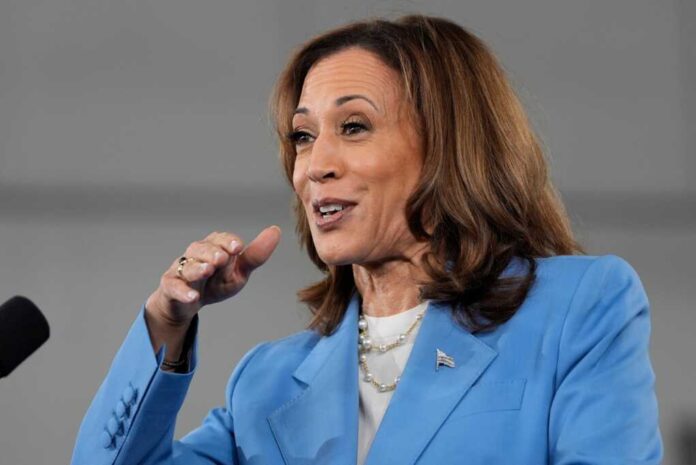
Kamala Harris’s newly released book, published late in 2024, includes just three references to Michelle Obama despite both women’s prominence within the Democratic Party. This surprising omission has become a focal point for political observers, who see it as a sign of the calculated distance between two of the party’s most influential figures. The absence of personal anecdotes or collaborative moments in Harris’s narrative stands out, especially given Michelle Obama’s enduring popularity among Democratic voters.
The timing of Harris’s book—arriving on the heels of her campaign for the 2024 Democratic nomination—has only intensified interest in her relationships within the party. Commentators point to the lack of warmth or depth in Harris’s references to Michelle Obama, interpreting it as a deliberate move to craft her own unique brand. As analysts note, what is not said in political memoirs can speak volumes, particularly when the stakes are high and alliances are under the microscope.
Kamala Harris mentions Michelle Obama only three times in 300-page book. Here's what she said https://t.co/8g0XBFQjNr
— Fox News Politics (@foxnewspolitics) September 27, 2025
Endorsement Drama and Party Power Plays
Reports reveal that as President Biden exited the 2024 race, Kamala Harris faced significant hurdles in securing endorsements from the Obamas. Barack Obama, a kingmaker in Democratic circles, initially declined to back Harris, opting instead for a more open process in selecting the nominee. Behind-the-scenes negotiations ensued, with Harris’s campaign team working diligently to obtain a public show of support. The resulting endorsements, including staged video calls and scripted appearances, were reportedly the product of careful bargaining rather than genuine enthusiasm.
These revelations have prompted further questions about the true nature of Harris’s relationship with the Obamas. Party insiders suggest that the limited personal connection between Harris and Michelle Obama may reflect broader tensions within Democratic leadership. The carefully choreographed displays of unity, as described in multiple reports, underscore the extent to which party optics often take precedence over authentic alliances—especially in an election year.
Implications for Democratic Party Unity and Strategy
The fallout from Harris’s selective storytelling and the Obamas’ tepid support continues to reverberate as the Democratic Party seeks to present a united front. Political strategists warn that such visible cracks could undermine the party’s credibility and rallying power, particularly among voters who look to the Obamas for leadership. The episode also highlights a growing trend: endorsements and public unity are increasingly the product of negotiation, not natural alignment. For the party faithful, this raises uncomfortable questions about the authenticity of Democratic messaging and the true state of intra-party relationships.
The publishing industry has capitalized on the controversy, with Harris’s memoir drawing attention not only for what it reveals but for what it conspicuously omits. Meanwhile, consultants and media analysts dissect every detail, emphasizing the ongoing importance of symbolic gestures in shaping public perception. Ultimately, the Harris-Obama dynamic serves as a case study in the optics-driven politics that now dominate Washington, where image often trumps substance and strategic silence can speak louder than words.
Analysis and Media Perspectives
Political analysts are divided on the implications of Harris’s limited references to Michelle Obama. Some interpret the omissions as evidence of an intentionally distant relationship, reflecting unresolved tensions or strategic calculation. Others see it as part of a broader trend in which political memoirs focus narrowly on the author’s narrative. Notably, outlets like Fox News emphasize the behind-the-scenes maneuvering and apparent annoyance on Harris’s part, while other sources portray the relationship as publicly cordial, if not especially close. This divergence in coverage further underscores the complexity and ambiguity of today’s Democratic leadership dynamics.
Despite the media frenzy, direct evidence of personal animosity between Harris and Michelle Obama remains elusive. However, the cautious language and lack of substantive engagement in Harris’s book suggest a relationship defined more by political necessity than genuine camaraderie. For voters and observers alike, this episode is a stark reminder that in the world of high-stakes politics, alliances are often transactional and unity is frequently more performative than real.
Sources:
Kamala Harris was ‘very annoyed’ at Obama as she sought his endorsement, book reveals | Fox News
Kamala Harris and Michelle Obama’s friendship, explained | TheGrio