President Trump’s tariff escalations on Indian goods are nudging New Delhi closer to Beijing, reshaping Asia’s diplomatic and economic balance.
At a Glance
- U.S. doubled tariffs on Indian imports over Russian oil deals
- China’s top diplomat urged stronger cooperation during India visit
- India and China exploring limited thaw after years of tension
- Both nations face U.S. trade pressure and seek alternatives
- Washington’s frayed ties with Delhi drive momentum for rapprochement
Tariffs and Realignments
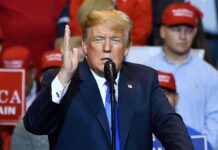
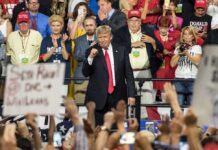
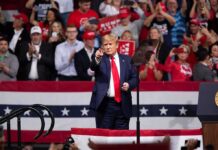
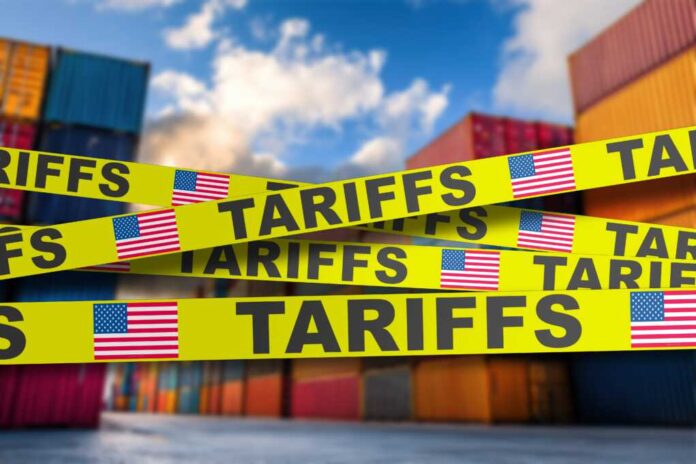
President Trump recently doubled tariffs on a wide range of Indian goods, citing the country’s continued purchases of Russian oil despite Western sanctions. The move follows months of escalating pressure on India over its trade policies and energy imports, and it has rattled New Delhi’s already strained economic ties with Washington.
Watch now: Why India is Quietly Mending Ties with China · YouTube
During the same week, Beijing dispatched its top foreign policy envoy to India, where calls were made for both countries to strengthen cooperation in the face of growing threats to global trade. The visit underscored China’s intent to exploit a rare window of opportunity: India’s mounting frustration with Washington’s tariffs and sanctions pressure.
Beijing’s Calculated Overture
China has framed its outreach as an appeal to common interests. Both economies face direct consequences from U.S. tariff policies, and each has seen its exports squeezed under shifting trade rules. By extending an olive branch, Beijing is testing whether New Delhi can set aside lingering border disputes in exchange for limited economic cooperation.
For India, the calculus is complex. Relations with China remain fraught after deadly clashes in the Himalayas just five years ago, and security ties with the United States and its Quad partners remain central to its long-term strategy. Yet, the immediate costs of rising U.S. tariffs—combined with the potential benefits of trade alignment with China—are pressing India to weigh pragmatic adjustments.
Economic and Strategic Implications
The tariff dispute carries significant economic risks. Indian exports to the United States, valued at over $80 billion annually, face steep headwinds from the new tariff schedule. Key industries such as textiles, pharmaceuticals, and software services could lose market competitiveness. Meanwhile, Beijing sees a chance to pitch itself as a partner willing to offset some of those losses through expanded bilateral trade.
Strategically, the thaw comes as Washington struggles to balance punitive trade measures with its broader Indo-Pacific strategy. India’s discomfort with U.S. sanctions and tariffs may complicate defense cooperation and weaken coordinated efforts to counter China’s regional influence.
For Beijing, even a limited rapprochement with India would be a diplomatic success, reducing its isolation in Asia and highlighting fractures in Washington’s alliance system. Analysts caution, however, that underlying mistrust between the two Asian giants remains deep, and any progress will likely be tactical rather than transformative.
Outlook in Flux
The trajectory of India-China relations will depend on how far Washington pushes its trade offensive. If tariffs remain elevated, Delhi may continue edging closer to Beijing out of necessity, even while maintaining defense ties with the United States. Should the U.S. ease its stance, however, the thaw could stall quickly.
For now, India and China appear ready to explore narrow areas of cooperation as a hedge against economic volatility. Whether this marks the start of a durable shift or a temporary convergence under pressure remains uncertain—but it signals how trade wars are redrawing the region’s diplomatic map.
Sources