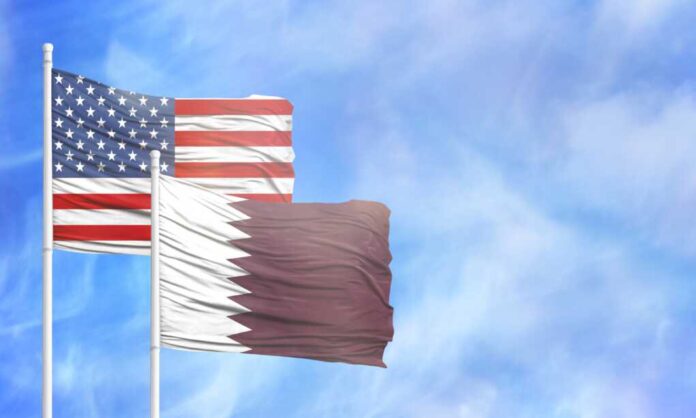
President Trump’s bold executive order pledging U.S. military defense of Qatar has stunned the world and sparked fierce debate over America’s role in the Middle East—and what it means for U.S. allies, rivals, and conservative values at home.
Story Highlights
- Trump extends an unprecedented U.S. security guarantee to Qatar, elevating its status to near-NATO ally.
- The move directly responds to an Israeli airstrike on Doha targeting Hamas negotiators, which Qatar condemned as a violation of sovereignty.
- This marks the first explicit U.S. military guarantee to a Gulf state outside formal treaty alliances, reshaping Gulf security dynamics.
- Regional reactions are mixed, with concerns raised about shifting alliances and the precedent for U.S. entanglement in new conflicts.
Trump’s Executive Order Redefines U.S. Commitments in the Gulf
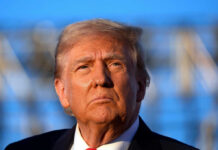
On September 29, 2025, President Donald Trump signed an executive order pledging that the United States will defend Qatar if it faces external aggression, propelling the Gulf nation to a security status comparable to America’s most trusted non-NATO allies. This rare guarantee follows an Israeli airstrike in late August that targeted a Hamas negotiating team in Doha—a strike that Qatar decried as a breach of its sovereignty. The Trump administration’s decision constitutes the first time the U.S. has offered such explicit military assurances to a Gulf state outside of formal treaty arrangements, sending shockwaves through the region and signaling a major shift in U.S. foreign policy.
Qatar, long a host of the Al Udeid Air Base—the largest U.S. military facility in the Middle East—has played a pivotal diplomatic role in regional conflicts, mediating between Hamas, the Taliban, and other actors. The move to extend a security guarantee comes after years of the U.S. balancing influence among Gulf rivals, including Saudi Arabia, the UAE, and Iran, while avoiding direct entanglements. By explicitly pledging American military action in Qatar’s defense, the Trump administration has upended decades of precedent, drawing clear boundaries on America’s willingness to protect its interests and partners in the region.
Trump extends US security guarantee to Qatar, elevating Gulf ally to near-NATO status https://t.co/ItbIxc80Mt
— Fox News (@FoxNews) October 4, 2025
Regional Fallout and Shifting Alliances
The executive order’s announcement triggered a wave of reactions across the Middle East. Qatar welcomed the U.S. commitment as “historic,” viewing it as a critical assurance of sovereignty and a deterrent against further aggression. Meanwhile, Israel has remained silent, while other Gulf states such as Saudi Arabia and the UAE have privately expressed unease about the precedent being set. These countries, accustomed to informal U.S. security partnerships but wary of direct guarantees to rivals, now face a new reality in which Qatar’s status—and potentially its leverage—has increased. This realignment could complicate existing U.S. relationships and force regional actors to recalibrate their security and diplomatic strategies.
For the United States, the commitment places American credibility on the line and risks entanglement in conflicts that do not directly serve U.S. interests. There are concerns that such guarantees will embolden allies to take greater risks, expecting U.S. backup, while drawing Washington further into the region’s complex disputes. Critics also warn that overextension of American military commitments runs counter to principles of limited government and constitutional checks, raising questions about executive authority in foreign affairs.
Opinions: A Game-Changer or Risky Precedent?
Security analysts have described Trump’s move as a “game-changer” for Gulf security architecture, likening it to the U.S. commitment to defend Japan or South Korea. While some argue the guarantee will deter further attacks and stabilize the Gulf, others warn of unintended consequences, such as strained relations with other allies and increased risk of escalation. Middle East scholars point to the unprecedented nature of the guarantee, suggesting it may embolden Qatar’s diplomatic ambitions while complicating U.S. ties with Israel and major Gulf powers. Supporters of the move highlight the need for clarity and resolve in the face of external threats, while opponents caution against new entanglements that could undermine American priorities at home.
For conservative Americans, the executive order raises important questions about the proper scope of U.S. commitments abroad, the need to protect American interests and values, and the imperative to ensure that foreign policy decisions do not erode constitutional principles or drain national resources. The Trump administration’s willingness to draw hard lines in defense of allies marks a sharp departure from the ambiguity and perceived weakness of previous years, but it also demands vigilance to safeguard against government overreach and the risks of global entanglement.
Path Forward: U.S. Strength and Constitutional Vigilance
As the White House reviews the U.S. military posture in Qatar and consults with other Gulf partners, conservatives will watch closely to ensure that America’s security commitments serve national interests, uphold the Constitution, and avoid the pitfalls of endless intervention. The Trump administration’s decisive action has restored America’s credibility among allies, but it also puts the onus on Congress and the American people to scrutinize executive power and demand transparency in the deployment of American forces. The coming months will test whether this new security guarantee strengthens U.S. influence and stability—or sows new divisions and risks for the nation’s future.
Watch the report: Qatar security guarantee: Donald Trump signs executive order protecting Qatar
Sources:
Assuring the Security of the State of Qatar – White House
Assuring the Security of the State of Qatar – Federal Register