A slow-motion fuel collapse in Russian‑held Crimea now shows how modern wars and fragile supply chains can be turned into a weapon by both Kyiv and Moscow.
Story Snapshot
- Ukraine is striking fuel depots, tankers, and bridges that supply occupied Crimea, triggering the peninsula’s worst fuel crunch since 2014.[1][5]
- Gas lines, rationing, and growing food shortages suggest both civilians and Russian troops are feeling the squeeze.[1][4][7]
- Russia admits “problems” but claims it is stabilizing supplies, while Ukrainian sources say Russian vehicles are literally “standing still.”[2]
- The fight over fuel in Crimea exposes how regular people get caught between wartime spin and deeper global energy and security games.[1][4]
Ukraine’s strikes push Crimea into its worst fuel squeeze in years
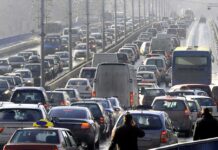
Ukrainian forces have spent weeks hitting the fuel lifelines that keep occupied Crimea running, and the impact is now obvious on the ground.[1] Reporters describe lines of cars stretching outside gas stations, with 92‑ and 95‑octane gasoline in especially short supply.[1][5] Ukrainian drones have struck refineries, oil depots, pipelines, and even tanker trucks on the land corridor that Russia built along the Sea of Azov coast to bypass earlier attacks on the Kerch Bridge.[1][2] Those trucks were left burning on roads once considered safe.[1]
Russian‑linked and Ukrainian‑linked outlets both describe this as the worst fuel disruption in Crimea since Moscow seized the peninsula in 2014.[1][5] Local reports and video show fuel rationing rules, such as limits on how many liters each driver can buy, and long waits that stretch for hours.[4] Ukraine’s National Resistance Center, a state‑linked group, says basic goods like sugar, cereals, flour, salt, and pasta are also becoming scarce as supply chains seize up.[7] Some stores have started informal food rationing.[4][7]
How strikes on fuel depots and bridges weaken Russian logistics
Ukraine’s military says these attacks are part of a larger strategy to choke Russian logistics rather than just hit front‑line trenches. Analysts note that Kyiv is running two overlapping campaigns: long‑range strikes on refineries and energy sites deep inside Russia, and mid‑range drone attacks on depots, rail hubs, and bridges in occupied areas like Crimea and southern Ukraine. Ukrainian forces also reportedly hit an oil depot in Feodosia and other fuel hubs, which partisan sources claim led directly to shortages for Russian units near Hola Prystan.[2]
The partisan network Atesh, which supports Ukraine, reports that Russian troops in parts of southern Ukraine now face an “acute shortage” of fuel and lubricants.[2] The group says vehicles are “standing still” and that Russia is trying to cope with smaller, improvised deliveries that do not meet demand.[2] Other Ukrainian and Western reports say Russia has had to reroute supplies onto smaller coastal roads and away from main highways and bridges that are under constant threat.[7] This slows down every delivery, from ammunition to food, and raises costs over time.
Moscow’s denials meet on‑the‑ground evidence of a real crisis
Russian officials publicly insist their forces are intercepting most Ukrainian drones and keeping Crimea supplied, but their own statements hint at trouble.[4] A Kremlin spokesman has admitted there are “problems” with fuel deliveries to the peninsula and said the energy ministry is working to prevent a “full‑blown crisis.” That careful language contrasts with what residents describe: days‑long lines for gas, empty shelves, and local authorities scrambling to calm anger as the tourist season suffers.[4][7]
This information battle should sound familiar to Americans across the political spectrum. One side claims success; the other side claims control. Both ask the public to trust them while offering limited hard data. In Crimea, Russian authorities have not released detailed fuel inventory numbers, and Ukrainian sources have every incentive to highlight disruption.[1][2] What can be verified visually—burned fuel trucks, long gas lines, and ration notices—supports the view that the crisis is real and not just propaganda.[1][4]
Why this distant fuel war matters for Americans skeptical of “the system”
For many Americans, Crimea feels far away, yet this story carries lessons that cut through both conservative and liberal frustrations at home. First, it shows how energy can be turned into a pressure tool, whether through drone strikes in a war zone or policy choices that raise prices and strain families’ budgets.[1][4] Second, it shows how official stories often gloss over pain on the ground, as leaders focus on saving face more than serving regular people.[4][7]
Conservatives who worry about global entanglements and high fuel costs can see in Crimea how fragile energy networks invite crisis when stressed by war or policy.[1] Liberals concerned about inequality can see how shortages hit the poorest residents first, while military convoys and political elites are protected.[2][7] Both sides may notice the deeper pattern: decisions made by distant leaders, in Moscow, Kyiv, Brussels, or Washington, can leave ordinary citizens stuck in line, paying the price in time, money, and safety while the powerful trade narratives on television.[1][4]
Sources:
[1] Web – Ukraine Hits Fuel Supplies to Crimea, Sparking a Fuel Crisis on the …
[2] Web – Ukraine confirms drone strikes on Russian air defense system, oil …
[4] YouTube – Drone strikes trigger fuel shortages in occupied Crimea | Ukraine …
[5] YouTube – Ukraine INTENSIFIES OPERATION around occupied Crimea! The …
[7] Web – Drone strike hits oil depots in Crimea – Facebook