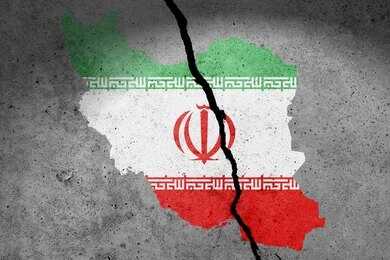
Iran and the United States are once again trading strikes and threats in the Strait of Hormuz, and each side is telling a very different story about who broke the rules first.
Quick Take
- Iran says its drone attacks were retaliation for overnight United States strikes and a breach of a ceasefire deal.[1]
- Bahrain says Iranian drones hit its territory, while regional governments condemned the attacks as a sovereignty violation.[8]
- President Donald Trump responded with new threats, keeping the pressure high after the latest round of fighting.[2][5]
- The Strait of Hormuz remains the key flash point because even limited attacks can shake shipping, energy markets, and diplomacy.[7]
Iran Says It Responded to United States Strikes
Iran’s Foreign Ministry said the drone launches were a direct reply to United States airstrikes that it called a clear breach of a June memorandum of understanding.[1] Iranian officials also framed the attacks as “ceasefire management,” not a new war, and some hardline voices pushed for tougher steps, including pressure on the Strait of Hormuz. That language shows how Tehran is trying to turn battlefield moves into a legal and political argument.
The problem is that the public record does not fully prove Iran’s narrower claims about specific targets. The research package shows Iran said it struck “United States-linked” sites, but it does not provide independent proof that the Bahrain strike hit American assets rather than Bahraini territory. The same gap appears in the tanker episode, where available reports identify damage and blame, but not a verified chain showing exactly who or what was hit.
Bahrain and Its Partners Push Back Hard
Bahrain’s Foreign Ministry said Iranian drones targeted the country and condemned the attack as a violation of sovereignty.[8] Amnesty International later said Iranian Shahed drones were most likely used in attacks on civilian infrastructure in Bahrain and warned the strikes may amount to war crimes.[9] Bahrain’s Interior Ministry also said a desalination plant was damaged and three civilians were injured, which makes the dispute about “retaliation” much more than a political talking point.
Regional reaction has been just as sharp. Qatar’s Foreign Ministry condemned renewed Iranian attacks against Bahrain, Kuwait, and Jordan, adding to a wider diplomatic wall around Tehran. The pattern matters because Iran is not only fighting over military facts; it is also fighting over legitimacy. When neighbors quickly condemn the strikes, Iran’s claim that it is simply enforcing a ceasefire becomes harder for outside audiences to accept.
Trump’s Threats Raise the Stakes Again
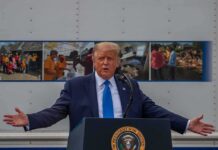
President Trump’s public response has kept the crisis moving. Reporting in the research package says he warned that the United States would strike Iran hard again, while Vice President J.D. Vance said violence would be met with violence.[5] Earlier coverage also shows Trump has used similar pressure before, including moments when he threatened attacks and then backed off at the last minute.[2] That history matters because it makes both deterrence and restraint part of the same message.
🚨 BREAKING HOURLY NEWS!
Top 10 NEW global + AI stories right now 🌍🤖🔥1️⃣ 🇮🇷🇺🇸 STRAIT OF HORMUZ ERUPTS AGAIN — another tanker reportedly struck by an unidentified projectile after U.S. airstrikes on Iranian missile/drone sites.
2️⃣ 🇮🇷🇧🇭 BAHRAIN ACCUSES IRAN — Bahrain says…
— Karim El-Khatib (@karimelkhatib99) June 27, 2026
The bigger issue is that this fight sits inside a long pattern in the Gulf. Iran has repeatedly used drones and missiles near the Strait of Hormuz, while the United States and its allies have answered with strikes and loud warnings about trade routes and global oil supply.[7][15] For many people on both the left and the right, that looks less like policy and more like a government system that keeps escalating danger while ordinary people pay the price.
Why the Strait of Hormuz Still Dominates the Crisis
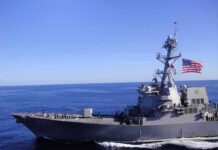
The Strait of Hormuz is central because it carries a huge share of the world’s oil, so any attack there quickly becomes a global issue.[7] That gives Iran leverage, but it also raises the risk of backfire if attacks hit shipping or civilian sites. The research package shows that United States military responses have already targeted Iranian radar and surveillance sites near the strait, which means the cycle can widen fast even when leaders talk about limited action.
What makes this latest round so politically loaded is the clash between narrative and evidence. Iran says it is answering unlawful strikes and defending sovereignty.[1] Bahrain and its partners say Iran is the aggressor.[8] The available reporting supports the fact that drones were launched, damage occurred, and leaders on both sides are escalating their language. It does not resolve the deeper dispute over who is telling the whole truth, and that uncertainty is now part of the story itself.
Sources:
[1] Web – Iran Launches Drone Blitz After Overnight US Strikes, Amid New Trump …
[2] Web – Bahrain condemns Iranian drone attack as Washington, Tehran …
[5] YouTube – US, Iran Trade Missile and Drone Blows as Kuwait …
[7] Web – Iran has launched a drone assault targeting Bahrain and a ship in …
[8] Web – Iran launched a drone assault targeting Bahrain, while a ship in the …
[9] Web – Bahrain accuses Iran of launching a drone attack targeting … – …
[15] Web – Iran war latest: Bahrain says it was attacked by Iranian drones