Syria’s first post-Assad election allowed only 6,000 handpicked voters, with no real public participation.
Story Snapshot
- Syria’s first post-Assad election allowed only 6,000 handpicked voters, with no real public participation.
- President Ahmed al-Sharaa, once leader of a jihadi group, directly appointed one-third of parliament.
- The process lacked transparency and genuine competition and excluded millions of ordinary Syrians.
- Critics warn the move entrenches autocracy and undermines hopes for real democratic reform in the region.
Restricted Syrian Elections Undermine Democratic Principles
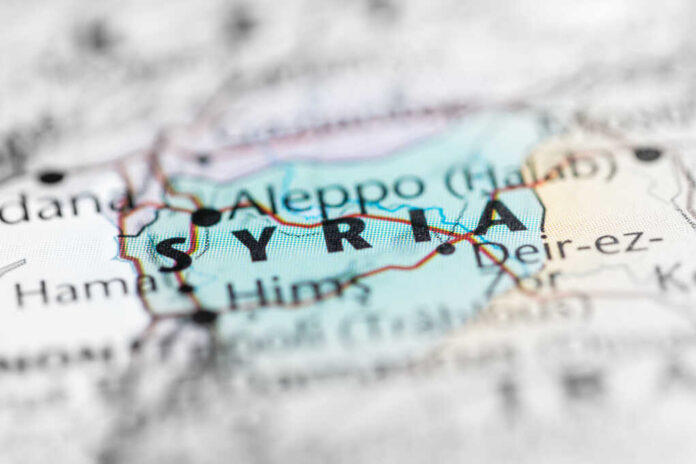
On October 5, 2025, Syria held what authorities called a “parliamentary election,” but the process was tightly controlled, with only about 6,000 individuals permitted to vote. These voters were specifically chosen by the new government, leaving the vast majority of Syrian citizens completely excluded from any meaningful participation. The election took place with no direct popular vote, no public campaigning, and no manifestos, reinforcing concerns about legitimacy and transparency. This approach not only denies basic representation but also sets a dangerous precedent for future elections in the region.
President Ahmed al-Sharaa, previously a senior leader of Hayat Tahrir al-Sham (HTS), a group with a violent extremist history, presided over these elections. Of the 210 seats in parliament, 140 were filled through this limited electoral college, while the president directly appointed the remaining 70 seats. By concentrating power among loyalists and bypassing public input, al-Sharaa’s regime further undermines the values of accountable governance and individual liberty. The Higher Committee for People’s Assembly Elections, created by presidential decree, managed the process, ensuring minimal risk of independent political activity or opposition voices breaking through.
#Syrian parliament members will be appointed by Al-Jolani in an election that is only 6000 people will cast their vote what a gorgeous democracy.
😂😂😂
Fuck Al-Qaeda and islamic terrorism. pic.twitter.com/Z4kJcBTUIT
— Roj ☀️ (@RadioMahabad) October 5, 2025
Power Dynamics Favor Former Extremists Over Citizens
The transitional government’s electoral system serves to consolidate authority within a narrow circle aligned with the president. Civil society groups and human rights advocates have condemned the process, characterizing it as a “nomination, not an election.” Millions of displaced, undocumented, or opposition-aligned Syrians remain disenfranchised, with no opportunity to shape their country’s future. The president’s control over parliament and influence on the selection of voters and candidates further entrenches a new elite, echoing the authoritarian practices of previous regimes. Critics argue that this power grab risks renewed instability and delays genuine democratization.
Local and international observers point out that the security apparatus played a significant role in the proceedings, with heavy police and military presence at polling sites. The lack of public campaigning and visible election activity underscores the absence of transparency. President al-Sharaa visited some polling stations and described the process as necessary for passing key reforms and budgets, but civil society voices insist that true representation requires open participation and genuine competition.
Long-Term Risks for Constitutional Rights and Regional Stability
While the new parliament is expected to begin work on legal and constitutional reforms, the exclusionary nature of the election raises significant concerns for both Syria and broader regional stability. The process may entrench a new class of rulers, perpetuating exclusion and polarization among communities. In the past, Syrian elections under the Assad regime were widely criticized for lacking competition and fairness; the current system changes the form but not the substance. Analysts warn that such governance models, rooted in restricted participation and presidential control, threaten to erode the very principles of democracy and self-determination that Americans hold dear.
Economic recovery, social cohesion, and international support are all at risk when legitimacy is lacking. The precedent set by Syria’s transitional government could influence other post-conflict scenarios, where former extremists use controlled elections to cement power. This outcome should concern any patriot who values limited government, constitutional protections, and the right of all people to have a voice in their government. The Syrian case stands as a stark warning: when transparency and broad participation are sacrificed for expediency or security, liberty and genuine reform are the first casualties.
Watch the report: What you need to know about Syria’s first post-Assad elections | DW News
Sources:
Wikipedia: 2025 Syrian parliamentary election
The National News: Syrians vote in invitation-only election
ABC News: Syria holds first elections since Assad’s ouster
Everything you need to know about Syria’s first post-Assad elections