When a reality TV star tells a sitting mayor “F**k you, communists,” it reflects growing political frustration among some Americans have become with city leaders they see as detached from everyday crises.
Story Snapshot
- Spencer Pratt, who lost his home in the 2025 Palisades wildfires, is lashing out at leaders he blames for failure on safety and homelessness.
- New York City Mayor Zohran Mamdani pushes free buses as part of a democratic socialist agenda, while critics say he ignores crime and fare evasion.
- Pratt’s “anti-Mamdani” message taps into frustrations expressed by many of his supporters and other critics of city leadership.
- Both men show how celebrity-style politics and viral clips are replacing careful debate over how government serves the public.
From Burned Home to Viral Rant: Why Pratt Is So Angry
Spencer Pratt is not just yelling at communists on the internet; he is a man who watched his Pacific Palisades home burn in the 2025 wildfires and then decided to run for mayor of Los Angeles. He has blamed Mayor Karen Bass and city leaders for poor fire preparation, fewer firefighters, and weak emergency plans, arguing that “failed politicians” let his neighborhood burn. That personal loss turned into a political mission, powered by frustration expressed by many residents and critics of city leadership.
Pratt’s anger goes beyond wildfires and into how the city spends money. He has slammed taxpayer-funded dental care for drug users and free services for transgender migrants as symbols of a broken welfare system that “rewards” self-destruction while basic safety falls apart. In his aggressive concession video, he railed against “commie animals” and threatened to release recordings that would “make her resign in shame,” language that hits hard because many voters already suspect their leaders hide ugly truths. His tone is crude, but it channels a wider belief that elites protect themselves first and regular people last.
Anti-Mamdani vs. Free Buses: Two Clashing Visions of City Life
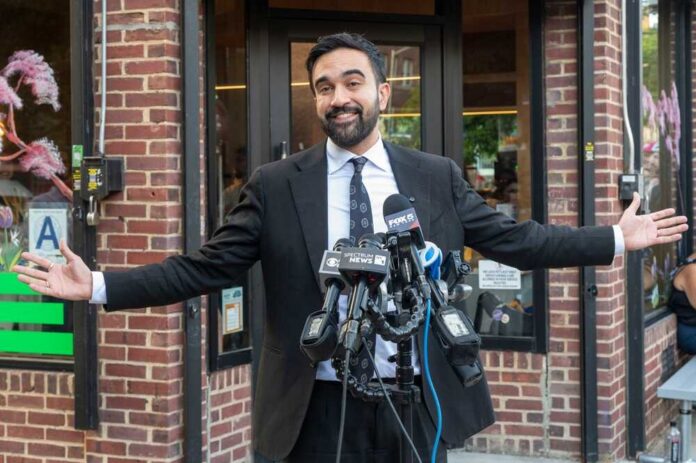
Zohran Mamdani, the democratic socialist mayor of New York City, offers a very different story. He wants free buses, and allies say a pilot on five routes saw nearly 40 percent fewer verbal and physical assaults on drivers than other lines. Supporters argue that free fares make service faster and more fair, and one analysis claims ending bus fares could add over 52 million trips per year by cutting boarding delays. A Vital City report even outlines how free buses and subways could supercharge his affordability agenda because trains carry more riders than buses.
Critics are not convinced. A Manhattan Institute analysis calls Mamdani’s free-fare plan an “illogical” way to fight transit crime, noting that he does not answer detailed data on repeat violent offenders and fare evaders in the subway system. Local news reports say bus fare evasion is already about 44 percent, and the Metropolitan Transportation Authority plans to hire agents to check fares, warning that fare-free buses could deepen a revenue hole near $1 billion a year. An American Enterprise Institute op-ed adds that his plan would likely need major corporate tax hikes, which may face pushback from business and middle-class families already squeezed by inflation and high costs.
Pratt as the “Anti-Mamdani”: Clean Buses, Not Free Buses
Pratt has embraced the label “anti-Mamdani” and turned it into a slogan. When asked about comparisons on national television, he said Mamdani promised free transit, while he promises buses and trains “free from urine, feces, stabbing, attacks.” He told CBS News that Mamdani’s socialist message would never connect in Los Angeles because the city has already lived through a “socialist experiment” for six years and seen it fail. For many viewers, that line resonated with supporters who argue that big blue cities talk equity while streets, subways, and parks become less safe and less livable.
His campaign focused on homelessness, “super meth,” and what he calls complacent “political lifers” at City Hall. He argued that city money should move away from nonprofit programs he sees as ineffective and toward more police on the streets and cleaner transit. That mix of anger and “common sense” talk resonated enough that he reached about 30 percent in the mayoral primary, a “wake up call” for California Democrats. Yet mainstream outlets also stressed that he surrounded himself with people calling Los Angeles a “hellhole,” and they framed his campaign as a long-shot that unraveled through strategic mistakes rather than a serious reform movement.
Celebrity Politics, Deep Distrust, and What Comes Next
The clash between Pratt and Mamdani fits a growing pattern: celebrity outsiders using viral videos and blunt language to challenge entrenched liberal city governments. Studies show celebrity candidates enjoy high name recognition and can raise money and attention quickly, especially when voters are already angry at the political system. That visibility cuts both ways, though. Research from Harvard and other scholars finds that while celebrities can boost civic engagement and move poll numbers, they often deepen negative feelings and do not always convert attention into actual votes.
For conservatives and liberals over 40, the deeper issue is not one man’s rant. It is the sense that city hall and transit agencies answer to donors, unions, and party leaders before they answer to the public. Pratt’s story has reinforced concerns among supporters that basic safety is an afterthought. Critics argue Mamdani’s free-bus plan could worsen about fiscal mismanagement and crime, even as housing and daily costs soar. Both sides talk about fairness; many critics argue current city leadership has failed to address core quality-of-life issues. Until leaders in Los Angeles, New York, and Washington start fixing concrete problems instead of chasing viral moments, episodes like this may encourage more outsider candidates to campaign on dissatisfaction with city government.
Sources:
townhall.com, vanityfair.com, latimes.com, nytimes.com, nationalreview.com, manhattan.institute, reddit.com, facebook.com, aei.org, youtube.com, fairelectionscenter.org