When a skydiving plane falls almost straight out of the sky over a French town and officials say “malfunction” but offer few answers, it feeds the growing fear that ordinary people are left in the dark while the system protects itself.
Story Snapshot
- Eleven people died when a skydiving plane crashed near homes and shops in Tomblaine, eastern France.
- Officials now say the plane suffered a “malfunction,” yet the exact cause remains unexplained and under investigation.
- The crash involved a parachute school aircraft, raising questions about safety oversight and commercial risk-taking.
- Limited information from prosecutors and technical investigators is fueling public doubt and speculation on social media.
Deadly crash over a French town
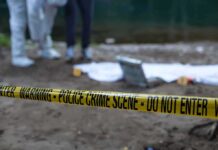
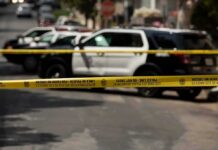
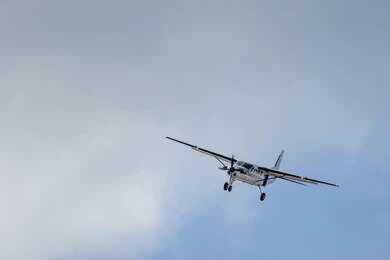
On Sunday, a plane carrying skydivers crashed shortly after takeoff from the Nancy-Essey airfield, near the town of Tomblaine in eastern France.[5] Local officials say all 11 people on board died, including the pilot, five skydiving students and five instructors.[1] The aircraft went down around late morning, plummeting into an open area close to homes, a shopping center and a bike path, but, by luck alone, no one on the ground was hurt.[1] For families and neighbors, the scene was sudden, violent and deeply shocking, another reminder that everyday life can be disrupted in a moment.
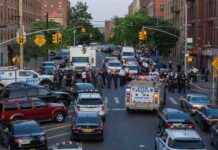
Regional prefect Yves Séguy described how the plane appeared to fall “almost vertically,” with no sign that the pilot was trying an emergency landing.[1] He said the aircraft crashed near residential areas and a commercial zone, stressing that the community narrowly avoided more deaths and injuries beyond those on board.[1] Police and national authorities rushed firefighters, medics and psychological support teams to the site, and warned residents to stay away so emergency vehicles and investigators could move freely.[1] For people already worried about safety and government competence, the images from Tomblaine look like yet another preventable disaster.
What officials say about the cause
Regional officials now blame the crash on a “malfunction” in the plane, but say they still do not know exactly what failed or why.[1] At a press briefing, Séguy said the plane fell straight down and repeated that “we do not know the cause of the accident” at this stage.[1] The French interior minister, Laurent Nuñez, said the Paris prosecutor’s office has opened a formal investigation to determine the cause, treating the event as a serious technical incident.[2] This follows standard aviation rules, where investigators first secure the scene and collect data before they name a probable cause.[10][11]
Despite this official language, families and neighbors have heard few concrete details. Reports do not mention any flight data recorder or cockpit voice recorder being recovered, and there is no public information yet on engine inspections or control system checks.[1][5] Local media say prosecutors have declined to answer follow-up questions for now.[5] That silence is common in early crash probes, but it sits badly with many citizens who already feel elites hide behind “ongoing investigation” to avoid hard truths and accountability. When people hear “malfunction” without proof, they wonder whose mistakes might be quietly covered.
Skydiving schools, risk, and regulation
The crashed airplane was a small Pilatus turboprop registered in Germany and operated by a parachuting school for tourist and training jumps.[1][2] Skydiving flights combine commercial gain with high-risk activity, yet they often operate under lighter rules than big airlines, even though they carry paying customers who trust the operator to keep them safe.[9] Past safety studies of parachute operations have found recurring issues with maintenance, pilot training and older aircraft, especially when business pressure pushes schools to fly many rotations per day.[9] Those patterns raise clear questions about how closely regulators watch operators like the one involved in Tomblaine.
In this case, eleven people boarded for what was supposed to be a routine jump: instructors guiding students through a bucket-list thrill.[1] Instead, they died within minutes, before anyone could leave the aircraft.[5] For many on both the right and the left, this speaks to a larger worry. Everyday people take big risks believing someone has checked the bolts, the engines and the company’s books. Yet when tragedy strikes, officials often say “no sign of negligence” long before full technical data is released, while companies and insurers prepare to fight over blame and money behind closed doors.[1] That gap feeds the sense that the system protects operators first and passengers last.
Investigation process and public trust
Aviation crash investigations typically move in three main phases: collecting data, analyzing it, and then presenting findings.[11] Specialists lock down the accident site, tag and remove wreckage, and seek any recorders that captured flight performance and cockpit sound.[10][11] They also interview witnesses, airfield staff and controllers, then cross-check stories against physical evidence.[10] That work can take many months, especially if authorities need outside experts. During that time, officials usually avoid strong public claims about cause, beyond broad terms like “malfunction,” because they fear prejudging the case or hurting future court actions.[10]
🚨 11 Killed In France Skydiving Plane Crash Near Nancy After Light Aircraft Plunges Into Open Area, Investigation Launched pic.twitter.com/QUT9JOzT4m
— Shield of Truth (@ShieldOfTruth_) June 29, 2026
That cautious process may make sense to investigators, but to a public already skeptical of institutions, it often feels like stonewalling. In Tomblaine, people saw a plane fall from a clear sky near their homes, heard sirens, read that 11 lives were lost, and now are told only that something undefined broke.[1][5] Social media users share witness comments and speculate about engine failures or pilot errors, while mainstream outlets repeat “cause unknown” and move on.[5] For citizens who think government mainly protects itself and powerful businesses, every unanswered question about this crash looks like one more sign that transparency and accountability still take a back seat to managing liability and public anger.
Sources:
[1] YouTube – Light aircraft crashes in eastern France, officials say eleven killed
[2] Web – Plane Crash Near Nancy Kills All 11 On Board in Eastern France
[5] Web – Skydiving plane crashes in eastern France, killing all 11 on board
[9] Web – The crash reportedly happened on an airstrip near the western coast …
[10] Web – Two killed as light aircraft crashes in north France
[11] Web – France: 11 killed in civilian plane crash – Yahoo News UK