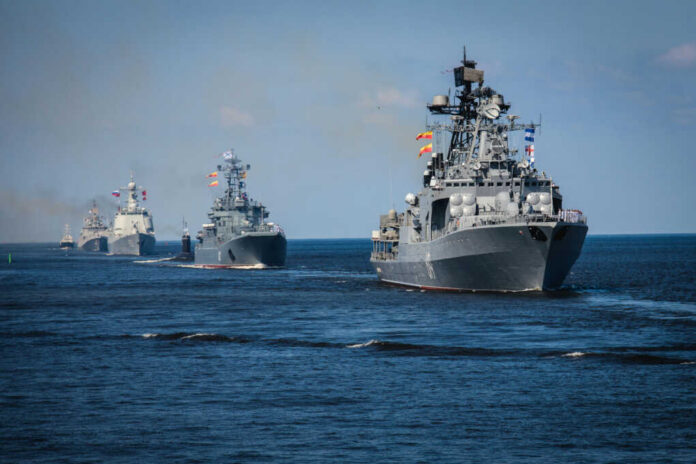
The Strait of Hormuz is still moving at a crawl, and that gap between a diplomatic headline and real ships on the water is the whole story.
Quick Take
- Trackers say commercial traffic through Hormuz stayed far below normal after the U.S.-Iran accord.[2][3]
- Kpler reported just four crossings on Tuesday and five on Monday.[2][3]
- Open questions remain about safe passage, fees, and security for shipowners.[2][5]
- Live tracking dashboards still describe the strait as near a standstill for outbound traffic.[1][3]
Traffic Stays Thin After the Deal
Shipping through the Strait of Hormuz did not rebound after the U.S. said it would reopen the waterway under its deal with Iran. Maritime trackers said the route stayed at a trickle two days after the announcement, with Kpler detecting just four crossings by raw-material vessels on Tuesday and five on Monday.[2][3] That is still far below the pace needed to call the channel normal.
Other live tracking tools point the same way. One dashboard described an “unprecedented operational standstill” for outbound commercial traffic and said there were zero verified outbound transits for five straight days.[1] Another tracker said the strait was closed after a brief reopening and remained near zero in daily ship movement.[3] Taken together, the data suggests a chokepoint that is politically open in name, but commercially frozen in practice.
Why Shipowners Are Still Hesitating
The central problem is not just countable traffic. It is uncertainty. Kpler said key questions remain unresolved, including transit security, navigation fees, and safe passage arrangements.[2] NBC News also reported that the maritime sector was still waiting for technical details from the United States and Iran, while Iran had said ships may need its authorization and could face a fee.[5] Until operators trust those rules, many will stay away.
That hesitation matters because Hormuz is not an ordinary route. It is one of the world’s most important energy corridors, and disruptions there can ripple into freight, insurance, and fuel prices. The International Monetary Fund (IMF) has already flagged the area as a trade-disruption event tied to attacks on commercial ships, which helps explain why even a ceasefire headline does not instantly restore normal sailing.[6] Shipowners price risk, not promises.
What the Numbers Mean for Trade and Politics
The wider economic effect goes beyond a few delayed tankers. A tracker cited in the reporting said daily transit levels remained around 2 to 10 vessels versus a pre-conflict average of 130 to 160, showing how far the waterway still is from normal throughput.[2] Another report said traffic was only a fraction of the average 140 daily passages before the war began.[9] That scale of drop can reshape shipping routes fast.
US–Iran Draft Deal Framework RevealedKey Highlights:Iran agrees not to develop or acquire nuclear weapons
Both sides agree to halt hostilities across the region, including in Lebanon
Iran guarantees free and safe commercial shipping through the Strait of Hormuz for 60 days
US to…— Jesse option (@AShmueil) June 16, 2026
The political fallout is just as important. Leaders on both sides can declare victory after an accord, but ship data can expose the difference between a signed deal and a working corridor. That tension is why Hormuz has become a test case for public trust in official statements. If traffic stays muted, critics will argue the promise of reopening was premature. If traffic rises, the deal gains real credibility on the water.
Sources:
[1] Web – Hormuz shipping muted despite Iran war accord: trackers
[2] Web – Strait of Hormuz Traffic | Live Vessel Tracking Dashboard
[3] Web – Will __ ships transit the Strait of Hormuz on any day by June 30?
[5] Web – Hormuz ship traffic stays limited as only 4 commercial vessels transit …
[6] Web – Tracking data shows vessel traffic through the Strait of Hormuz …
[9] Web – Hormuz Live Vessel Traffic & Crude Oil Prices – ShipFinder